
Highlights
- Europe is shortlisting four Brazilian critical mineral projects spanning rare earths, lithium, and nickel to diversify away from China, but the move addresses upstream mining while leaving midstream processing—where 85–90% of value concentrates—largely in Chinese control.
- The core supply chain gap remains unaddressed: China dominates rare earth separation, refining, permanent magnet production, and critical chemical inputs, meaning geological diversification without processing capacity is repositioning, not resilience.
- Europe's Critical Raw Materials Act signals a shift from policy to pipeline, but without controlling the missing middle—chemistry, separation, and manufacturing—the West risks creating a geographically reshuffled dependency rather than true supply chain security.
Europe is advancing a shortlist of Brazilian critical mineral projects—spanning rare earths, lithium, and nickel—to reduce dependence on China. The move is strategically meaningful, but materially incomplete. The core constraint—midstream processing and chemical inputs—remains largely unaddressed.
A New Supply Chain—or a Familiar Mirage?
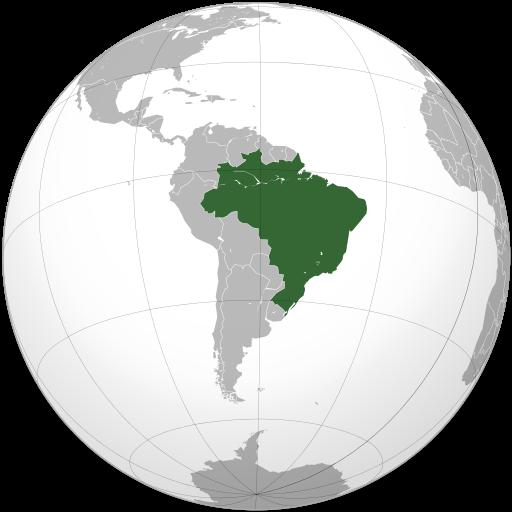
Europe is moving with urgency, as captured by the media (opens in a new tab) in the most populous South American nation. In plain terms, the EU is reviewing four Brazilian projects to secure inputs for electric vehicles, energy systems, and defense. The objective is clear—diversify away from China. Brazil, with its deep reserves and geopolitical alignment, is positioned as a cornerstone partner.
This is progress. But it is not yet controlled.
Geology Is Not Destiny
The underlying reporting is directionally correct: Brazil matters. It holds meaningful reserves across rare earths, nickel, and niobium, and offers scale that few jurisdictions can match. That is a real advantage.
But supply chains are not built on geology alone. They are built on processing.
China’s dominance persists where value concentrates:
- ~85–90%+ of rare earth separation and refining
- ~90%+ of permanent magnet production
- Significant control across key chemical and reagent inputs
- Lockdown of the talent and know-how
None of the highlighted projects, as currently described, closes this gap.
The Missing Middle—Where Value Lives
The article nods to processing partnerships. It does not fully grapple with the central issue: midstream control. Ore → Chemicals → Separation → Metals → Magnets
Europe is advancing on the left side of the chain. China still anchors the center.
So what’s absent in so much media today:
- Reliable reagent supply (e.g., sulfates, extractants)
- Industrial-scale separation capacity (years away in some cases)
- Downstream magnet manufacturing
The system remains structurally dependent.
What’s Not Being Said
Multiple narratives lean optimistic, suggesting that project selection translates into supply chain security. According to Rare Earth Exchanges’ point of view, it does not.
Key gaps include:
- Chemical dependency risk (largely invisible, but critical)
- Lack of separation know-how, scalable readiness
- Multi-year development timelines and permitting friction
- Capital intensity and execution risk across midstream buildout
- China’s ability to influence pricing during Western ramp phases
This is not inaccurate reporting. It is an incomplete framing.
Why This Moment Matters
What’s notable is not just the projects—it’s the shift from policy to pipeline. Europe is operationalizing diversification under the Critical Raw Materials Act.
But diversification without processing is repositioning, not resilience.
Bottom Line
This is a meaningful move. It signals intent and direction.
But without the middle—chemistry, separation, and manufacturing—it risks becoming a geographically reshuffled dependency.
A supply chain is only as strong as its weakest link. Today, that node is not mine.
Source: The Rio Times, April 22, 2026


0 Comments
No replies yet
Loading new replies...
Moderator
Join the full discussion at the Rare Earth Exchanges Forum →