
Highlights
- European Resources controls the Korsnäs REE project in Finland with an inferred resource of 15.4 million tonnes grading 1.0% TREO and ~22.7% NdPr distribution.
- Finland's stable mining jurisdiction and proximity to Neo Performance Materials' Estonian refinery strengthen the project's strategic appeal for European supply chain diversification.
- Independent metallurgical work from GTK Mintec, ANSTO, and Oulu University suggests recoverable monazite-apatite mineralization, but no feasibility study or economic assessment has been published.
- At roughly A$7.6 million market cap, ERE is a classic high-risk junior explorer—geology and location are compelling, but commercial viability remains unproven.
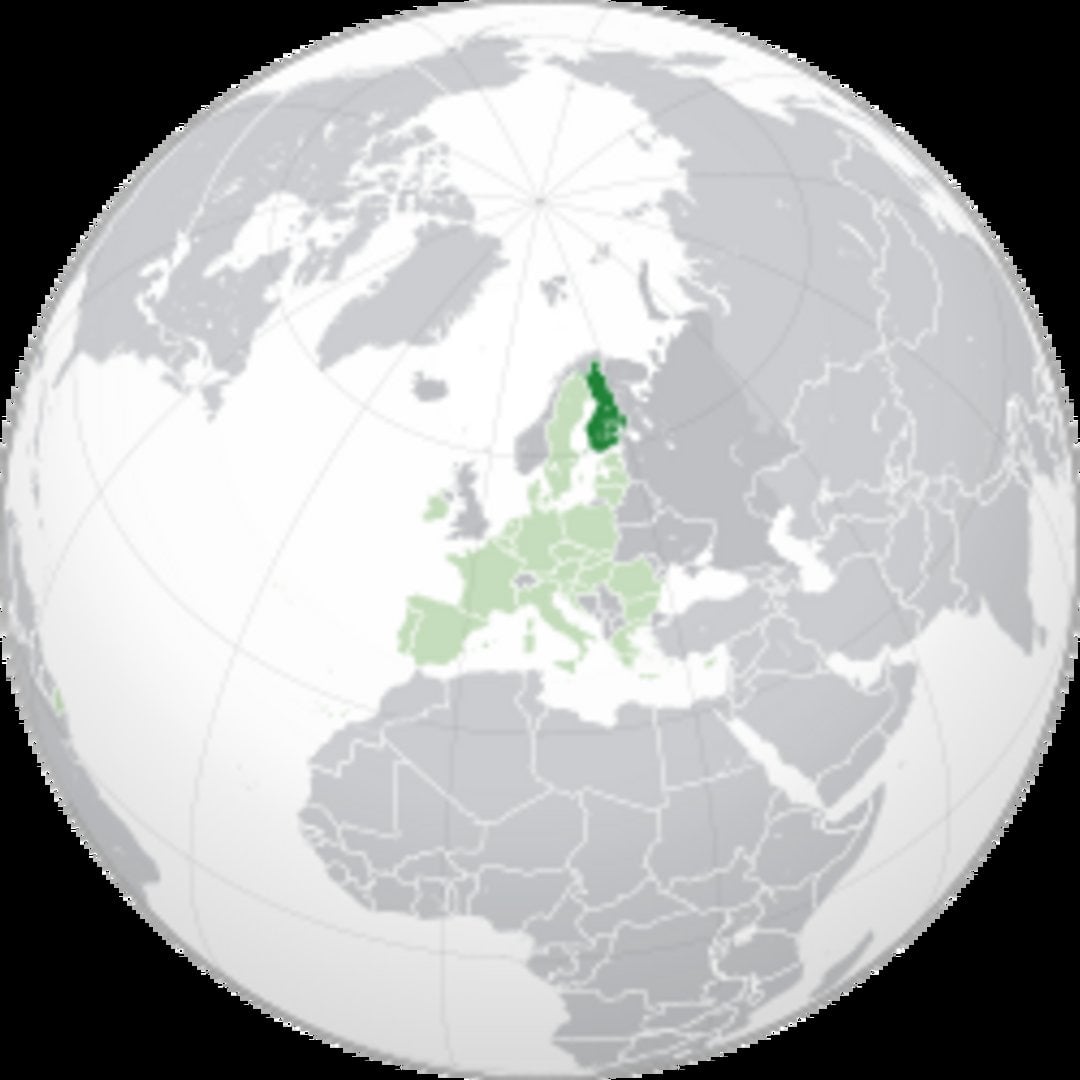
European Resources (opens in a new tab) (ASX: ERE) is making a bold claim (opens in a new tab): a forgotten Finnish lead mine may become one of Europe’s newest rare earth element (REE) resources. With a market capitalization of just A$7.6 million, the company controls the Korsnäs REE project in Finland and is advancing metallurgical studies while expanding exploration. The story is compelling, but investors should separate what is proven from what remains speculative.
A Sleeping Mine Awakens
Sometimes the most interesting discoveries are not new discoveries at all.
European Resources is revisiting the historic Korsnäs mine in Finland, where rare earths were largely overlooked during decades of lead production. The company reports an inferred resource of 15.4 million tonnes grading 1.0% TREO, with roughly 22.7% NdPr distribution, plus additional tailings and concentrate stockpile opportunities.
For Europe, desperately seeking alternatives to Chinese rare earth supply chains, that alone makes Korsnäs worth watching.
What Looks Real
Several aspects of the story stand on solid ground. Finland remains among the world's most attractive mining jurisdictions, offering infrastructure, permitting experience, technical talent, and proximity to downstream processing, including Neo Performance Materials’ Estonian refining operations.
The metallurgy also appears encouraging. Independent work involving GTK Mintec, ANSTO, Oulu University, and PT Geoservices suggests recoverable monazite-apatite mineralization and meaningful beneficiation improvements.
Importantly, the resource is not merely a conceptual exploration target. A formal inferred resource already exists.
The Parts Investors Should Treat Carefully
A presentation reviewed by Rare Earth Exchanges™ repeatedly highlights resource growth potential, a 7-kilometer strike length, additional exploration targets, and comparisons to large systems such as Halleck Creek in Wyoming.
Those are possibilities, not assets.
The company has not yet published a feasibility study, economic assessment, reserve estimate, or commercial development plan. Assertions that there are “no red flags” in metallurgy should be viewed as management opinion rather than proof of future economic success.
Why This Matters in the Rare Earth War
The real story is larger than European Resources. Europe needs rare earth mines. It needs separation. It needs magnet manufacturing. Most importantly, it needs scale. Korsnäs alone will not challenge China. But if Europe hopes to meet its Critical Raw Materials Act ambitions, dozens of projects like Korsnäs must move from drill core to commercial production.
At roughly A$5.4 million enterprise value, ERE represents a classic high-risk, high-upside junior explorer. The geology is increasingly interesting. The metallurgy is encouraging. The strategic location is undeniable.
Now comes the hard part: proving the economics.


0 Comments
No replies yet
Loading new replies...
Moderator
Join the full discussion at the Rare Earth Exchanges Forum →