
Highlights
- G7 aims to reduce dependence on any single critical minerals supplier to below 60% by 2030, with a 50% long-term goal
- China controls roughly 90% of rare earth separation capacity and up to 90% of NdFeB magnet manufacturing, making the G7 target a massive industrial undertaking
- The initiative spans strategic stockpiles, recycling, coordinated procurement, and IEA monitoring as critical minerals shift from trade policy to national security
- Analysts warn that achieving the target requires new separation plants, alloy production, skilled labor, permitting reform, and long-term financing commitments
- The emerging contest is no longer just about mine ownership but control of the full supply chain from chemistry and refining to magnets and geopolitical alliances
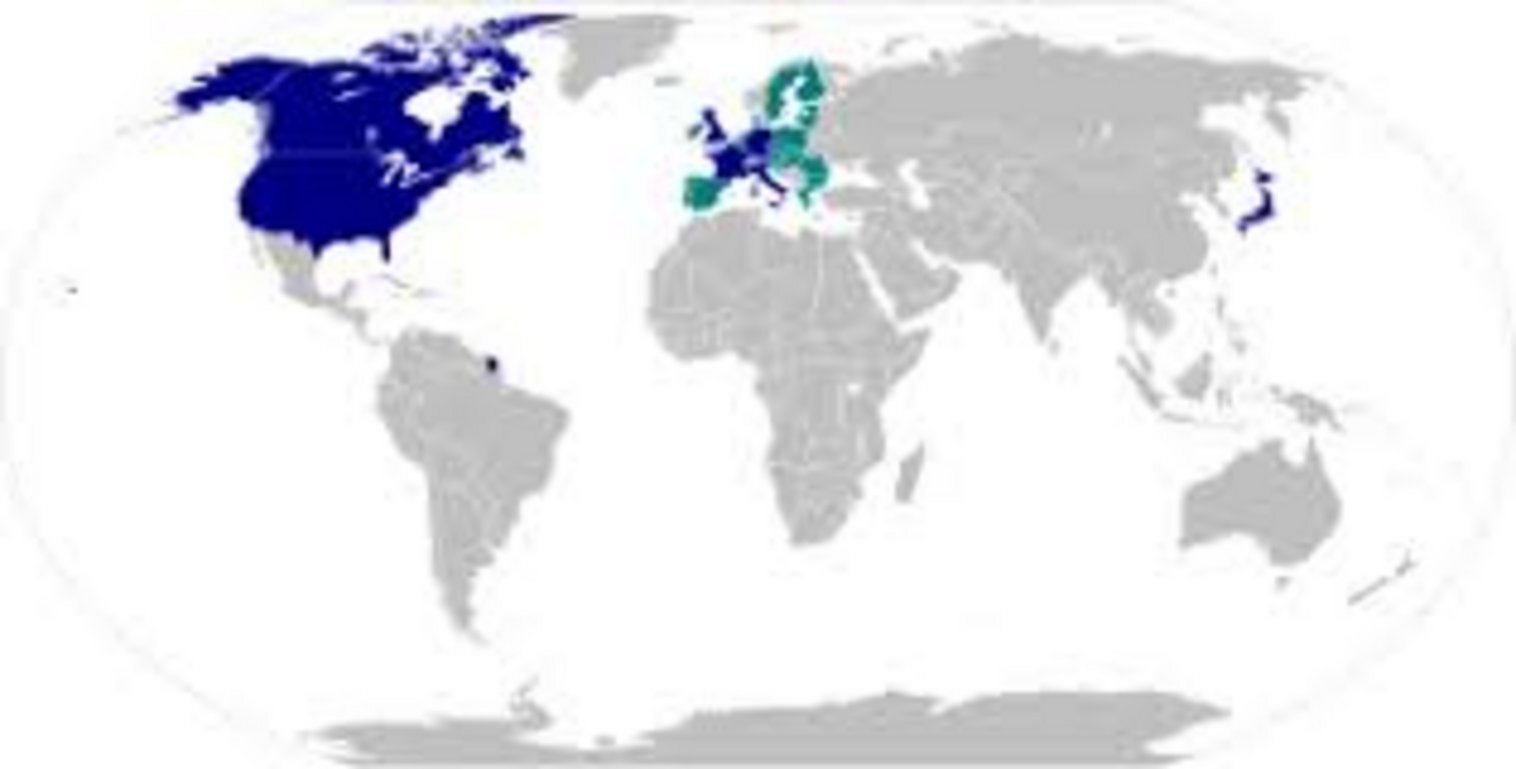
The G7 has unveiled an ambitious plan to reduce dependence on any single supplier of rare earth elements and permanent magnets to below 60% by 2030, with a longer-term objective of 50%. The initiative includes strategic stockpiles, recycling, coordinated procurement, investment support, and a larger role for the International Energy Agency (IEA) in monitoring supply disruptions. This is a response to China's overwhelming dominance in critical minerals processing and magnet production. Yet the deeper story is not the target itself. It is the accelerating arrival of Great Powers Era 2.0, where supply chains have become strategic assets and industrial capacity has become a form of national power. The challenge facing the G7 is not setting targets. It is rebuilding an industrial ecosystem that China spent three decades constructing.
The Export Controls Heard Around the World
Sometimes a policy announcement reveals more than a thousand speeches. China's restrictions on rare earth magnets and other strategic materials did exactly that. What had long been viewed as a commercial supply chain suddenly became visible as a geopolitical dependency. The G7's response—a coordinated framework spanning stockpiles, recycling, procurement mechanisms, market monitoring, and investment support—is the clearest acknowledgement yet that critical minerals have moved from the realm of trade policy into the realm of national security.
Great Powers Era 2.0 Takes Center Stage
For decades, globalization rewarded efficiency above all else. Ore came from one continent, refining from another, and manufacturing from a third. That model is breaking down. Indonesia forced nickel processing onshore. The European Union launched the Critical Raw Materials Act. Canada expanded its Critical Minerals Resilience and Production Alliance. The United States is subsidizing magnets, batteries, and defense supply chains. China uses export licensing and processing dominance as strategic tools. These are not isolated developments. They are manifestations of Great Powers Era 2.0—the transition from globally optimized supply chains to strategically secured supply chains.
The 60% Question
The G7's goal is politically significant. Its feasibility is another matter.
China currently controls approximately 90% of rare earth separation capacity and an estimated 85–90% of NdFeB magnet manufacturing. Reducing dependence below 60% is not simply a mining challenge. It requires new separation plants, metallization facilities, alloy production, magnet manufacturing, chemical infrastructure, skilled labor, financing, permitting reform, and long-term customer commitments.
Various media are amplifying the vision. Yet what is largely left unexplored is the scale of industrial reconstruction required to achieve it.
The REEx Perspective
There is a subtle but profound shift underway. The last era was defined by who could produce critical minerals most efficiently.
The next era may be defined by who can secure them most reliably, and capture more value in the supply chain.
Investors should look beyond the headline targets and focus on the real story: the emergence of stockpiles, buyers' clubs, coordinated procurement, strategic financing, and allied supply-chain networks.
The future contest is no longer simply about who owns the mine. It is about who controls the mine, the chemistry, the refinery, the magnet factory, the stockpile—and the geopolitical alliances connecting them.
That is the architecture of Great Powers Era 2.0. And unlike a 2030 target, it is already under construction.
Register today: REEx Marketplace™ (opens in a new tab)


0 Comments
No replies yet
Loading new replies...
Moderator
Join the full discussion at the Rare Earth Exchanges Forum →