
Highlights
- Great Powers Era 2.0, coined by Rare Earth Exchanges, describes a new strategic competition centered on rare earth supply chains, ports, railways, and industrial ecosystems rather than traditional military dominance alone.
- China has spent decades building integrated systems—railways, refineries, processing plants, and Belt and Road corridors—to control not just resources but their movement and commercialization.
- China's partial rare earth export licensing relaxation is widely expected to expire around November 10, 2026, creating urgency for Western manufacturers to qualify alternative suppliers and build inventory.
- The defining investment question has shifted from who owns the richest ore body to who can build and protect the full industrial ecosystem connecting mines, refineries, factories, and customers.
- Unverified claims that U.S. strikes targeted Chinese-financed transport corridors in Iran underscore how infrastructure has become a frontline asset in great-power competition.
History's great powers have rarely competed over resources alone. They competed over the systems that created wealth. Today those systems are no longer colonies or oil fields—they are rare earth and critical mineral supply chains, semiconductor fabs, ports, railways, shipping lanes, AI infrastructure, and industrial ecosystems. Several circulated geopolitical commentaries online claim recent U.S. military strikes in Iran extended to transportation infrastructure connected to Chinese-financed trade corridors. Those specific allegations remain unverified and should not be treated as established fact. Whether or not every tactical claim proves accurate, they point toward a much larger strategic reality. Great Powers Era 2.0 has begun, a term coined by Rare Earth Exchanges®.
The Battlefield Is Expanding
The next great-power confrontation may not begin with a declaration of war. It may begin with sanctions, export controls, investment restrictions, infrastructure attacks, shipping lanes, financial pressure, and supply-chain disruption.
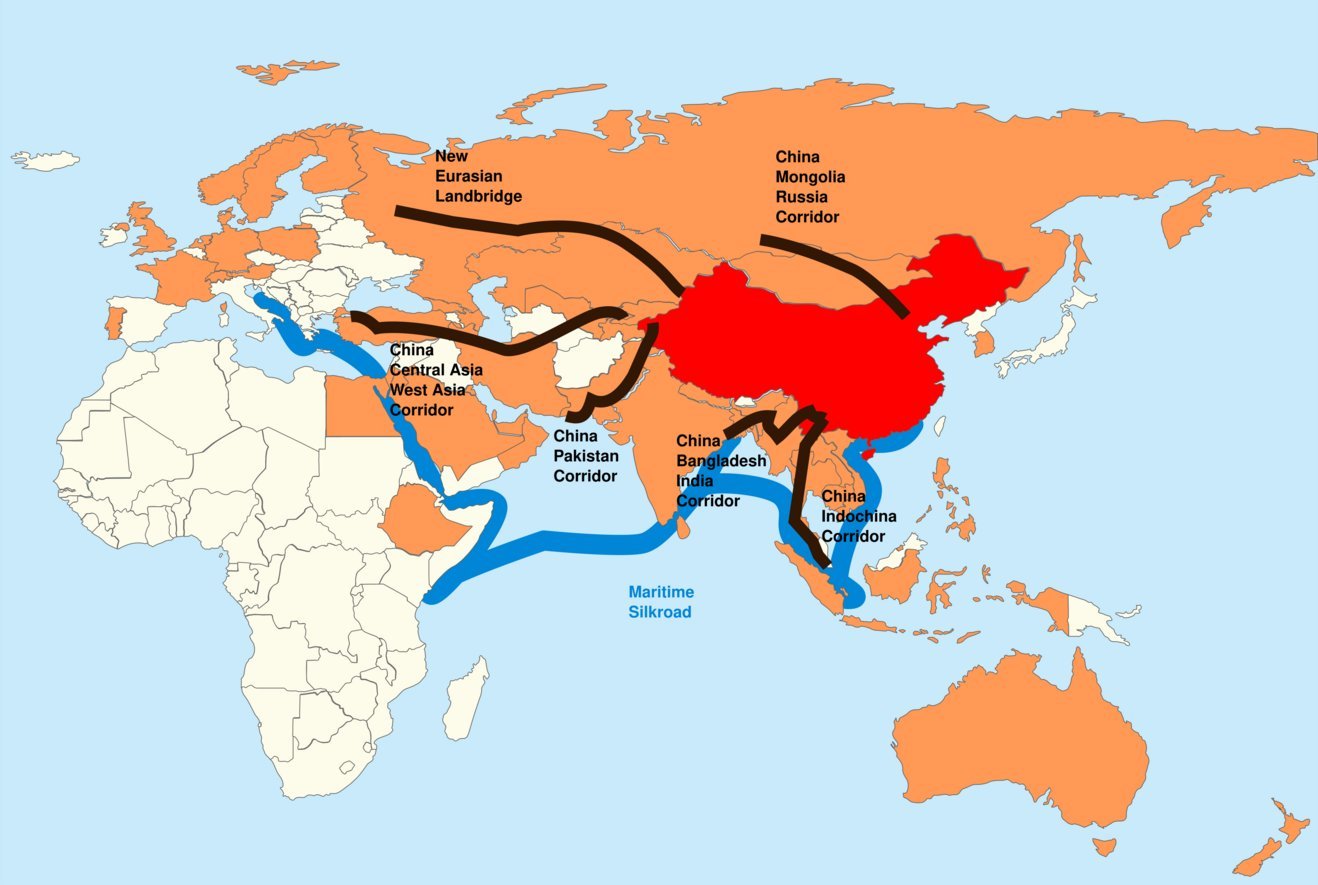
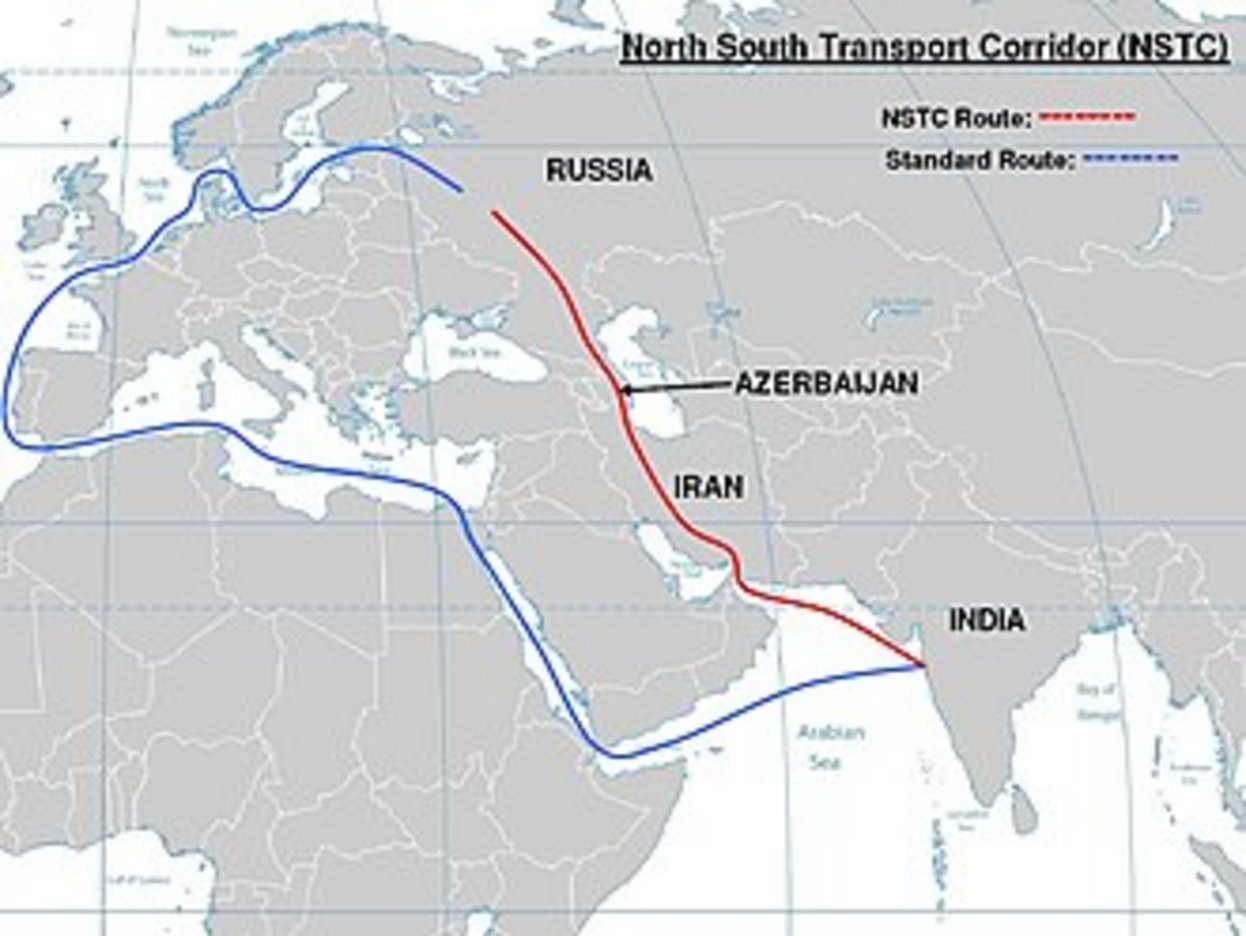
Critics of Washington argue online that recent U.S. operations targeted transportation corridors supporting China's Belt and Road Initiative (opens in a new tab), including rail links connecting Iran to Central Asia and western China, as well as infrastructure associated with the International North-South Transport Corridor (INSTC). (opens in a new tab)
Those assertions have not been independently verified, and publicly available evidence does not establish that U.S. strikes intentionally targeted Chinese-financed infrastructure. Based on a Rare Earth Exchanges assessment, these sources combine factual reporting with geopolitical interpretation. That distinction matters.
International North-South Transport Corridor
The Real Story Is Larger Than Iran
Regardless of whether these specific allegations are ultimately confirmed, the broader strategic trend is becoming increasingly difficult to ignore. Over the past decade, the United States has expanded sanctions, export controls, technology restrictions, investment screening, and selective military deployments to shape strategic supply chains. China has responded differently—not simply by building mines, but by building systems: railways, ports, refineries, universities, state-owned enterprises, processing plants, manufacturing clusters, and long-term resource partnerships stretching across Eurasia.
Britain once dominated sea lanes. America came to dominate global finance and military power.
China is attempting to dominate industrial ecosystems. That is the defining competition of the Great Powers Era 2.0.
Why Rare Earth Investors Should Care
Twenty years ago, investors valued ore bodies. Today, governments value processing and soon the manufacturing of permanent magnets and relevant assemblies and components. Tomorrow, markets will increasingly value integrated industrial ecosystems.
Rare earth supply chains no longer begin at the mine. They begin with infrastructure. Railways, ports, separation plants, power systems, logistics corridors, industrial parks, and permanent magnet factories have become strategic assets every bit as valuable as the minerals themselves.
China understands this. Its Belt and Road investments, overseas processing partnerships, and industrial financing are designed to secure not merely resources—but the movement, processing, and commercialization of those resources, as they have been for the past couple of decades. Meanwhile, the United States is increasingly recognizing that military superiority alone, along with deep capital markets, cannot guarantee industrial resilience.
November 10 May Matter More Than Tomorrow's Headlines
One date may quietly become one of the most important in the modern rare earth industry.
China's current partial relaxation of rare earth export licensing is widely understood to extend through November 10, 2026, after which future licensing policy remains uncertain. Western manufacturers are racing to qualify suppliers, build inventories, and expand ex-China processing before that window potentially narrows again.
If geopolitical tensions escalate while export restrictions tighten, infrastructure resilience—not spot prices—may become the market's defining variable. The first era of globalization rewarded efficiency. Yet the Great Powers Era 2.0 rewards resilience.
For Rare Earth Exchanges readers, the central investment question is no longer who owns the richest mine. It is who can build, finance, integrate, and ultimately protect the industrial ecosystem connecting mines, railways, ports, refineries, factories, and customers. That—not the next headline—is where the next chapter of strategic competition is likely to be written.
Register today: REEx Marketplace™ (opens in a new tab)


0 Comments
No replies yet
Loading new replies...
Moderator
Join the full discussion at the Rare Earth Exchanges Forum →