
Highlights
- India received 20 bids for a government-backed program targeting 6,000 metric tonnes of annual sintered NdFeB magnet capacity worth approximately US$763 million.
- Major bidders include Larsen & Toubro, Coal India, ReNew, Neo Performance Materials, and Proterial, signaling broad industrial interest.
- The scheme plans five beneficiaries each receiving up to 1,200 tpa of capacity, with a two-year construction window followed by five years of incentives.
- Announced capacity does not equal market-qualified output—India must still secure NdPr feedstock, master metal-to-magnet production, and qualify products with demanding customers.
- India is targeting the downstream steps where China's industrial advantage is strongest, making this more strategically significant than a typical mining announcement.
India is making a serious run at one of China's most valuable industrial strongholds: sintered NdFeB permanent magnets. Twenty companies have bid for a government program targeting 6,000 metric tonnes of annual integrated magnet capacity (opens in a new tab), backed by ₹72.8 billion—approximately US$763 million at current exchange rates. The response signals that capital and industry are lining up behind India's magnet ambitions. But investors should keep one distinction front and center: 20 bids are not 6,000 tonnes of magnets. The real test comes next—building the plants, securing competitive NdPr and heavy rare earth feedstock, mastering metal-to-magnet production, and qualifying those magnets with demanding automotive, defense, and industrial customers.
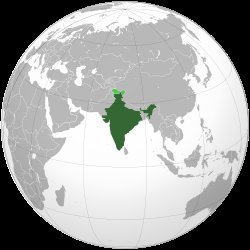
REEx Insight | India Is Building Where the Bottleneck Actually Lives
This is more significant than another rare-earth mine announcement. India is targeting the difficult downstream steps where China's industrial advantage is strongest: NdPr oxide through finished sintered magnets. The government plans five beneficiaries, each receiving up to 1,200 tpa of capacity. The surprise is the bidder list. Heavyweights including Larsen & Toubro, Coal India, and ReNew appear alongside established materials players such as Neo Performance Materials and Proterial.
Twenty Bids Are Not 6,000 Tonnes
Delhi calls the response "overwhelming," and commercially that is fair. Twenty bidders for five allocations demonstrates substantial interest. But investors should separate policy capacity from qualified tonnes. The scheme allows a two-year construction period followed by five years of incentives. Building plants is only Act One.
India must secure NdPr feedstock, master metal/alloy production, achieve repeatable magnet grades, and qualify products with automotive, industrial, and defense customers. Heavy rare earths such as dysprosium and terbium add another potential dependency.
That is the omission in the celebratory government framing: 6,000 tonnes of announced capacity does not equal 6,000 tonnes of market-qualified magnets.
Still, India has chosen the right battlefield. For investors, watch who wins—and who brings actual magnet-making expertise.
REEx Connect
- Ministry of Heavy Industries — REPM scheme administrator
- Neo Performance Materials — Bidder; rare-earth processing and magnets
- Proterial India — Bidder; advanced materials
- Larsen & Toubro — Bidder
- Coal India — Bidder


0 Comments
No replies yet
Loading new replies...
Moderator
Join the full discussion at the Rare Earth Exchanges Forum →