
Highlights
- India's IREL is seeking processed samples from Russia's Tomtor deposit to assess mineral composition, not to acquire the project outright.
- New Delhi approved ~$800 million in late 2025 to support domestic rare earth magnet manufacturing as part of broader supply-chain independence efforts.
- Major Indian industrial groups including Reliance, Vedanta, and Adani are evaluating rare earth processing opportunities inside India.
- Tomtor is one of the world's largest undeveloped rare earth-niobium deposits but has stalled for decades due to financing, infrastructure, and processing challenges.
- Rare earth deposits are plentiful globally; the true scarcity lies in separation plants, metallization facilities, and integrated magnet supply chains.
India is reportedly in confidential discussions with Russia's Rosneft (opens in a new tab) to obtain samples from the massive Tomtor rare earth project in Siberia, (opens in a new tab) one of the world's largest and highest-grade undeveloped rare earth-niobium deposits. The move aligns with New Delhi's broader effort to reduce dependence on Chinese rare earth supply chains and build domestic magnet manufacturing capacity. The headline may suggest a major mining deal. The reality is more measured. India is not acquiring Tomtor. It is evaluating samples. The bigger story is India's accelerating search for feedstocks, processing capability, and supply-chain security in an increasingly fragmented critical minerals world.
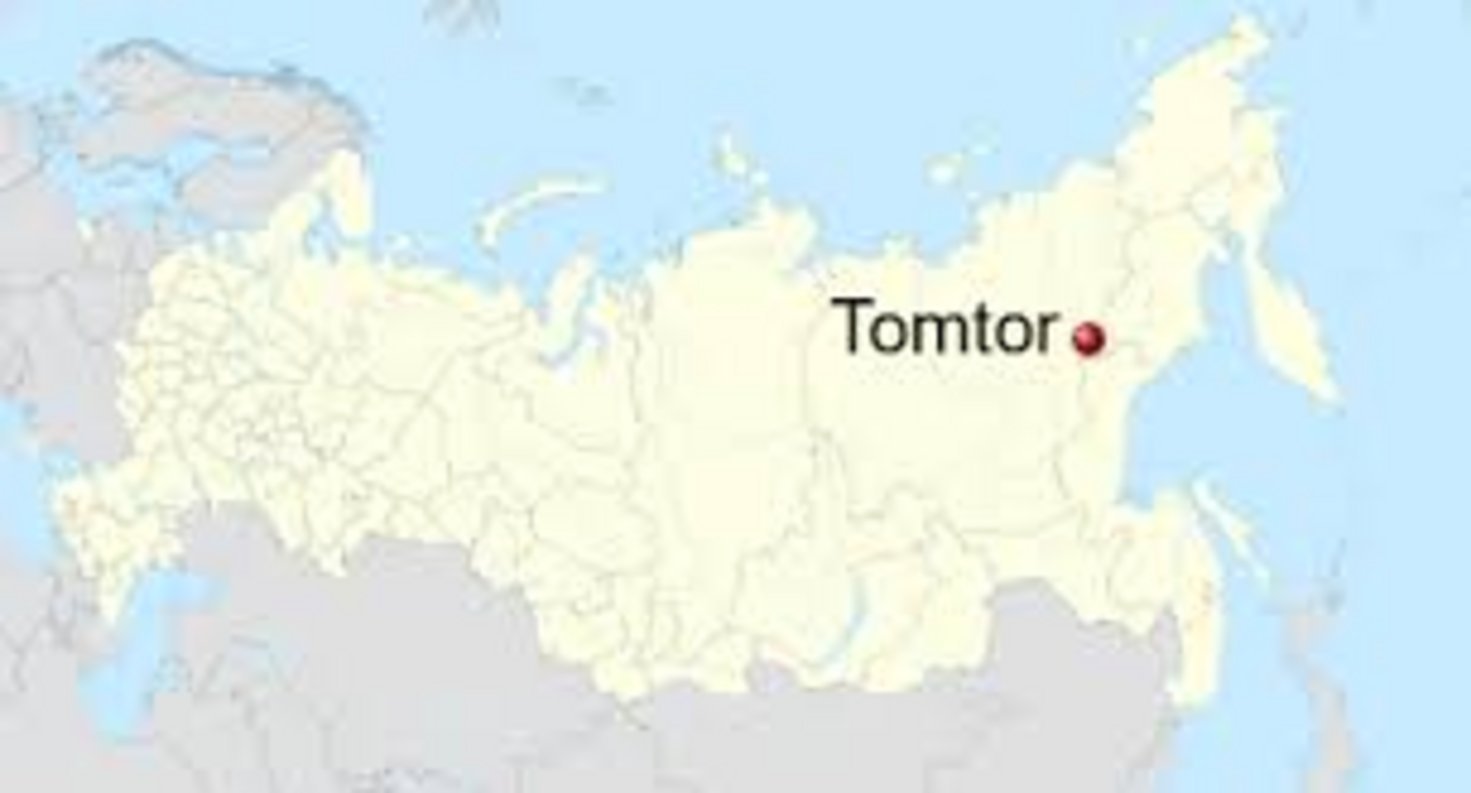
A Sleeping Giant in Siberia
Tomtor has occupied a near-mythical status in rare earth circles for decades. Located in Russia's Sakha Republic (Yakutia), (opens in a new tab) the deposit contains exceptionally high-grade rare earth and niobium mineralization and has long been viewed as one of the most strategically significant undeveloped rare earth projects globally. Despite its promise, development has repeatedly stalled due to financing, infrastructure, ownership, and processing challenges.
India's state-owned miner IREL (opens in a new tab) is seeking processed samples from Tomtor to assess mineral composition before considering deeper cooperation with Rosneft, which assumed control of the project as Moscow intensified efforts to develop domestic critical mineral assets. Reuters, the Moscow Times, and multiple other sources have verified. Industry publications and Russian government reporting have independently documented Tomtor's importance and long development history.
India's Rare Earth Clock Is Ticking
India's interest is not occurring in isolation. Although India possesses significant rare earth reserves, it remains heavily dependent on imported magnets and foreign processing capacity. And now we are in Great Powers Era 2.0.™ In late 2025, New Delhi approved approximately US$800 million to support domestic rare earth magnet manufacturing. Recent Reuters reporting also indicates that major industrial groups including Reliance, Vedanta, and Adani are evaluating rare earth processing opportunities inside India. The objective is increasingly clear: secure feedstocks today, build processing capacity tomorrow.
The Ore Is Not the Story
Much of the reporting focuses on the deposit itself. That misses the larger point.
Tomtor's existence has been known for decades. The challenge has never been finding the resource. The challenge has been transforming geology into commercially viable supply chains. Mining, separation, metallization, logistics, financing, permitting, sanctions risk, and downstream manufacturing all remain unresolved variables.
REEx Reality Check
What Checks Out
India is aggressively pursuing rare earth supply-chain security. Tomtor is a world-class resource. Russia is actively seeking partners and customers for strategic mineral development.
Where the Fog Begins
Sample testing does not equal investment. Investment does not equal production. Production does not equal a functioning magnet supply chain. The article correctly highlights India's interest but offers little evidence that Tomtor is materially closer to commercial production than it was several years ago.
Why Investors Should Care
The deeper lesson is one REEx readers know well: rare earth deposits are plentiful. Separation plants, metallization facilities, magnet factories, and integrated supply chains remain scarce. India appears to understand that reality. The question now, as we enter Great Powers Era 2.0, is whether it can build the industrial ecosystem needed to convert resource access into strategic independence.
Register today: REEx Marketplace™ (opens in a new tab)


0 Comments
No replies yet
Loading new replies...
Moderator
Join the full discussion at the Rare Earth Exchanges Forum →