
Highlights
- Odisha approved ₹76,612 crore in industrial investments, including two NdFeB permanent magnet facilities worth a combined ₹3,650 crore.
- Larsen & Toubro and N.A.N. Magnetech plan sintered magnet plants targeting EV and industrial applications, but feedstock sourcing remains unaddressed.
- India's rare earth separation, refining, and metallization infrastructure is still limited compared to China's integrated supply chain ecosystem.
- The magnet approvals signal downstream ambition but do not yet constitute a secure or operational rare earth supply chain.
- Strategic leverage in the critical minerals race lies in processing and magnet manufacturing—not mining alone—making these projects geopolitically significant.
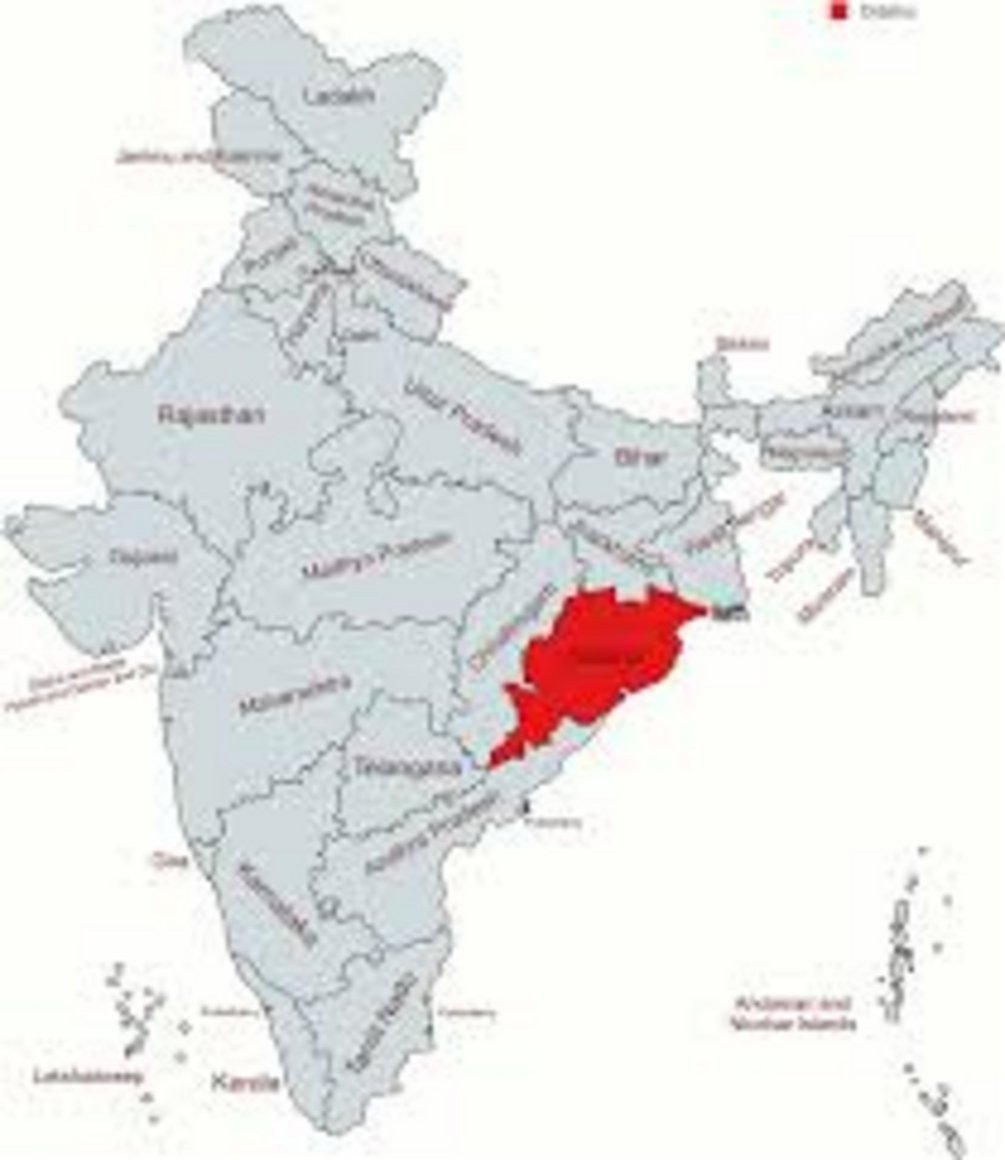
Odisha has approved ₹76,612 crore (approximately US$9 billion) in industrial investments spanning steel, renewable energy, manufacturing, and critical minerals. The most strategically significant announcements are two proposed NdFeB permanent magnet facilities from Larsen & Toubro (opens in a new tab) and N.A.N. Magnetech (opens in a new tab) worth a combined ₹3,650 crore. The projects signal India's determination to build downstream rare earth manufacturing capacity. However, investors should distinguish between project approvals and operational supply chains. The key unanswered question remains where the rare earth feedstocks will come from and whether India can develop sufficient separation, refining, metallization, and alloying capacity to support large-scale magnet production.
A Small Announcement with Big Geopolitical Implications
Sometimes the most important story is hidden in the middle of the press release.
Odisha's government approved 20 industrial projects worth more than ₹76,000 crore and promised over 50,000 jobs. Most headlines will focus on the steel mills, power plants, and solar factories.
But investors watching the critical minerals race should focus on something far smaller—and potentially far more important.
Two proposed rare earth magnet plants. In a world increasingly defined by supply-chain competition, magnets have become strategic infrastructure. They power electric vehicles, wind turbines, robotics, precision weapons, industrial automation systems, and next-generation data centers. The nation that controls magnets controls a critical choke point in modern manufacturing.
The Magnet Factories Are Real. The Supply Chain Is Not.
According to the announcement, Larsen & Toubro (opens in a new tab) plans a ₹2,400 crore sintered NdFeB magnet facility in Ganjam, while N.A.N. Magnetech (opens in a new tab) intends to invest ₹1,250 crore in an EV-grade magnet plant in Khordha or Cuttack.
Those are meaningful commitments. Yet the announcement omits the most important detail: feedstock.
NdFeB magnets require neodymium, praseodymium, dysprosium, and terbium—materials that today remain overwhelmingly processed through Chinese-controlled supply chains. While India possesses rare earth resources and has sought to expand domestic capabilities, its separation, refining, alloying, and metallization infrastructure remains limited relative to China's integrated ecosystem. A magnet factory announcement is not the same as a secure magnet supply chain.
Follow the Bottleneck, Not the Headline
Investors should also keep the scale of these projects in perspective. The overwhelming majority of Odisha's approved capital is directed toward steel, energy, ferroalloys, and conventional industrial development. Rare earth manufacturing remains a relatively small component of the overall investment package.
Yet strategically, the magnet projects may ultimately matter more than many of the larger announcements.
What makes this news notable is not that India has solved its rare earth challenge. It has not.
What matters is that India continues moving downstream. Like the United States, Europe, Japan, and South Korea, it increasingly recognizes that mining alone does not create supply-chain security. Processing, metallization, alloying, and magnet manufacturing are where strategic leverage resides.
The approvals in Odisha represent another step in that direction. The next question is whether India can secure the materials, technology, and industrial ecosystem needed to turn ambition into production.
The bottom line: This is a meaningful industrial policy signal—not yet a supply-chain breakthrough.
Source: Odisha High-Level Clearance Authority (HLCA), June 17, 2026.
Register for REEx Marketplace™: https://rareearthexchanges.com/marketplace/


0 Comments
No replies yet
Loading new replies...
Moderator
Join the full discussion at the Rare Earth Exchanges Forum →