
Highlights
- Andhra Pradesh hosts approximately 211 million metric tonnes of beach sand minerals including titanium, monazite, zircon, and garnet.
- Industrial giants Reliance, Vedanta, and Adani are reportedly evaluating investment in the state's critical minerals sector.
- India's challenge is not resource availability but building downstream separation, refining, alloying, and magnet manufacturing at scale.
- China's competitive advantage lies in processing expertise, not raw deposits—a gap India must close to achieve true mineral security.
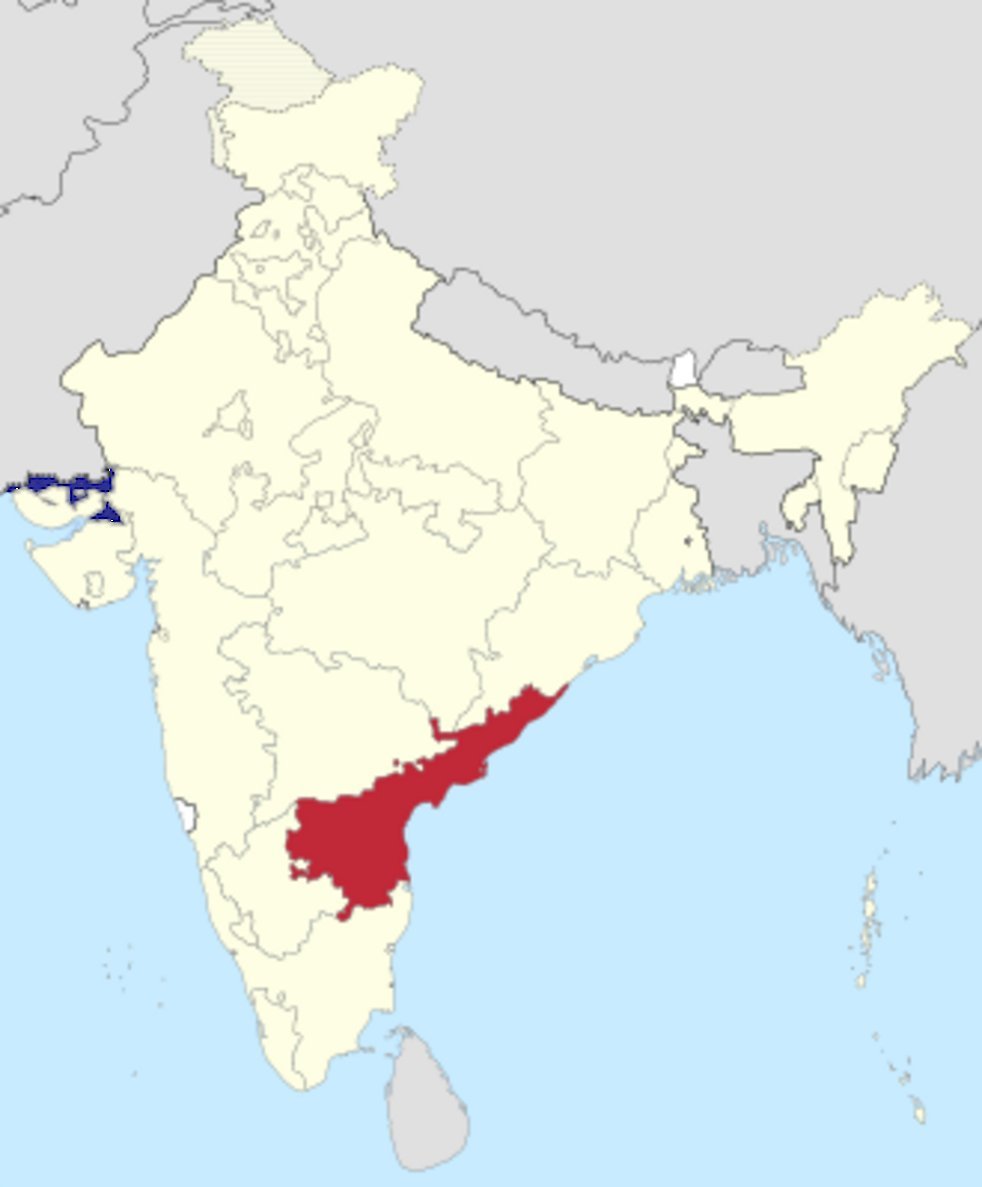
Indian media reports suggest Andhra Pradesh has emerged as the leading candidate for one of India's planned rare earth and critical mineral corridors. The state's extensive beach sand mineral deposits, deep-water port access, and growing interest from industrial giants including Reliance, Vedanta, and Adani position it as a potential centerpiece of India's effort to reduce dependence on Chinese critical mineral supply chains. The opportunity is real, but investors should distinguish between policy ambition and industrial execution.
Where the Sands Meet Strategy
Great powers rarely announce industrial revolutions. They build them one processing plant at a time.
India appears determined to do exactly that. According to local reporting, Andhra Pradesh is emerging as the frontrunner for a national rare earth and critical minerals corridor.
The state reportedly hosts approximately 211 million metric tonnes of beach sand mineral resources containing valuable titanium-bearing minerals, monazite, zircon, garnet, and other strategic materials. For a country seeking greater mineral security, geography matters. Andhra Pradesh possesses one of India's longest coastlines, multiple ports, established industrial infrastructure, and decades of mineral sands production.
More Than a Mining Story
Recent media in India highlight interest from major industrial groups including Reliance Industries, Vedanta, and Adani Group. If confirmed, this matters because India has historically struggled not with resource availability but with downstream processing capacity. The state's mineral sands industry already forms part of a broader coastal belt stretching through Andhra Pradesh, Odisha, Tamil Nadu, and Kerala. Historically, government-owned Indian Rare Earths Limited has dominated monazite processing, while private firms have focused on titanium and heavy mineral sands.
The real question is whether India can build separation, refining, alloying, and magnet manufacturing capacity at scale.
The Cast of Characters
Key players shaping India's critical minerals future include:
- Indian Rare Earths Limited — India's state-backed rare earth producer and processor.
- Reliance Industries — Reportedly evaluating investment opportunities.
- Vedanta Limited — Active across multiple critical mineral sectors.
- Adani Group — Expanding into strategic industrial supply chains.
- National Aluminum Company and Coal India Limited — Both increasingly involved in India's critical minerals strategy.
- KABIL — India's overseas critical mineral acquisition vehicle.
The REEx Take
Gulte.com accurately captures India's growing urgency around critical minerals (opens in a new tab). What it largely overlooks is that rare earth competitiveness is not created by mineral deposits alone. China's advantage lies downstream—in separation, refining, metals, alloys, magnets, and workforce expertise. Andhra Pradesh may become India's critical minerals hub. But the true measure of success will not be tonnes mined. It will be tonnes processed, refined, and converted into products India no longer needs to import.


0 Comments
No replies yet
Loading new replies...
Moderator
Join the full discussion at the Rare Earth Exchanges Forum →