
Highlights
- Indonesia transformed into a top nickel processor via export bans, yet manufacturing is only 19% of GDP and economic complexity rankings have declined.
- A joint report from INDEF, CORE Indonesia, GTI, and ESI calls for extending incentives into component manufacturing, not just smelting capacity.
- Component factories could generate 15,000–25,000 jobs compared to 3,000–5,000 from a single base-metal smelter, making manufacturing the higher-value target.
- Building globally competitive manufacturing requires decades of IP, engineering talent, and supplier ecosystems—government policy alone cannot decree industrial capability.
- The Indonesia case offers a universal lesson: mining secures resources, refining creates leverage, but manufacturing captures the greatest long-term economic value.
A new Joint Statement from Indonesia's Institute for Development of Economics and Finance (opens in a new tab) (INDEF), CORE Indonesia, (opens in a new tab) the Green Transition Initiative (opens in a new tab) (GTI), and the Energy Shift Institute (opens in a new tab) (ESI) argues that Indonesia has successfully built one of the world's largest mineral processing industries but has not yet translated that achievement into a broad-based manufacturing economy. Rather than expanding smelting capacity alone, the organizations call for policies that promote component manufacturing, technology transfer, domestic supply chains, workforce development, and higher environmental standards. Rare Earth Exchanges® finds the report both timely and strategically important. It correctly concludes that processing alone does not create industrial sovereignty, although it understates the geopolitical and technological barriers that make moving downstream far more difficult.
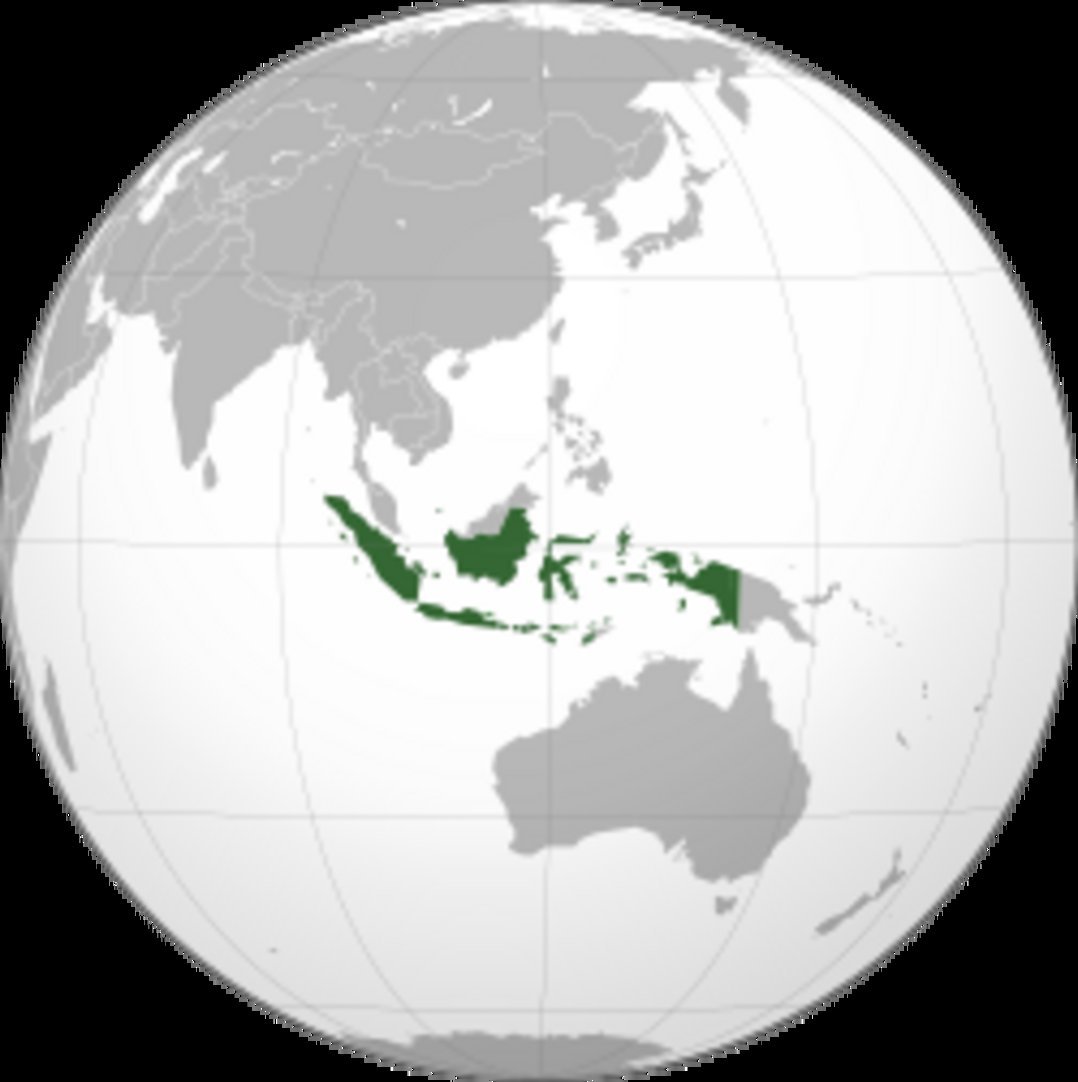
Indonesia Won the First Battle. The Second Is Harder.
Indonesia has rewritten the global nickel industry. Export bans and downstream investment transformed the country from a raw ore supplier into one of the world's largest nickel processors. Yet the report argues the country's industrial ecosystem remains relatively shallow. Manufacturing contributes only 19% of GDP, Indonesia's Economic Complexity ranking declined from 67th to 69th between 2012 and 2024, and roughly 80% of finished stainless steel used domestically is still imported, despite Indonesia's massive processing capacity.
Beyond Smelters Lies the Real Value
The report's central thesis is straightforward: value creation increasingly occurs after refining.
Its five recommendations include extending industrial incentives into manufacturing, integrating industrial parks with local suppliers, sequencing downstream industries according to technological readiness, requiring meaningful technology transfer and workforce development, and strengthening environmental and workplace standards. It also argues that investing similar capital into 30–50 component factories could generate 15,000–25,000 jobs, compared with 3,000–5,000 from a single base-metal smelter.
Rare Earth Exchanges Analysis
The diagnosis is largely sound—but the challenge is even greater than the report suggests.
Indonesia has demonstrated that government policy can rapidly build refining capacity. Building globally competitive component manufacturing, advanced alloys, battery materials, magnets, semiconductors, or precision industrial equipment is another matter entirely. Those industries depend on decades of accumulated intellectual property, engineering know-how, supplier ecosystems, specialized talent, and access to sophisticated end markets. Governments can encourage technology transfer; they cannot simply decree industrial capability into existence.
For investors, the broader lesson extends well beyond Indonesia. Every nation pursuing critical mineral independence—including the United States, Australia, Canada, and Europe—is confronting the same reality. Mining secures resources. Refining creates strategic leverage. But manufacturing captures the greatest economic value. Indonesia's next chapter will be judged less by how much nickel it smelts than by how much advanced industry it ultimately builds.
Register today: REEx Marketplace™ (opens in a new tab)


0 Comments
No replies yet
Loading new replies...
Moderator
Join the full discussion at the Rare Earth Exchanges Forum →