
Highlights
- Inner Mongolia's new regulations create a closed-loop system to move scientific research from labs into factories and strategic industries faster.
- Government-funded projects must register innovations in regional and national databases, while private innovations may participate voluntarily.
- The policy targets the heart of China's rare earth ecosystem, home to Baotou, Northern Rare Earth, and major processing and advanced materials facilities.
- The framework incentivizes participation by making achievement registration a prerequisite for science awards, technology transactions, and government research funding.
- China's institutional approach to commercialization—not just individual discoveries—represents a growing competitive advantage investors should monitor closely.
China's Inner Mongolia Autonomous Region has quietly launched a new mechanism designed to accelerate the commercialization of scientific research. New regulations governing the registration and management of scientific and technological achievements took effect on June 18, creating what officials describe as a full-cycle system for identifying, cataloging, evaluating, promoting, and commercializing innovation. While the announcement may appear bureaucratic, its objective is straightforward: move research out of laboratories and into factories, markets, and strategic industries faster.
For investors, this is another example of China strengthening the infrastructure that connects innovation directly to industrial production.
Building the Machinery of Innovation
The new framework establishes a closed-loop system covering the entire lifecycle of scientific achievements—from registration and evaluation to commercialization and market deployment.
Government-funded research projects must now register their results, while privately funded innovations may participate voluntarily. Qualified technologies will enter both a regional database and China's national science and technology achievements database.
The system is designed to match research outputs with manufacturers, investors, customers, and government support programs, reducing one of innovation's oldest challenges: the gap between invention and adoption.
The regulations also establish achievement registration as a prerequisite for certain science awards, technology transactions, and management of government-funded research—creating powerful incentives for participation.
Why Rare Earth Investors Should Care
The most important aspect of this announcement is not the database.
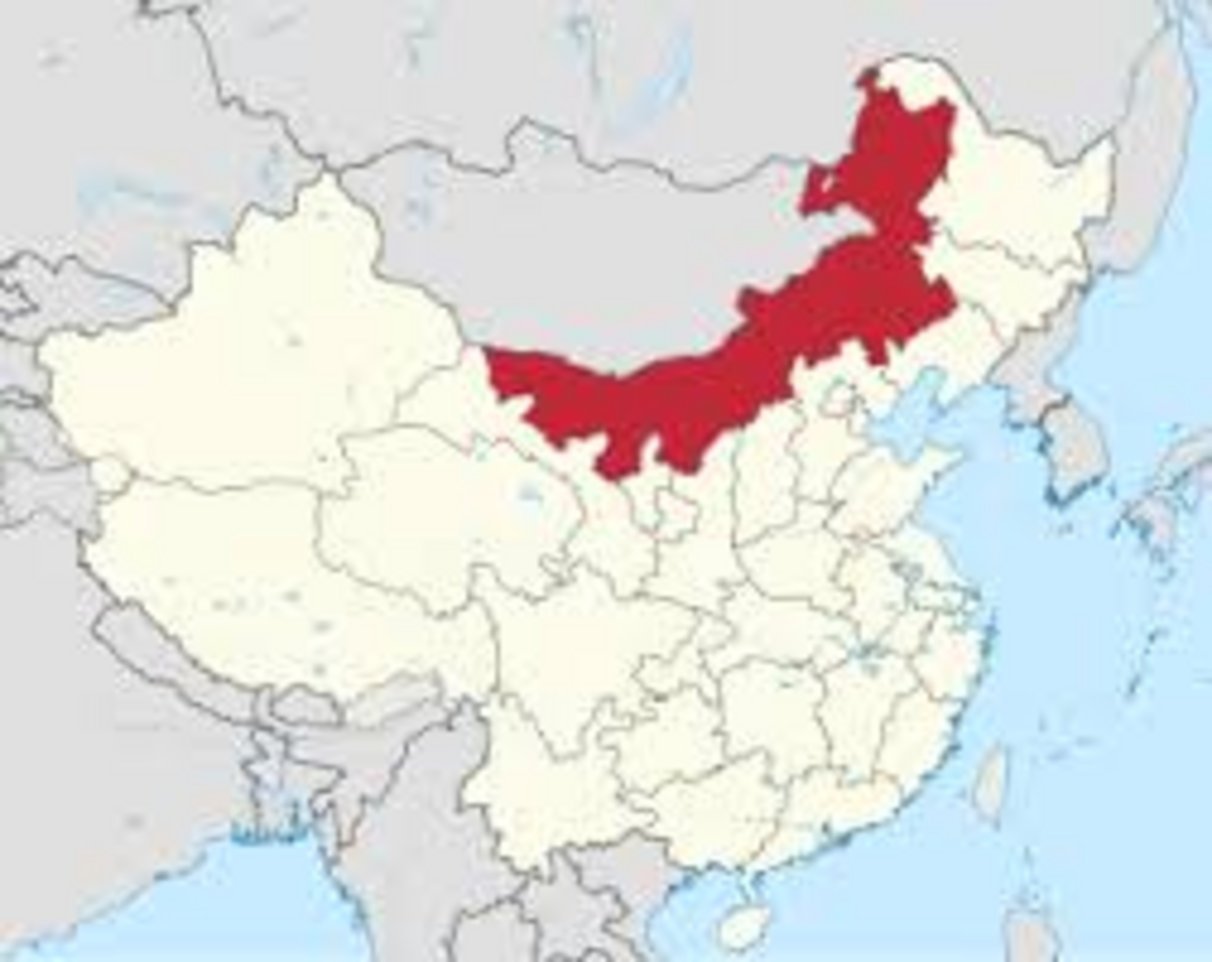
It is where this policy is being implemented. Inner Mongolia sits at the heart of China's rare earth ecosystem. The region hosts Baotou, Northern Rare Earth, major processing facilities, advanced materials producers, and a growing network of research institutions tied to critical minerals and advanced manufacturing.
A more efficient system for commercializing research could accelerate the deployment of new separation technologies, advanced rare earth materials, magnet innovations, recycling processes, and other industrial technologies that support China's strategic mineral supply chain.
Reading Between the Lines
This is not a scientific breakthrough. It is an institutional one. Western discussions often focus on individual technologies, discoveries, or patents. China increasingly focuses on building systems that systematically convert innovation into economic output and industrial capability.
The lesson for investors is subtle but important: competitive advantage is not created only in laboratories. It is also created by the institutions that move discoveries into commercial production.
China continues to invest heavily in both.
Source Disclaimer: This report is based on information released by the People's Government of the Inner Mongolia Autonomous Region, a Chinese government entity. The anticipated economic, technological, and commercialization benefits described should be independently evaluated. No performance metrics or evidence of economic impact were provided because the regulations have only recently taken effect. The announcement nevertheless provides insight into how China continues to strengthen the institutional foundations supporting industrial innovation and strategic industries.
Register today: REEx Marketplace™ (opens in a new tab)


0 Comments
No replies yet
Loading new replies...
Moderator
Join the full discussion at the Rare Earth Exchanges Forum →