
Highlights
- CNRI held its 2026 Office Directors' Working Conference on June 26, reviewing 2025 achievements and setting governance priorities for the year ahead.
- GRINM Rare Earth and other subsidiaries shared operational best practices, signaling tighter coordination across China's strategic materials research network.
- The meeting underscores China's push to strengthen policy execution within state-owned enterprises critical to rare earth and advanced materials industries.
- Western governments and companies monitoring China's critical minerals strategy should note the organizational resilience improvements signaled by this conference.
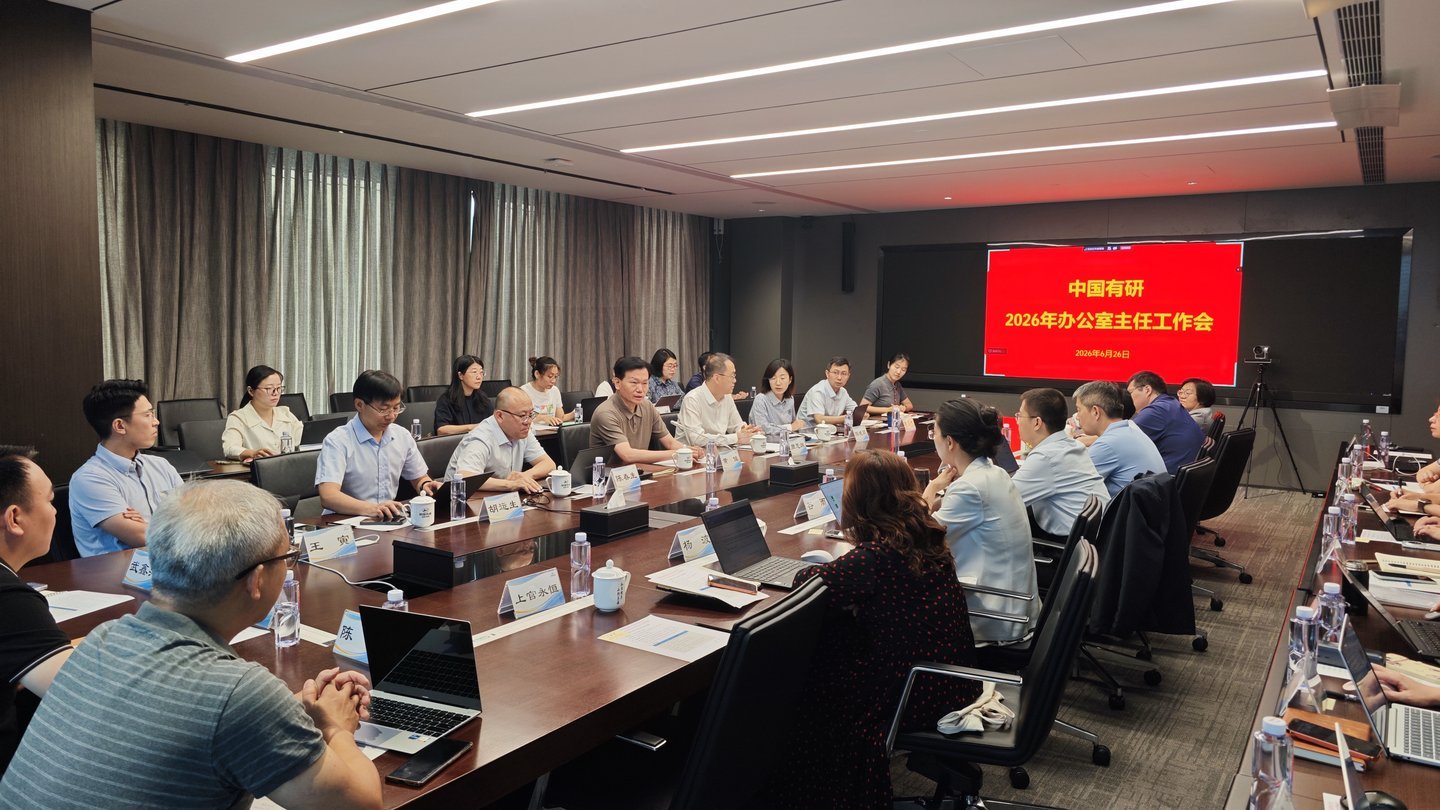
China National Research Institute of Nonferrous Metals (CNRI) convened its 2026 Office Directors' Working Conference on June 26, highlighting efforts to strengthen management, internal coordination, and policy execution across the state-owned research organization.
Building a More Disciplined State Enterprise
The conference reviewed operational achievements from 2025 while outlining priorities for 2026. Officials emphasized tighter implementation of central government directives, improved reporting of major matters, stronger oversight of performance-related compensation and business spending, and enhanced administrative training. Representatives from several CNRI subsidiaries, including GRINM Rare Earth, shared operational best practices.
Why It Matters
The meeting signals China's continued effort to improve governance and execution across strategic state-owned enterprises involved in advanced materials and rare earth research. Better internal coordination can strengthen long-term industrial planning, accelerate policy implementation, and improve organizational resilience—developments Western governments and companies monitoring China's critical minerals strategy should note.
China GRINM Group Corporation Limited
Established in 1952, China GRINM Group Corporation Limited (GRINM)—formerly the Beijing General Research Institute for Nonferrous Metals—is China's premier research and industrial development organization for nonferrous metals and advanced materials. Operating as a centrally administered state-owned enterprise under the State-owned Assets Supervision and Administration Commission (SASAC), GRINM serves as one of the country's principal institutions advancing strategic materials research, commercialization, and industrial policy.
Headquartered in Beijing, GRINM conducts research spanning rare earths, nonferrous metals, semiconductor materials, advanced alloys, energy materials, environmental technologies, structural materials, composites, and electronic functional materials. Beyond basic research, the organization integrates pilot-scale development, technology transfer, manufacturing, and commercialization through an extensive network of subsidiaries and industrial enterprises.
GRINM plays a significant role in supporting China's strategic priorities in critical minerals, semiconductor supply chains, clean energy technologies, aerospace, defense, and advanced manufacturing. Its operations include specialized subsidiaries producing semiconductor materials, rare earth technologies, high-purity metals, and other advanced materials essential to China's industrial modernization.
The organization has historically been led by prominent Chinese scientists and engineers and maintains close collaboration with universities, national laboratories, and industry partners. Through its combination of research capability, pilot production, and commercial manufacturing, GRINM remains one of China's most influential institutions shaping innovation across the nonferrous metals and advanced materials sectors.
Disclaimer: This report is based on information published by media associated with a Chinese state-owned entity. The information reflects official institutional messaging and should be independently verified before being relied upon for investment, commercial, or policy decisions.
Register today: REEx Marketplace™ (opens in a new tab)


0 Comments
No replies yet
Loading new replies...
Moderator
Join the full discussion at the Rare Earth Exchanges Forum →