
Highlights
- MP Materials and Ma'aden advanced their partnership into a binding term sheet for a Saudi rare earth refining and separation joint venture, with Ma'aden holding at least 51%.
- Saudi Arabia is positioning itself as a strategically neutral midstream processing hub rather than a fully integrated mine-to-magnet producer.
- Engineering firm Hatch brings strong hydrometallurgy credentials but lacks a long public track record of completed commercial rare earth separation plants.
- No final investment decision, EPC contract, confirmed refinery location, or long-term magnet offtake agreement has been publicly disclosed as of mid-2026.
- Ma'aden's leadership team brings world-class mining expertise but limited direct rare earth separation and magnet manufacturing experience, currently filled through strategic partners.
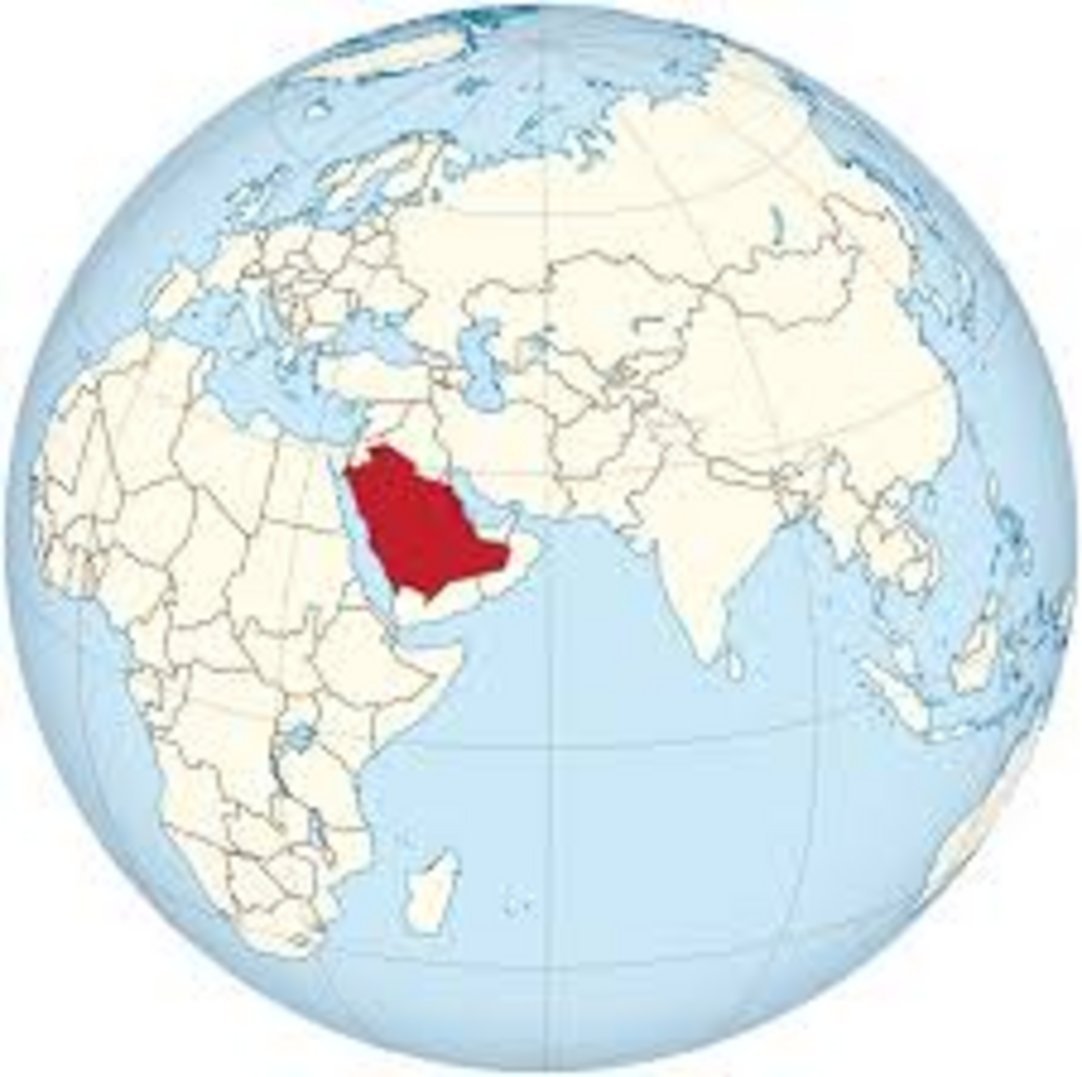
Just over a year ago, Saudi Arabia's rare earth ambitions looked like another geopolitical headline wrapped in Vision 2030 optimism. Today, the picture is clearer—and more credible. The Kingdom has moved beyond press releases, but not yet into construction. What is emerging is not the fully integrated "mine-to-magnet" powerhouse initially promoted during President Trump's May 2025 visit. Instead, Saudi Arabia appears to be positioning itself as a strategically neutral midstream processing and refining hub, leveraging abundant capital, generally low-cost energy, Western technology, and global feedstock to insert itself into one of the world's most concentrated supply chains.
From Memorandum to Meaningful Structure
The most consequential development came in November 2025, when MP Materials and Ma'aden advanced their earlier memorandum (opens in a new tab) into a binding term sheet for a Saudi rare earth refining and separation joint venture. Under the proposed structure, Ma'aden would own at least 51%, while MP Materials and the U.S. Department of War would jointly hold up to 49%, with MP providing the core rare earth processing expertise. While downstream magnet manufacturing remains an aspirational objective, the immediate focus has shifted to the far more achievable challenge of building commercial-scale separation and refining capacity. That evolution matters. It reflects a more realistic industrial strategy and represents Saudi Arabia's first tangible step toward becoming part of a Western-aligned rare earth midstream network rather than simply another aspiring mining jurisdiction.
The same month, Gracelin Baskaran of the Center for Strategic and International Studies (CSIS) argued that the emerging U.S.-Saudi partnership represented a strategic evolution from the historic "oil-for-security" relationship (opens in a new tab) toward a critical minerals-for-security alliance. Her thesis is compelling: Saudi Arabia's reported rare earth and uranium resources, abundant low-cost energy, improving regulatory environment, and partnership with MP Materials position the Kingdom to become an important non-Chinese refining hub.
We agree with the strategic direction but remain more cautious on the timeline. The analysis necessarily emphasizes geopolitical intent and comparative advantages, while the commercial reality still hinges on engineering execution, process chemistry, technology transfer, workforce development, feedstock security, customer qualification, and ultimately the ability to produce separated oxides, metals, alloys, and magnets at globally competitive cost and quality. Saudi Arabia appears to be taking the right long-term steps to build those capabilities, but building a globally competitive rare earth ecosystem remains a multi-year industrial undertaking—not an accomplished fact. For investors monitoring this space, execution risk remains the defining variable.
Building Capability Before Building Plants
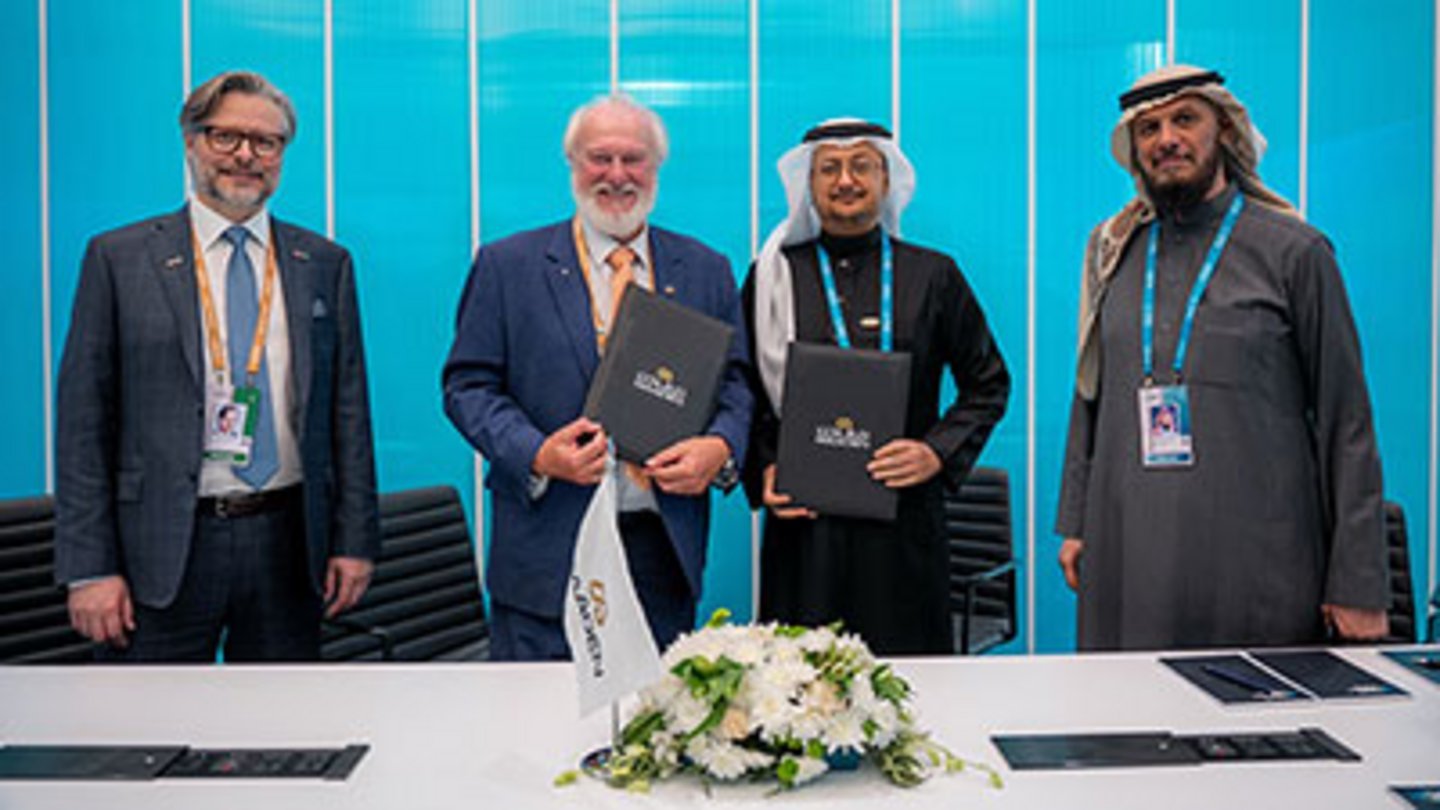
The Kingdom also continues to invest in institutional capability. During the past year, the Public Investment Fund announced (opens in a new tab) plans to spin off Manara Minerals (opens in a new tab) into a more technically capable mining company rather than a passive investment vehicle. By February of this year, Ma'aden selected engineering giant Hatch (opens in a new tab) to standardize project execution across its growth portfolio, while senior executives repeatedly emphasized exploration, technical talent, and building a global mining champion. Taken together, these developments suggest Saudi Arabia recognizes that expertise—not capital—is the scarcest resource in critical minerals.
Hatch and Ma’aden Ink Deal
Source: Hatch
The Engineers
Importantly, Canadian engineering giant Hatch (opens in a new tab) has been engaged to work across a portfolio of programs. What about rare earth midstream? Public evidence shows Hatch is a credible hydrometallurgy and solvent-extraction engineer (opens in a new tab) with one clearly documented major REE role at Arafura’s Nolans NdPr project (opens in a new tab), but we found limited hard evidence that it has already delivered a commercial rare-earth separation, metallization, alloying, or magnet plant.
Hatch looks strong on the engineering side, not yet proven publicly on a long list of completed REE operating assets. Its own materials (opens in a new tab) show real depth in solvent extraction and pressure hydrometallurgy: in-house SX test work, mixer-settler sizing, circuit optimization, fire-risk design, and a dedicated High Pressure Metallurgy group of more than 60 specialists that spans pilot and demonstration work through detailed engineering, construction, commissioning, and ramp-up. That is highly relevant to rare earth separation flowsheets, especially where acid leach, purification, SX, and product-finishing circuits must be integrated tightly.
The clearest public REE credential is Arafura’s Nolans project (an important one ranked high on the REEx Insights light rare earth element mine rankings). Arafura names Hatch as lead engineer for the DFS, covering metallurgical processing and process design, process plant, infrastructure, and capex/opex. The Nolans flowsheet includes a hydromet extraction plant producing rare-earth chloride liquor and a solvent-extraction separation plant splitting SEG/HRE and NdPr.
Hatch, according to a company disclosure, remained engaged to support development after Arafura’s 2026 FID. Yet we could not find strong public evidence of Hatch-delivered commercial REE metallization/alloying or magnet plants, nor clear public partnerships with MP, Lynas, Neo, or Shenghe.
Bottom line: Hatch is most certainly a credible delivery partner for Ma’aden’s midstream REE ambitions, but Saudi Arabia will still need technology-owner and operating know-how if it wants to move beyond oxide into metals and magnets. MP Materials’ involvement will help with that process, and undoubtedly the company is working on developing an optimized approach.
Not A Lot of Updates
Equally important is what remains absent. Despite extensive review of Saudi, international, and company sources through July 5, 2026, there have yet to be any publicly disclosed final investment decisions, major Engineering, Procurement, and Construction (EPC) contracts, confirmed refinery location, construction start date, processing capacity, technology license, or long-term magnet offtake agreement specific to the rare earth venture. Nor have Ma'aden's recent earnings releases (opens in a new tab), just released in May 2026, identified major milestones for the project. The initiative has advanced beyond diplomatic theater—but it has not yet reached irreversible industrial execution.
Rare Earth Exchanges® has reached out to Ma’aden corporate communications to engage and hopefully invite a company representative on the REEx podcast to discuss updates.
War Raised Risk—Not the White Flag
The U.S.-Israel war against Iran introduced fresh uncertainty across the Gulf. Energy markets were disrupted, shipping through the Strait of Hormuz became a strategic concern, and press reports described temporary friction between Washington and Riyadh over regional security. Yet we found no credible evidence that the rare earth partnership is at any risk, frozen, or materially downgraded. If anything, the conflict reinforced why diversified critical mineral supply chains matter. The project's challenge is no longer political commitment; it is engineering, financing, execution, and time.
Leadership: Industrial Heavy Hitters, But Not Yet Rare Earth Veterans
One of Ma'aden's greatest strengths is its leadership team. CEO Bob Wilt brings more than three decades of global industrial leadership, including nearly twenty years at Alcoa, where he ultimately led the company's worldwide upstream business encompassing mining, alumina refining, aluminum smelting, and energy operations. He is joined by Jim North, Executive Vice President of Gold & Growth Metals, whose career spans senior leadership positions at BHP, Rio Tinto, Ferrexpo, and international mining investment advisory work. Chief Financial Officer Gilberto Antoniazzi adds direct battery-materials experience after serving as CFO of Arcadium Lithium, where he helped integrate Livent and Allkem before Rio Tinto's $6.7 billion acquisition. Meanwhile, Dr. Darryl Clark, Executive Vice President of Exploration & Resource Development, contributes more than three decades of international exploration leadership across uranium, copper, gold, coal, and critical minerals, including senior executive roles with Vale, BHP, IsoEnergy, and Kazakh mining ventures.
The broader executive bench is equally impressive. Abdulrahman As-Sadlan oversees project development and engineering after leadership roles at both Ma'aden and SABIC. Donovan Waller, Chief Technology Officer, brings extensive experience in industrial technology development and large-scale engineering innovation. Mohammed Marwahi, Chief Strategy & Corporate Affairs Officer, has spent much of his career leading operations and transformation within Ma'aden's phosphate business, while procurement, sustainability, governance, legal, audit, and human capital functions are led by executives recruited from organizations including Aramco, SABIC, HSBC, BNP Paribas, Saudi Awwal Bank, EY, Clifford Chance, Allen & Overy, and Unilever.
Collectively, the leadership team reflects a deliberate strategy of importing global mining, finance, engineering, and governance expertise to accelerate Ma'aden's transformation into a diversified international mining company.
Yet one important caveat remains. This is an elite mining leadership team—not yet an elite rare earth leadership team. But this should not be a surprise, given that there is very little true rare earth refining expertise outside of China.
Key for the joint venture is to source, qualify, and employ direct operating experience managing commercial rare earth separation plants, solvent extraction circuits, rare earth metallization, alloy production, oxide qualification, or permanent magnet manufacturing.
REEx suggests this gap may help explain Ma'aden's reliance on MP Materials for rare earth process expertise and Hatch for hydrometallurgical engineering and project execution. In effect, Saudi Arabia is assembling its rare earth capability through partnership rather than legacy experience. That is a rational strategy—but investors should recognize that success will ultimately depend on how quickly foreign technical expertise becomes institutional capability inside the Kingdom. Until Ma'aden demonstrates commercial rare earth operations at scale, its leadership should be viewed as possessing high vocational certainty in global mining and project execution, but developing vocational certainty in the specialized disciplines that define the modern rare earth industry. And this should not be a surprise.
Rare Earth Exchanges Take: Saudi Arabia Is Building an Industrial Platform—Not Yet a Rare Earth Industry
Saudi Arabia's rare earth strategy seems to be maturing from geopolitical aspiration into a credible industrial plan. Based on this REEx review, the Kingdom has quietly shifted from an ambitious "mine-to-magnet" narrative toward the far more realistic goal of becoming a globally trusted midstream refining and separation hub. That sequencing reflects a sophisticated understanding of the industry: every successful rare earth supply chain begins with mastering separation chemistry before advancing into metals, alloys, and permanent magnets. Backed by the Public Investment Fund, Manara Minerals, an experienced Ma'aden leadership team, Hatch's engineering expertise, and MP Materials' rare earth operating knowledge, Saudi Arabia is assembling many of the ingredients needed to compete over the long term.
Investors monitoring the rare earth element supply chain space, however, should separate strategy from execution. Saudi Arabia has yet to announce a final investment decision, EPC contract, refinery location, processing capacity, construction schedule, long-term feedstock strategy, or anchor magnet customer. Although, of course, behind closed doors more than likely the deals are unfolding.
Moreover, while Ma'aden's leadership possesses world-class mining and industrial experience, direct expertise in commercial rare earth separation, metallization, alloy production, and permanent magnet manufacturing remains limited and is currently being imported through strategic partners.
China still commands the industry's deepest technical capabilities and integrated supply chain. Twelve months ago, REEx viewed Saudi Arabia's ambitions as largely aspirational. Today, they appear to represent the early architecture of a serious industrial strategy. Whether that vision ultimately becomes a globally competitive rare earth platform will be determined not by announcements, but by execution—one separation circuit, one qualified oxide, and ultimately one commercial magnet at a time.
Register today: REEx Marketplace™ (opens in a new tab)


0 Comments
No replies yet
Loading new replies...
Moderator
Join the full discussion at the Rare Earth Exchanges Forum →