
Highlights
- Jiangxi Province is developing Fuzhou City as a hub for high-end magnetic materials and power electronics, with Jingci New Energy introducing magnetic integration products for energy storage, EVs, and charging infrastructure.
- China demonstrates rapid industrial coordination by achieving first-phase production in four months, with tight alignment between local governments, universities, manufacturers, and investors around downstream scaling.
- The strategic shift extends beyond rare earth mining into embedding magnetic materials deeper into power electronics, charging systems, and AI-era infrastructure—sectors critical to next-generation manufacturing growth.
Jiangxi Province is positioning Fuzhou City as an emerging hub for high-end magnetic materials and downstream power electronics. At a May 9 industry conference in Nanchang attended by more than 120 representatives from government, universities, research institutes, investors, and industry groups, Jiangxi Jingci New Energy (opens in a new tab) introduced a new generation of “magnetic integration” products targeting energy storage systems, vehicle electronics, and EV charging infrastructure.
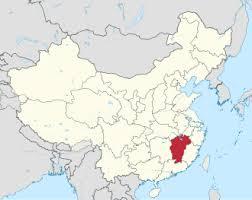
The event itself matters less than what it represents: China continues moving deeper downstream into advanced magnetic materials, power electronics, and integrated industrial ecosystems tied to electrification and AI-era infrastructure.
Why Magnetic Integration Matters
“Magnetic integration” may sound obscure, but the underlying commercial goal is straightforward: make power electronics smaller, faster, cooler, cheaper, and more energy efficient. Magnetic components play a critical role in controlling and converting electrical power inside EVs, batteries, charging systems, solar infrastructure, energy storage systems, and increasingly data centers and AI computing infrastructure.
Jingci claims its products address several persistent engineering bottlenecks, including high-frequency operation, excessive energy loss, and oversized components—important challenges as electrification systems become denser and more power-intensive.
The Real Story Is Industrial Coordination
According to the article, Jingci signed its Le’an County investment agreement in July 2023 and reportedly achieved first-phase production in just over four months. The company also claims nearly 80 authorized patents, university partnerships with Harbin Institute of Technology and Central South University, and projected 2026 revenue exceeding RMB 600 million.
If accurate, the key takeaway is not a single breakthrough technology.
It is organizational speed.
China continues to build tightly coordinated regional ecosystems in which local governments, universities, manufacturers, investors, and suppliers align around downstream industrial scaling.
Why the West Should Pay Attention
This is not traditional rare earth mining news. It is downstream industrial ecosystem news.
China is steadily expanding its expertise in magnetic materials into power electronics, charging infrastructure, energy storage, computing systems, and industrial electrification—the very sectors likely to dominate next-generation manufacturing growth.
For the United States and Europe, the strategic warning is increasingly clear: China is not merely defending its position in rare earths. It is embedding magnetic materials deeper into the architecture of future industrial systems.
Disclaimer: This report originates from Chinese state-linked/Xinhua-affiliated media and should be independently verified before investors treat the claims as confirmed commercial or technological performance.


0 Comments
No replies yet
Loading new replies...
Moderator
Join the full discussion at the Rare Earth Exchanges Forum →