
Highlights
- Kyrgyzstan has identified approximately 20 rare earth and critical mineral deposits, with Kutessay II as the only site with significant historical production dating to the Soviet era.
- No modern JORC or NI 43-101 resource estimates, bankable feasibility studies, or major financing packages exist for Kyrgyz rare earth projects, leaving the business case largely unproven.
- China, Russia, and Western nations are all watching Kyrgyzstan's critical mineral sector, but no major foreign-backed rare earth development project has yet been committed.
- Control of downstream processing and separation facilities—not deposit ownership—will determine who captures strategic value from Kyrgyzstan's mineral potential.
- Kyrgyzstan remains a promising frontier jurisdiction rather than an established rare earth producer until processing, financing, and feasibility hurdles are resolved.
Kyrgyzstan says it plans to begin developing rare earth elements by 2035, part of a broader strategy to unlock more than 20 identified rare earth and critical mineral deposits. The geology appears real. The government is actively seeking foreign investment. Yet investors should separate resource potential from commercial reality. While Kyrgyzstan hosts multiple strategic mineral districts, only Kutessay II has a significant history of rare earth production. The country's challenge is not discovering minerals. It is transforming geological potential into a bankable mine-to-market supply chain.
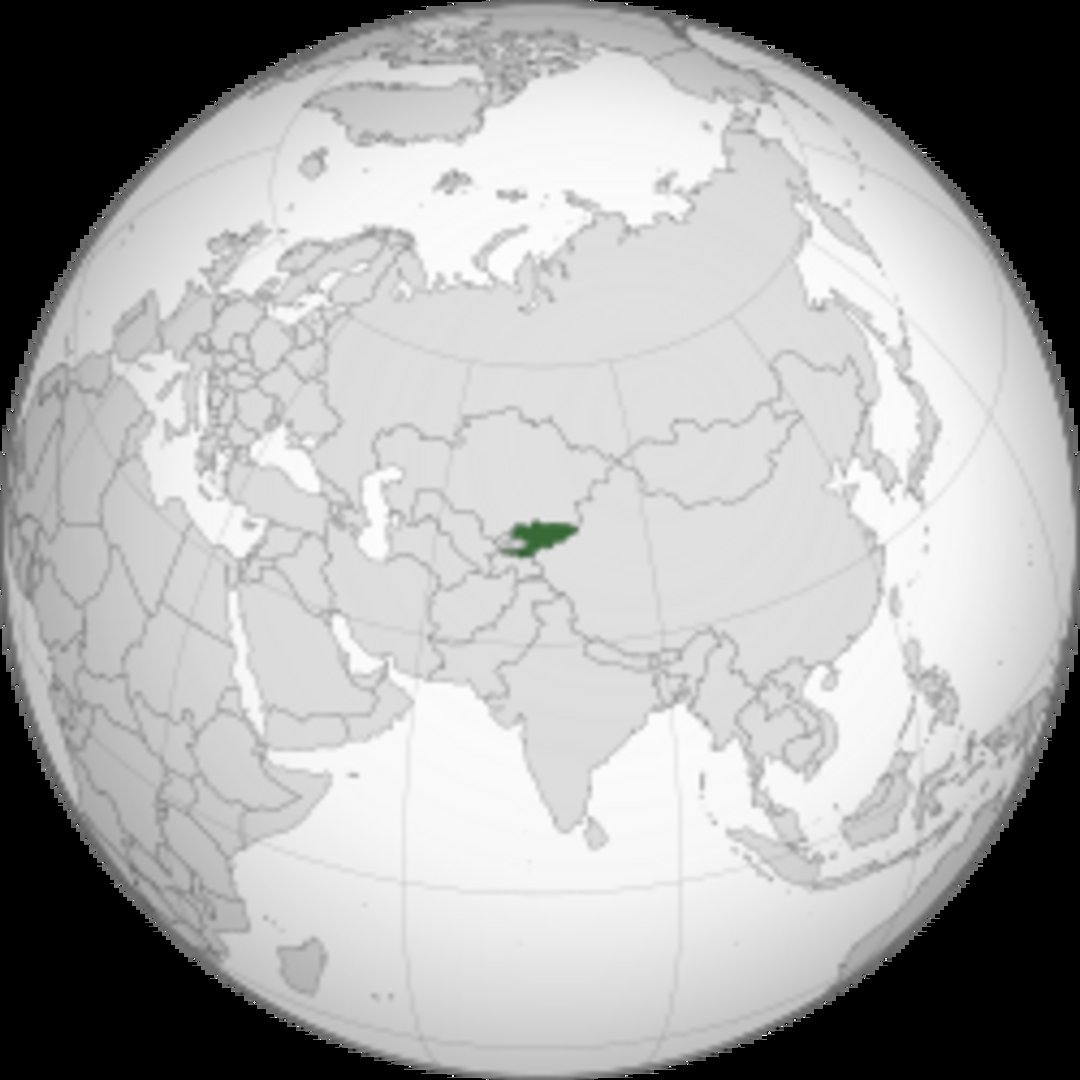
A Mineral Treasure Chest Beneath the Mountains
At first glance, Kyrgyzstan appears increasingly serious about critical minerals.
Government officials have identified approximately 20 rare earth and strategic mineral deposits and have signaled plans to develop the sector by 2035. According to Kyrgyz authorities, the country hosts deposits containing rare earth elements, beryllium, titanium, uranium, thorium, antimony, fluorite, and other strategic minerals.
Among the most prominent assets:
| Deposit | Strategic Minerals |
|---|---|
| Kutessay II | Rare earth elements |
| Kalesay | Beryllium |
| Kyzyl-Ompol (Tash-Bulak) | Uranium, thorium, titanium-magnetite |
| North Aktash | Gold, antimony, fluorite |
| Ak-Tyuz Ore Field | Multiple rare earth prospects |
The government has actively marketed Kutessay II, Kalesay, and North Aktash to foreign investors through international investment promotion efforts.
The Crown Jewel Still Wears a Soviet-Era Label
Despite growing interest, Kutessay II remains the centerpiece of Kyrgyzstan's rare earth story.
Discovered during the Soviet era and mined between 1960 and 1991, the deposit supplied a significant share of Soviet rare earth production. Public disclosures from former project owner Stans Energy reported a 2011 resource estimate containing approximately 42,980 tonnes of rare earth oxides in the Measured and Indicated categories.
What is striking is not the deposit itself. It is the lack of modern validation.
Investors still have not seen a recent Joint Ore Reserves Committee (JORC) update, National Instrument 43-101 resource estimate, bankable feasibility study, or major project financing package comparable to advanced rare earth projects in the United States, Australia, or even neighboring Kazakhstan.
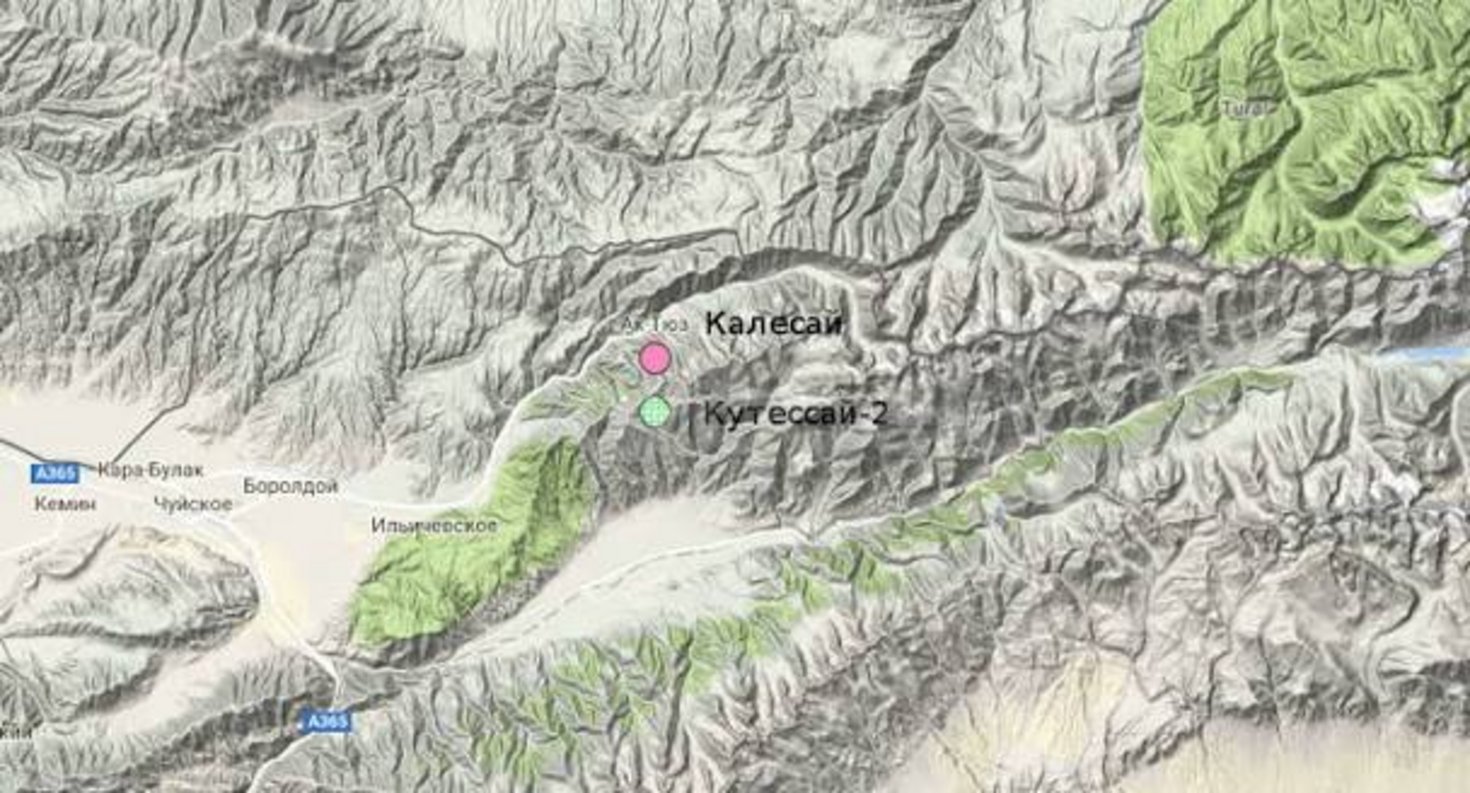
AKI Press
Between Moscow's Shadow and Beijing's Reach
Geopolitically, Kyrgyzstan sits at the intersection of competing powers. Russia remains influential through historical, political, and technical ties. China increasingly dominates trade, infrastructure, logistics corridors, and mineral demand throughout Central Asia. The United States and Europe have shown growing interest in diversifying critical mineral supply chains, but visible project-level engagement in Kyrgyzstan remains limited. This matters because future rare earth development will likely require foreign capital, processing expertise, and export infrastructure.
Who Holds the Cards? The Key Players Shaping Kyrgyzstan's Critical Minerals Future
Unlike more mature rare earth jurisdictions, Kyrgyzstan's critical minerals sector remains heavily government-led. The country's strategy is being driven not by major mining companies, but by state agencies seeking foreign capital, technical expertise, and long-term development partners.
The Government
The principal government actors include the Kyrgyz Geological Service (opens in a new tab) and the Ministry of Natural Resources, Ecology and Technical Supervision (opens in a new tab), which oversee geological exploration, licensing, resource assessment, and investment promotion. Officials have increasingly highlighted critical minerals as a strategic national priority, identifying approximately 20 rare earth and related mineral deposits for future development.
The government has also actively marketed several projects—including Kutessay II, Kalesay, and North Aktash—to foreign investors through international investment roadshows and investment forums.
The Legacy Developer
For international investors, the best-known name remains Stans Energy Corp., the Canadian company that acquired rights to Kutessay II, Kalesay, and the broader Ak-Tyuz ore field during the early 2010s. Stans helped bring global attention to Kyrgyzstan's rare earth potential through historical resource estimates and technical studies. However, commercial development stalled amid legal disputes, political uncertainty, and financing challenges.
Today, Stans' work remains one of the primary sources of publicly available technical information on the district.
China: The Emerging Power
While no major Chinese rare earth producer has publicly established a flagship rare earth project in Kyrgyzstan, Beijing's influence continues to grow through infrastructure financing, regional trade, transportation corridors, and mineral diplomacy.
The China-Kyrgyzstan-Uzbekistan railway project (opens in a new tab), expanded China-Central Asia cooperation agreements, and China's dominant role in global rare earth processing position Chinese companies as potentially significant future partners—or buyers—of Kyrgyz mineral production.
Russia: The Historical Anchor
Russia's influence remains substantial through historical geological cooperation, Soviet-era mining expertise, technical institutes, and regional political relationships. Many of Kyrgyzstan's geological databases, resource assessments, and mining traditions trace directly to Soviet exploration programs. Moscow has also publicly expressed concern about growing Western interest in Central Asian critical minerals, highlighting the strategic importance of the region.
Western Investors: Watching from the Sidelines
The United States, United Kingdom, European Union, and allied countries increasingly view Central Asia as a potential source of diversified critical mineral supply. However, unlike Kazakhstan, Kyrgyzstan has yet to attract a major Western-backed rare earth development project.
For now, foreign investor interest appears strongest at the evaluation and exploration stage rather than at the level of committed mine construction or processing investment.
The REEx View
The most important player may ultimately be neither Kyrgyzstan nor any foreign mining company.
It may be whoever finances and builds the first commercial separation and processing facilities capable of turning Kyrgyzstan's mineral potential into marketable rare earth products. In rare earths, ownership of the deposit is only the beginning. Control of the downstream supply chain is where strategic value is ultimately created.
The AKIPRESS announcement is significant because it confirms rare earths have entered Kyrgyzstan's national development agenda. But investors should avoid confusing ambition with execution. The country may possess 20 rare earth and critical mineral deposits. What it does not yet possess is a modern rare earth industry. The geology is increasingly attractive. The business case remains largely unproven.
And until processing, financing, and feasibility challenges are solved, Kyrgyzstan remains a promising frontier rather than an established rare earth jurisdiction.
Sources: Kyrgyz Geological Service; Ministry of Natural Resources, Ecology and Technical Supervision; Qazinform (2025); UK Government Investment Summaries (2026); Stans Energy technical disclosures.
Register today: REEx Marketplace™ (opens in a new tab)


0 Comments
No replies yet
Loading new replies...
Moderator
Join the full discussion at the Rare Earth Exchanges Forum →