
Highlights
- A July 16 parliamentary hearing examines whether Lynas Rare Earths' $96M Pentagon deal breaches Malaysian policy and diverts materials into weapons systems.
- Malaysia's ban on raw rare earth exports reflects its push for domestic value capture, demanding technology transfer and local equity from foreign investors.
- France's Carester and Malaco Mining are building a separation plant in Perak, modeling the allied-nation strategy of securing refining rights beyond mine access.
- Southern Alliance Mining deposits could shift from China-facing trade routes to allied supply chains if Malaysia enforces its no-raw-export policy effectively.
- South Korea's potential POSCO mine negotiations and a Lynas-JS Link magnet plant signal intensifying competition for Malaysia's heavy rare earth value chain.
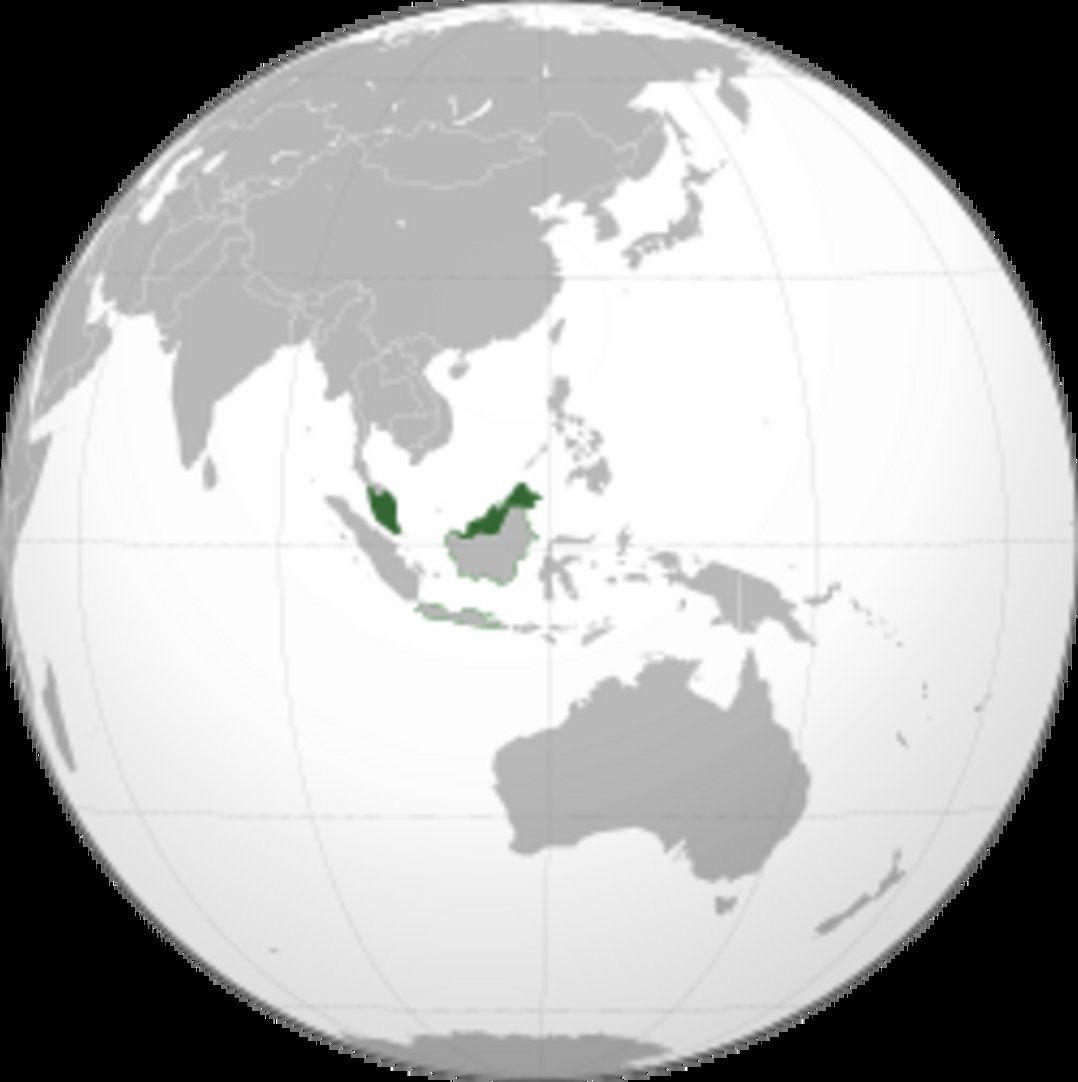
Malaysia is no longer just hosting rare earth processing. It is becoming one of the decisive battlegrounds of Great Powers Era 2.0, where nations are racing not merely to buy minerals, but to control the value chain above the mine. The July 16 parliamentary hearing into Lynas Rare Earths’ $96 million U.S. Department of Defense supply deal is the latest signal that Malaysia’s rare earth sector is now about sovereignty, security, environmental legitimacy, and industrial upgrading all at once. Lynas operates one of the largest rare earth processing plants outside China, and that makes Malaysia strategically unavoidable. It also makes every offtake deal political.
The Lynas controversy captures the new rare earth dilemma. Malaysia wants the economic benefits of separation, refining, magnets, and advanced materials. But it does not want to be treated as a passive processing zone for other powers’ defense supply chains. Lawmaker Wong Chen said the hearing will examine whether the Lynas-Pentagon deal breaches local policy and whether material is going into weapons rather than civilian technologies. That concern has been amplified by activists linking the deal to U.S. arms and Israel’s war in Gaza. Whether or not those claims are substantiated, the political message is clear: Malaysia wants visibility into where its strategic materials go.
This is why Malaysia’s raw rare earth export policy matters. Kuala Lumpur has said its ban on raw rare earth exports remains in force because the country does not want to remain a supplier of cheap feedstock. Trade Minister Tengku Zafrul Aziz has framed the policy around domestic value capture—foreign investment is welcome, but Malaysia wants processing, technology transfer, and local equity participation. Reuters has reported that Malaysia holds an estimated 16.1 million metric tons of rare earth deposits, but still lacks enough domestic mining and processing technology. That gap is exactly why Japan, France, China, Australia, the United States, South Korea, and potentially others are circling.
The Carester-Malaco deal (opens in a new tab) shows the model Malaysia is trying to build. French rare earth specialist Carester plans a separation plant in Perak through a 10-year venture with Malaco Mining Group (opens in a new tab). The facility is expected to process roughly 13,000 tons annually, while some concentrate would move to Carester’s French facility. The structure is revealing: Malaysia retains domestic separation capacity, France secures feedstock and refining optionality, and Japan’s broader financing and industrial strategy gains another non-China route into heavy rare earths.
REEx has tracked the same logic in earlier reporting on Carester’s Japan-linked French refining strategy and Belgium’s interest around Solvay and Malaysia. The theme is consistent: allied nations are no longer satisfied with mine access alone. They want separation chemistry, refining rights, oxide availability, magnet feedstock, and politically acceptable provenance.
Southern Alliance Mining sits inside the same race. REEx has repeatedly emphasized the importance of SAM because Malaysia’s geology is not theoretical—it includes deposits capable of feeding the heavy rare earth supply chain. Today, SAM-linked material is understood to move primarily toward China, but that does not have to remain permanent. If Malaysia successfully enforces its “no raw export” policy while attracting credible separation partners, mines now tied to China-facing trade routes could become contested nodes in a wider allied supply chain.
The U.S.-Malaysia DTEC Mineral and Metal Technology (opens in a new tab) story adds another dimension. A joint Malaysian-American venture operating entrepreneurially inside the country points to a more agile model than traditional state-to-state mineral diplomacy. Instead of waiting for giant national champions, Malaysia may see smaller, technically capable firms move faster across licensing, processing, compliance, and commercial offtake.
South Korea is an open question. Media reports suggest a Lynas-JS Link magnet plant plan in Pahang, a 600 (opens in a new tab) million ringgit project intended to produce 3,000 tonnes of neodymium magnets near Lynas’ Kuantan facility. Plus, REEx has also been told POSCO is in Malaysia seeking access to new mines under development. However, thus far we have found no public filing or reliable open-source confirmation that POSCO is currently negotiating mine access in Malaysia. That makes the POSCO angle important—but still unverified.
The strategic conclusion is simple. Malaysia is becoming an epicenter because it has what the world needs: geology, location, processing experience, and political leverage. The next contest will not be over who buys Malaysian rare earths. It will be over whether Malaysia can force the world to build the higher-value chain on Malaysian soil.
Register today: REEx Marketplace™ (opens in a new tab)


2 Comments
2 replies
Loading new replies...
Member
Member
Join the full discussion at the Rare Earth Exchanges Forum →