
Highlights
- The kelantan state government is collaborating with Japan's JOGMEC to explore roughly 1,400 hectares near Gua Musang for rare earth elements, still in the early sampling phase.
- Malaysia is emerging as a key node in an ex-China rare earth corridor, with Japan, France, and Malaysian firms quietly assembling a dysprosium and terbium supply chain.
- France's Carester Caremag facility, expected online in late 2026, could supply 20% of Japan's future Dy/Tb needs, with Malaysia as a critical geographic and geological hinge.
- China still controls 85–90% of global rare earth separation and processing, meaning Malaysian feedstock alone will not equal supply-chain independence.
- Illegal mining activity, environmental governance gaps, and permitting hurdles remain significant risks to Malaysia's rare earth ambitions.
The jungle hills of Kelantan may contain rare earths. But investors should not confuse exploration permits with industrial transformation.
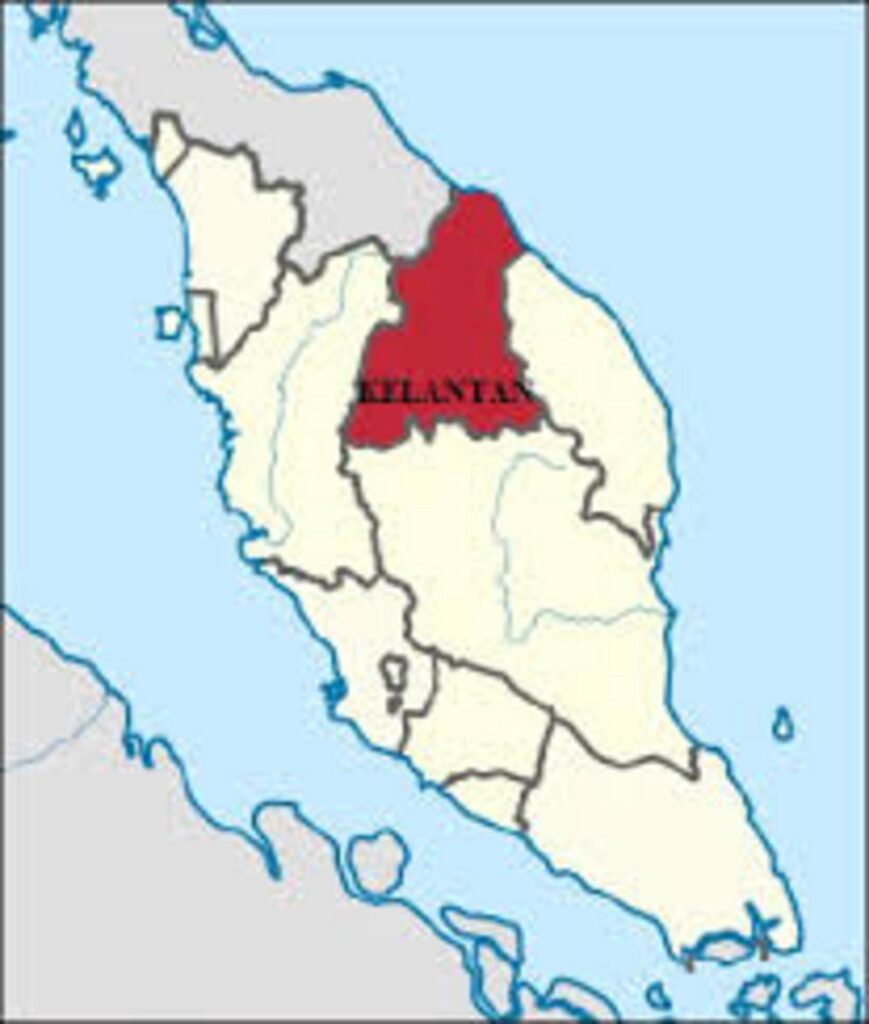
According to Malaysian media, the Kelantan state government is exploring approximately 1,400 hectares near Gua Musang (opens in a new tab) for rare earth elements (REEs) in collaboration with Japan Organization for Metals and Energy Security (opens in a new tab) (JOGMEC). Officials say the project remains in the exploration and sampling phase, with environmental approvals and mining plans still pending.
Some of the Players
As reported (opens in a new tab) in the Malay Mail, State Local Government, Housing, Health, and Environment Committee chairman Hilmi Abdullah (opens in a new tab) reports the rare earth investigation remains at the early exploratory stages. But that’s where it all starts. “This effort is being implemented in collaboration with JOGMEC.” Abdullah continued, “The state government is also currently in the process of granting approvals to government-linked companies (GLCs) and state agencies interested in participating in this effort.” According to the MalayMail piece, Abdullah had just completed officiating the opening of the Kelstone Cosmos Laboratory (opens in a new tab) at the Bandar Baru Tunjong Business Centre, a major, integrated commercial and economic hub located in the state. It serves as a rapidly growing nucleus for business, retail, and tourism in what is known as the East Coast Economic Region (ECER).
Hilmi Abdullah

Source: Meta
The Quiet Rise of Malaysia’s Rare Earth Ambitions
This story does not exist in isolation. As Rare Earth Exchanges™ has chronicled, Malaysia is increasingly emerging as a serious secondary node in the ex-China rare earth ecosystem. Companies tied to ionic clay and downstream ambitions are beginning to accumulate across the country. Among them are Southern Alliance Mining Ltd. (QNS.SI) through its rare earth-focused arm MCRE Resources Sdn Bhd, as well as startup ventures such as the American-Malaysian exploration firm DTEC MMT (opens in a new tab).
Meanwhile, as Rare Earth Exchanges reported, France-based Carester has also explored collaboration opportunities in Malaysia tied to downstream rare earth processing and separation initiatives. The QNS rare earth mine is based in Perak State and is the only operational licensed rare earth mine in the Southeast Asian nation.
Rare Earth Exchanges suggests that Japan, France, and Malaysia may be quietly assembling one of the first scalable ex-China heavy rare earth supply-chain corridors focused on dysprosium and terbium—two critical inputs for high-performance magnets used in EVs, robotics, wind turbines, and defense systems. Japan and France recently signed a cooperation roadmap anchored by France’s Carester Caremag facility in Lacq, expected to launch in late 2026 and potentially supply 20% of Japan’s future Dy/Tb needs. Japan brings downstream magnet manufacturing strength and long-term strategic financing experience through entities like the aforementioned JOGMEC, while Malaysia increasingly positions itself as the geographic and geological hinge of the alliance, thanks to ionic clay deposits, Lynas processing infrastructure, export restrictions on raw rare earths, and partnerships involving firms such as Malaco Mining (Malaco Group) and Carester. See a Rare Earth Exchanges piece, “Could Japan and France be Accelerating A Rare Earth Supply Chain with the Help of Malaysia?”
Although Rare Earth Exchanges has been informed by sources in Malaysia not wanting to be identified that Malaco Mining has no active rare earth mines in Malaysia—at least not yet.
The broader significance of the piece was that the first viable non-China heavy rare earth ecosystem may emerge not from the United States directly, but through allied industrial coordination across Asia and Europe. Still, the pathway remains fragile: permitting, environmental governance, processing capability, and public trust remain major choke points, while China still controls roughly 90% of global rare earth processing and retains enormous downstream industrial advantages.
Japan Remains Key
The most important player in this latest Kelantan story, however, may still be Japan. Tokyo understands a reality many Western governments continue to underestimate: critical mineral security requires upstream diversification years before geopolitical emergencies arrive. JOGMEC has spent decades quietly building strategic exposure to lithium, nickel, uranium, and rare earth assets across Asia, Africa, and Australia.
Exploration Fever Meets Industrial Gravity
The article correctly notes the project remains highly preliminary. That matters. Rare earth headlines often create investor excitement long before metallurgy, permitting, infrastructure, separation capability, economics, and downstream qualification are proven. Malaysia could eventually contribute feedstock into ex-China supply chains. But feedstock alone does not equal supply-chain independence.
China still controls roughly 85–90% of rare earth separation and processing capacity globally and dominates downstream NdFeB magnet manufacturing.

And one subtle warning buried near the bottom of the report deserves attention: illegal mining activity remains active in parts of Kelantan, with a recent landslide reportedly killing two illegal gold miners. See the Rare Earth Exchanges piece “Illegal Mining in Malaysia, 2020-2026: Rare Earth and Critical Minerals.” Think that is not generally a dangerous business? According to the MalayMail, citing the national news agency Bernama (opens in a new tab), just last Wednesday, two men reportedly died, buried in a landslide linked to their purported illegal mining of gold in an oil palm plantation area in Kampung Jerimbong, Kuala Balah, Jeli.
Malaysia, with two layers of government oversight—national and state, with the latter overseeing environmental and land-based governance—remains concerned about environmental, governance, and enforcement risks associated with critical mineral rushes.
Ultimately, of course, geology starts the story with rare earths. Industrial ecosystems decide who wins it.


0 Comments
No replies yet
Loading new replies...
Moderator
Join the full discussion at the Rare Earth Exchanges Forum →