
Highlights
- Malaysia is considering conditional exemptions to its 2024 unprocessed rare earth export ban, linking approvals to foreign investment and technology transfer.
- The strategy mirrors Indonesia's resource nationalism model, aiming to move beyond raw material exports into separation, refining, alloys, and magnet manufacturing.
- Malaysia already hosts Lynas, one of the few major rare earth separation facilities outside China, and is attracting additional refining investment from Carester.
- The government's RM970 billion resource estimate relies heavily on inferred resources, with much mineralization located under environmentally protected forests.
- The West's critical mineral vulnerability is not a lack of ore but a shortage of processing and refining capacity—the highest-value stages of the supply chain.
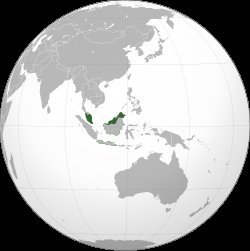
Malaysia is considering relaxing its 2024 ban on exports of unprocessed rare earths, but only under conditions tied to foreign investment, technology transfer, and research collaboration. The proposal reflects growing competition for critical minerals following China's export controls while reinforcing Malaysia's ambition to become a regional critical minerals hub by 2030. For investors, the real story is not whether Malaysia exports ore—it is whether the country captures more of the value chain through processing, refining, metals, alloys, and eventually magnets.
REEx Insight
At Rare Earth Exchanges®, we see Malaysia's strategy as a textbook example of Great Powers Era 2.0—a geopolitical era in which nations no longer compete simply to extract natural resources but to capture the highest-value stages of industrial production. Around the world, governments are attempting to move beyond mining into separation, refining, metal making, alloy production, magnet manufacturing, and advanced materials because these activities create higher margins, skilled employment, technological capability, and long-term strategic influence.
Malaysia's importance therefore extends beyond its mineral deposits, as cited via The Edge Malaysia (opens in a new tab). It already hosts one of the world's few major rare earth separation facilities outside China through Lynas and is attracting additional refining investment from Carester. Conditional exports tied to technology transfer suggest Malaysia wants foreign capital while steadily moving further up the industrial ladder rather than remaining merely a supplier of raw materials.
From Ore to Industrial Power
In a Bloomberg piece, media reports indicate that Malaysia is considering targeted export exemptions rather than abandoning its resource-nationalism strategy. Linking exports to downstream investment closely mirrors Indonesia's industrial policy, which has sought to convert mineral wealth into domestic manufacturing capacity. Investors should nevertheless separate aspiration from reality. The government's RM970 billion resource estimate is based largely on inferred resources rather than economically proven reserves, and much of the identified mineralization lies beneath environmentally protected forests where permitting remains uncertain.
More importantly, the article understates the industry's defining challenge. Mining creates feedstock; separation, refining, metals, alloys, and magnets create strategic power. The West's vulnerability is not a shortage of rocks—it is a shortage of industrial capacity. Every country seeking to participate in the next generation of supply chains is now racing to move further up the value chain before someone else captures the highest-value economics.
REEx Connect
Companies: Lynas Rare Earths; Carester SAS; Malaco Mining Group; Berjaya Corporation; Southern Alliance Mining
Organizations: Malaysia Ministry of Natural Resources and Environmental Sustainability; Bloomberg; Hannam & Partners Research.
Key Figure: Deputy Minister Syed Ibrahim Syed Noh, who outlined Malaysia's strategy of conditional exports linked to technology transfer and downstream investment.


0 Comments
No replies yet
Loading new replies...
Moderator
Join the full discussion at the Rare Earth Exchanges Forum →