
Highlights
- Steron International Resources and the AFA Initiative signed an MoU to develop Nigeria's lithium and rare earth projects with a focus on local processing.
- Nigeria hosts prospective rare earth mineralization, but no JORC- or NI 43-101-compliant resources, metallurgical data, or economic studies have been publicly disclosed.
- Commercial rare earth success requires separation, metal and alloy production, and magnet manufacturing—capabilities Nigeria currently lacks at industrial scale.
- Illegal mining, mineral smuggling, and governance gaps from federal to local level remain persistent obstacles to building a transparent supply chain.
- The investment opportunity is real, but the thesis awaits verified geology, proven metallurgy, and disciplined project financing before it becomes bankable.
Nigeria has taken another step toward developing its critical minerals sector as Steron International Resources Limited (opens in a new tab) and the Africans for Africa (AFA) Initiative (opens in a new tab) signed a memorandum of understanding (MoU) to advance lithium and rare earth projects while promoting local processing. The signing, witnessed by Minister of Solid Minerals Development Dr. Dele Alake (opens in a new tab), reflects Nigeria's ambition to capture more value from its mineral wealth instead of exporting raw materials. Rare Earth Exchanges® view: the vision is compelling, but investors should distinguish between an MoU and a bankable rare earth supply chain. The missing ingredients remain independently verified resources, metallurgy, financing, processing technology, and commercial execution.
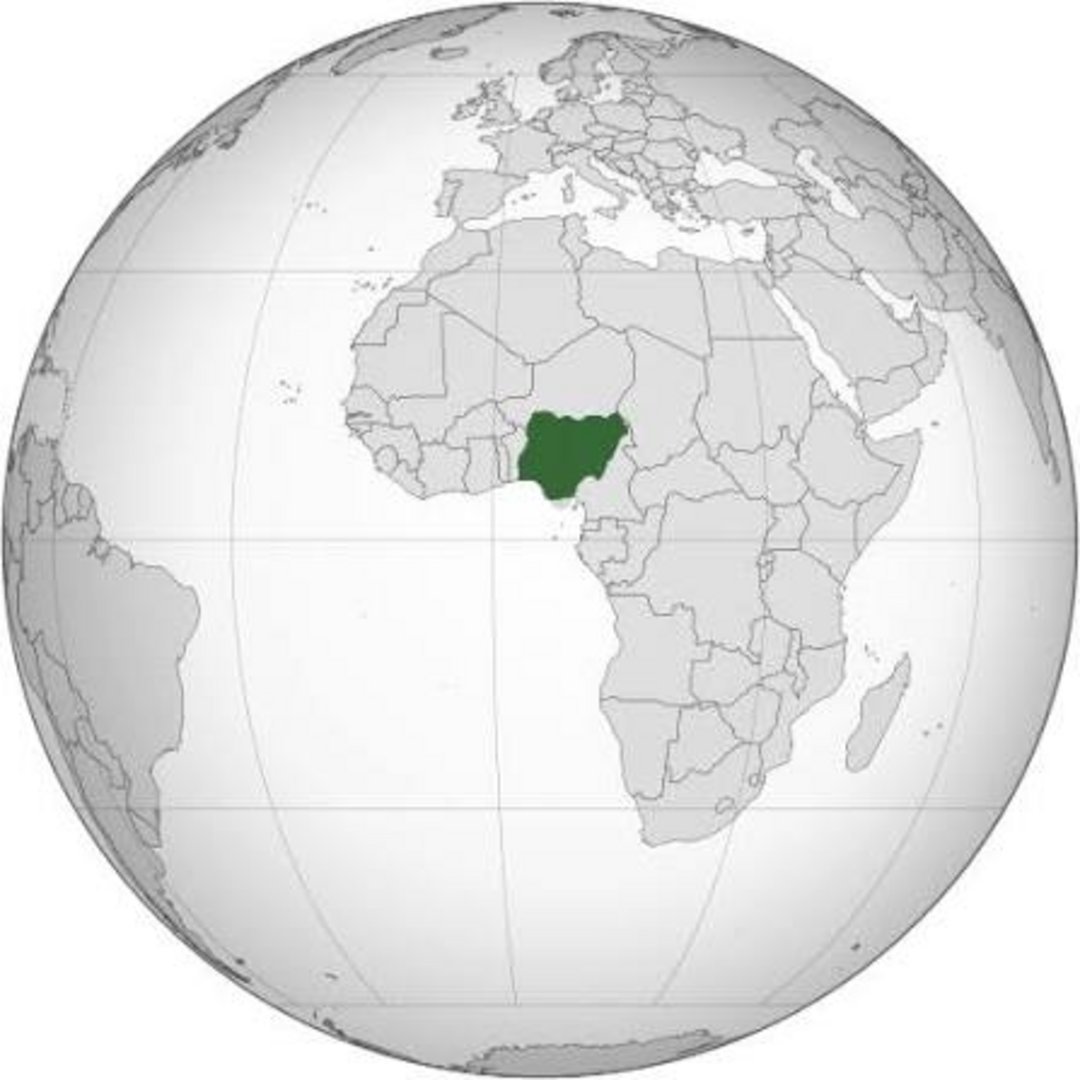
Did you Know?
Nigeria is Africa's giant in more ways than one. English-speaking Nigeria is the continent's most populous nation, home to more than 230 million people, and is Africa's third largest economy by GDP, plus an enterprising entrepreneurial culture. That combination of a vast domestic market, abundant mineral resources, and a young workforce gives Nigeria strategic importance well beyond mining. For rare earth investors, that matters. If Nigeria succeeds in building domestic processing—not just mining—it could become more than a supplier of raw materials. It could emerge as one of Africa's most important industrial hubs for critical minerals and advanced manufacturing.
Beyond Digging Holes
Across the developing world, the new mining ambition is remarkably consistent: mine locally, process locally, manufacture locally. Nigeria wants to join that movement. At the African Natural Resources and Energy Investment Summit in Abuja, Sadiq Abubakar Omar, Managing Director and CEO of Steron International Resources, and Suleiman Zakari, co-founder of the AFA Initiative, signed an agreement placing Steron's Wasa lithium and rare earth project within AFA Mining Fund I. Omar also stated that Steron has identified three prospective rare earth occurrences in Nigeria's Middle Belt and intends to pursue downstream processing rather than simply exporting ore.
Vision Meets Reality
Much of the reporting is accurate. Nigeria is known to host prospective lithium pegmatites and rare earth mineralization, and Dr. Alake's ministry has made domestic value addition a cornerstone of its mining reforms.
What remains unknown is equally important.
Steron has not publicly disclosed JORC- or NI 43-101-compliant mineral resources, metallurgical test work, recoveries, rare earth distribution, capital costs, or economic studies. Without those data, investors cannot independently assess either the scale or commercial viability of the project. An MoU, by itself, does not establish a viable rare earth business.
The Real Bottleneck Lies Downstream
A recent piece (opens in a new tab) in PunchNG correctly emphasizes local processing but largely overlooks the industry's greatest challenge.
Commercial success in rare earths depends on separating mixed concentrates into high-purity oxides, producing metals and alloys, manufacturing NdFeB permanent magnets, and ultimately qualifying those materials with automotive, industrial, electronics, and defense customers. Those capabilities require specialized chemistry, substantial capital, experienced technical teams, reliable infrastructure, and years of customer validation.
Rare Earth Exchanges Take: Nigeria's industrial strategy deserves attention, and Dr. Alake has clearly shifted the country's mining policy toward value-added production. But successful rare earth industries are built on verified geology, proven metallurgy, disciplined project financing, and world-class midstream capabilities—not aspiration alone. For investors, the story is worth watching. The investment thesis, however, still awaits the evidence.
Nigeria's Rare Earth Sector Today
Nigeria's rare earth sector remains in its infancy and is characterized largely by small-scale and artisanal mining rather than modern industrial production. At least a significant amount of activity occurs within the informal economy, where limited geological data, weak regulatory oversight, and inadequate processing infrastructure make production difficult to quantify. Reports from Nigerian authorities and industry observers indicate that illegal mining and mineral smuggling remain persistent challenges, with Chinese traders and intermediaries frequently cited as significant buyers of raw mineral concentrates alongside other domestic and international purchasers. While the government under Dr. Dele Alake has launched reforms aimed at formalizing the sector, attracting responsible investment, and encouraging domestic value addition, Nigeria today has no commercial-scale rare earth separation, metal, alloy, or permanent magnet manufacturing industry. For investors, the opportunity is real—but so is the execution risk. The country's challenge is not simply discovering rare earths; it is transforming a fragmented, largely informal mining sector into a transparent, globally competitive mine-to-magnet supply chain. Rare Earth Exchanges in previous articles has discussed the gaps in governance from federal to state, with local elites often wielding considerable clout over land use issues.
Register today: REEx Marketplace™ (opens in a new tab)


0 Comments
No replies yet
Loading new replies...
Moderator
Join the full discussion at the Rare Earth Exchanges Forum →