
Highlights
- Ontario Premier Doug Ford unveiled a 10-year Defence Industrial Strategy at CANSEC, projecting 43,000 jobs and $6 billion in economic growth by 2035.
- The strategy explicitly targets vertically integrated defence supply chains built around critical minerals, echoing concerns about China's dominance in rare earth processing.
- Analysts warn the plan lacks specifics on rare earth separation, magnet manufacturing, and metallization needed to achieve true industrial sovereignty.
- Ontario's framework signals that critical minerals, energy, manufacturing, and defence are now inseparable pillars of national economic strategy.
- The real battle for critical mineral dominance is increasingly fought in the midstream, not at the mine mouth.
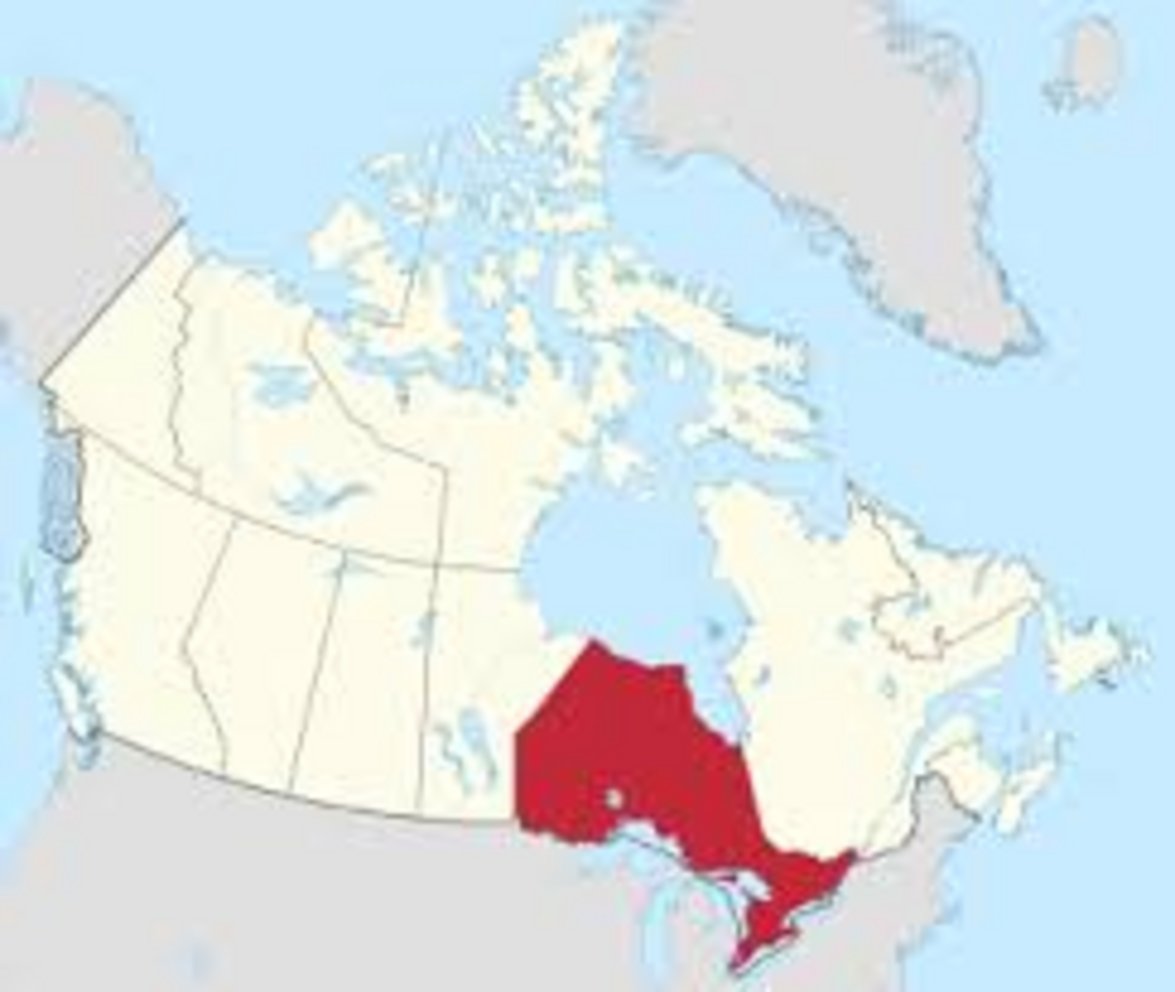
The age of cheap globalization is ending. Standing at CANSEC (opens in a new tab), a leading global tradeshow hosted by the Canadian Association of Defence and Security Industries, the Ontario government in Ottawa, Premier Doug Ford unveiled Ontario’s first-ever Defence Industrial Strategy (opens in a new tab)—a 10-year plan designed to transform the province into a cornerstone of allied defense manufacturing, critical minerals processing, and advanced technology development. Ontario projects the strategy could create 43,000 jobs and add $6 billion to the provincial economy by 2035. For rare earth investors, the most important sentence was easy to miss.
Ontario explicitly identified “vertically integrated defence supply chains” built around critical minerals and advanced manufacturing as a strategic objective.
The Real Story Hides Beneath the Mines
Many headlines will focus on jobs. They should focus on supply chains. Ontario's leaders understand an uncomfortable reality increasingly recognized across Washington, Brussels, Canberra, and Tokyo: mining alone does not create industrial power. China dominates not because it mines the most rare earths, but because it controls much of the processing, separation, metals, alloys, and magnet manufacturing ecosystem. The world's critical mineral battle is increasingly being fought in the midstream.
Ontario's emphasis on critical minerals, manufacturing, nuclear power, and defense integration suggests policymakers are beginning to think in systems rather than commodities.
Reading Between the Government Lines
The announcement contains ambition. It does not yet contain execution. The framework offers few specifics regarding rare earth separation, magnet manufacturing, metallization, or downstream defense procurement. The province repeatedly references critical minerals but provides limited detail on how Ontario intends to close the enormous gap between resource extraction and industrial self-sufficiency. That omission matters. Without processing capacity, critical minerals remain rocks. Without magnets, alloys, and components, industrial sovereignty remains a slogan.
Why Investors Should Care
Ontario is signaling something larger than a provincial economic development plan. It is acknowledging that critical minerals, rare earths, energy, manufacturing, and defense have become inseparable. That may prove to be the defining economic lesson of Great Powers Era 2.0. The countries that control integrated industrial ecosystems will increasingly control the technologies, weapons, and economies of the future.


0 Comments
No replies yet
Loading new replies...
Moderator
Join the full discussion at the Rare Earth Exchanges Forum →