
Highlights
- The U.S. graduates roughly 200 mining and minerals engineers per year, compared to an estimated 10,000 or more in China, creating a compounding talent deficit.
- Professor Noble describes rare earths as the 'cinnamon and nutmeg' of the modern materials economy—used in small amounts but essential to advanced technologies.
- The Expand Appalachia initiative, backed by the U.S. Department of Energy, is mapping critical mineral potential from Tennessee to Maine, including unconventional sources like mine tailings and fly ash.
- Aclara Resources' demonstration facility at Virginia Tech is designed to give students hands-on experience with industrial critical-mineral processing equipment.
- Noble's core message: America cannot rebuild its critical minerals supply chain through capital investment alone—it requires a skilled human workforce.
America can finance mines, fund processing plants, and identify critical-mineral deposits. But who will actually build and operate them? That question drives a compelling new Rare Earth Exchanges® Podcast episode (opens in a new tab) featuring Professor Aaron Noble, Department Head of Mining and Minerals Engineering at Virginia Tech (opens in a new tab), joining hosts Dustin Olsen and Daniel O’Connor for a wide-ranging discussion about the overlooked human infrastructure behind America’s critical-minerals and rare earth supply chain ambitions.
Professor Aaron Noble, Department Head of Mining and Minerals Engineering at Virginia Tech
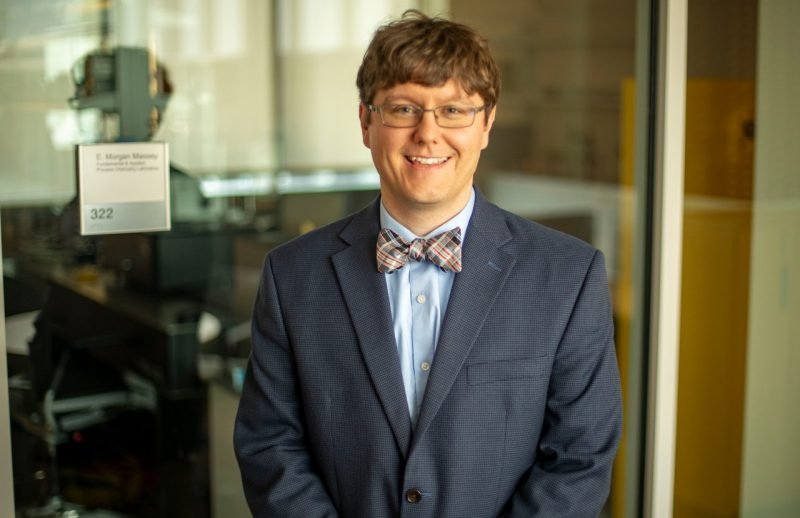
Noble delivers a striking comparison: the United States graduates roughly 200 mining and minerals engineers annually, while China may graduate more than 10,000. The gap compounds over decades, potentially constraining everything from mine design and permitting to rare earth separation and technological innovation.
“The talent is the one that is often overlooked, but absolutely essential,” Noble tells REEx.
The conversation goes deeper than workforce numbers. Noble explains rare earths as the “cinnamon and nutmeg” of the modern materials economy—used in small quantities but indispensable to advanced technologies. Their relatively tiny markets can also discourage the R&D and investment required to build resilient supply chains.
Noble takes listeners inside Expand Appalachia (opens in a new tab), the three-year U.S. Department of Energy-backed initiative he co-leads with Virginia Tech’s Richard Bishop (opens in a new tab) to identify critical-mineral potential from Tennessee to Maine, including unconventional resources such as mine tailings, acid mine drainage, and fly ash.
The episode concludes at the intersection of education and commercialization. Noble describes Aclara Resources’ demonstration facility at Virginia Tech (opens in a new tab) as fundamentally an investment in people, giving students experience with industrial-style critical-mineral processing equipment.
His message is difficult to ignore: America cannot reindustrialize by capital expenditure alone. Supply chains are ultimately built by people.
Listen to the Rare Earth Exchanges Podcast for the full conversation with Professor Aaron Noble (opens in a new tab).


0 Comments
No replies yet
Loading new replies...
Moderator
Join the full discussion at the Rare Earth Exchanges Forum →