
Highlights
- Sweden awarded Leading Edge Materials a 25-year exploitation concession for the Norra Kärr Heavy Rare Earth Project, one of Europe's richest deposits of dysprosium, terbium, and yttrium.
- The project's 2021 Preliminary Economic Assessment is not a feasibility study, and production projections carry significant geological, technical, and economic uncertainty.
- Europe lacks commercial-scale capacity to separate heavy rare earths and manufacture permanent magnets, meaning a new mine alone cannot break China's supply chain dominance.
- Leading Edge Materials must still complete environmental permitting, secure financing, finalize offtake agreements, and solve complex metallurgical challenges before production can begin.
- Director Eric Krafft controls roughly 40% of outstanding shares, concentrating ownership and aligning management with long-term shareholders while limiting public float.
Sweden has granted Leading Edge Materials (opens in a new tab) (LEM.V) a 25-year mining lease for its Norra Kärr Heavy Rare Earth Project (opens in a new tab), marking one of Europe's most significant critical minerals decisions in years. The project hosts one of the continent's richest deposits of dysprosium, terbium, and yttrium—rare earth elements essential for permanent magnets used in electric vehicles, wind turbines, robotics, aerospace, and defense. Rare Earth Exchanges® view: this is a genuine regulatory breakthrough, but investors should not mistake a mining lease for a functioning supply chain. The real challenges—environmental permitting, metallurgy, financing, downstream processing, and magnet production—still lie ahead.
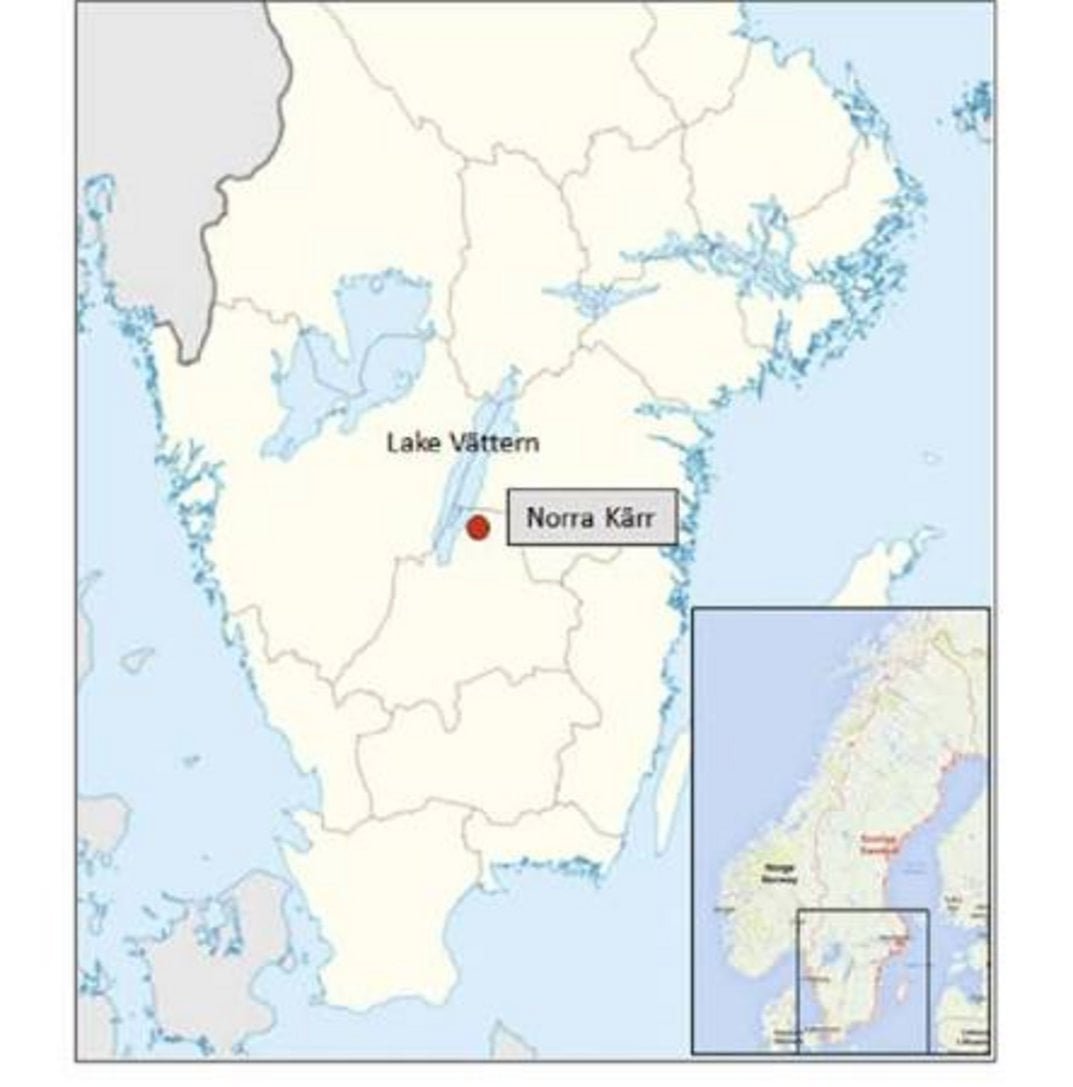
Europe Takes a Meaningful Step
Europe has spent years warning about its dependence on China for heavy rare earth elements. Sweden has now taken decisive action.
The Swedish government awarded Leading Edge Materials a 25-year exploitation concession for Norra Kärr after recommendations from the Mining Inspectorate and other regulatory agencies. The company will now update its 2021 Preliminary Economic Assessment (PEA), continue environmental permitting, pursue strategic offtake agreements, and seek financing to advance the project.
The Headlines Are Real—So Are the Remaining Risks
This is unquestionably one of Europe's most important upstream heavy rare earth developments. Norra Kärr is unusual because it is rich in dysprosium, terbium, and yttrium rather than primarily neodymium and praseodymium. Those heavy rare earths have become among the West's greatest strategic supply vulnerabilities following China's export controls.
Still, investors should separate facts from forward-looking expectations.
The company's projection that Norra Kärr could supply approximately Europe's current annual dysprosium demand originates from its 2021 PEA and remains based largely on inferred mineral resources. A preliminary economic assessment is not a feasibility study and carries substantial geological, technical, and economic uncertainty. Likewise, today's elevated European prices for heavy rare earths reflect an unusually constrained market that may evolve over time.
The Missing Link Nobody Should Ignore
Mining ore is only the first chapter. Europe still possesses limited commercial capability to separate heavy rare earths into oxides and even less capacity to manufacture metals, alloys, and permanent magnets at industrial scale. Without those midstream and downstream capabilities, new mines reduce only one portion of China's dominance over the supply chain. For Rare Earth Exchanges readers, that remains the central investment question. The value of Norra Kärr ultimately depends not simply on extracting heavy rare earths, but on whether Europe can finally build an integrated mine-to-magnet ecosystem.
Company Profile: A Strategic Bet on Europe's Critical Minerals Future
Leading Edge Materials is a Canadian-listed critical minerals developer focused on strategic European assets. Its flagship Norra Kärr project is widely regarded as one of the most advanced heavy rare earth deposits outside China, distinguished by unusually high concentrations of dysprosium, terbium, and yttrium.
The company also owns the fully permitted Woxna Graphite Mine in Sweden and holds a 90% interest in the Bihor Sud nickel-cobalt exploration alliance in Romania. Ownership is highly concentrated, with director Eric Krafft controlling roughly 40% of outstanding shares, aligning management closely with long-term shareholders while limiting public float. The company's investment thesis now rests less on discovery than on execution—successfully navigating permitting, financing, metallurgy, and ultimately integrating Norra Kärr into Europe's emerging ex-China rare earth supply chain.
Register today: REEx Marketplace™ (opens in a new tab)


0 Comments
No replies yet
Loading new replies...
Moderator
Join the full discussion at the Rare Earth Exchanges Forum →