
Highlights
- Sweden approved a processing concession for the Norra Kärr heavy rare earth deposit, operated by Leading Edge Materials' subsidiary Greena Mineral.
- The milestone is a regulatory win, not a mine—metallurgy, financing, environmental approvals, and downstream processing challenges still lie ahead.
- Europe lacks commercial-scale separation, metal making, and magnet manufacturing, meaning China retains strategic leverage despite new deposit approvals.
- Claims that Norra Kärr could satisfy a large part of Europe's rare earth needs remain aspirational until full mine-to-magnet capability is established.
Sweden has granted a processing concession for the Norra Kärr rare earth project, operated by Leading Edge Materials' (opens in a new tab) subsidiary Greena Mineral. The decision revives one of Europe's most strategically important heavy rare earth deposits, but investors should separate political enthusiasm from commercial reality. Rare Earth Exchanges® assessment: this is an important regulatory milestone—not a mine. Metallurgy, permitting, financing, environmental acceptance, and downstream processing remain the true investment tests.
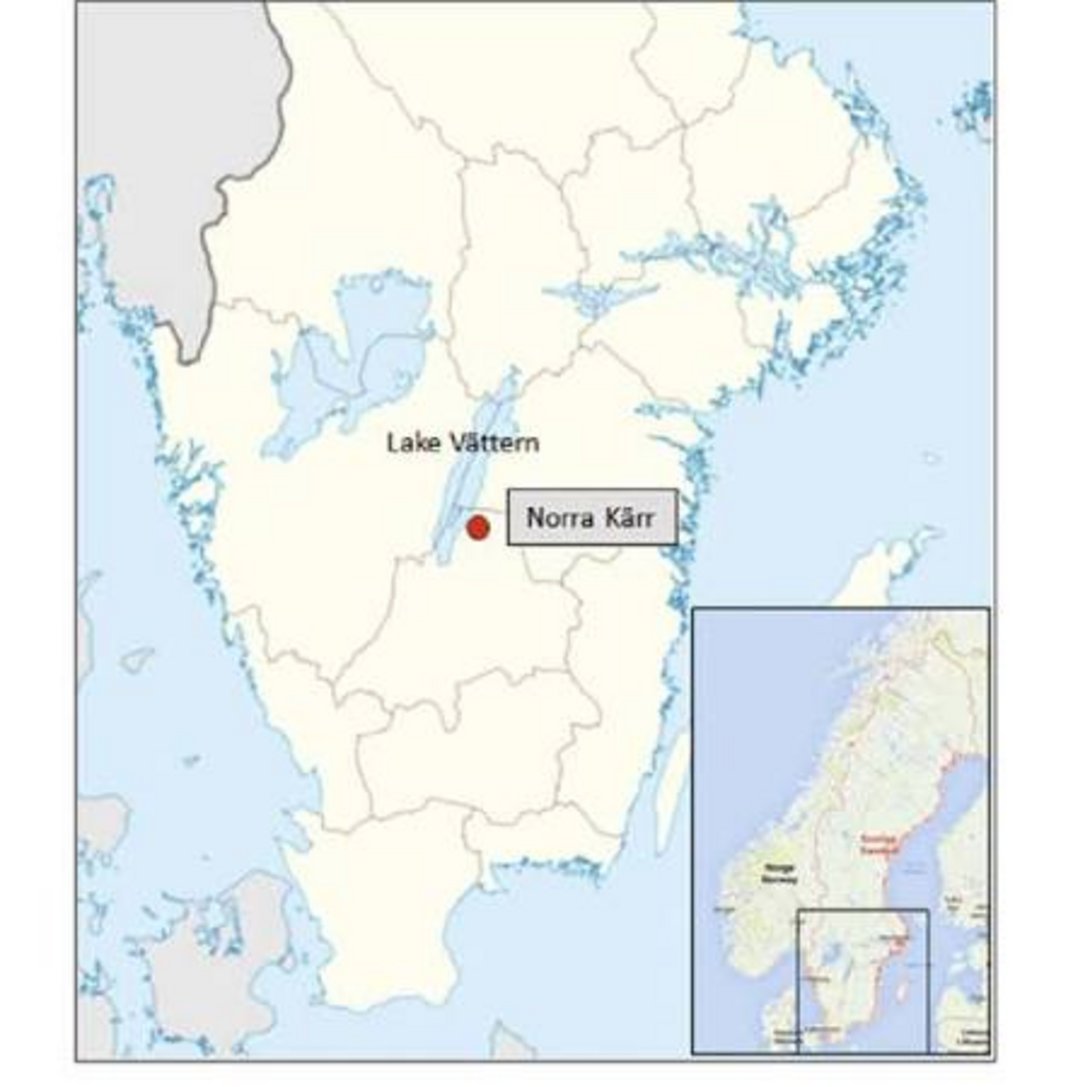
Source: ResearchGate
A Sleeping Giant Stirs
Europe desperately wants its own rare earth supply chain. Sweden has just moved one step closer.
According to the Sweden Herald (opens in a new tab), the Swedish government approved a processing concession allowing further development of the Norra Kärr rare earth deposit near Lake Vättern. Officials argue the project could help reduce Europe's dependence on Chinese rare earth supply, while parent company Leading Edge Materials gains an important regulatory victory after years of legal and permitting uncertainty. For investors, however, the announcement represents progress—not production.
The Fine Print Beneath the Headlines
The government's action is genuine news. Norra Kärr has long been recognized as one of Europe's more significant deposits containing rare earth elements, including valuable heavy rare earths important for permanent magnets and advanced technologies. But one statement deserves caution: claims that Norra Kärr could satisfy "a large part" of Sweden's or Europe's rare earth needs remain aspirational. Resource size alone does not determine supply. Commercial success depends on recovery rates, metallurgy, permitting, financing, environmental approvals, downstream separation capacity, and ultimately magnet manufacturing—all areas where Europe continues to face substantial gaps.
The Missing Middle
This announcement also highlights Europe's greatest weakness.
Even if Norra Kärr ultimately becomes a producing mine, Europe still lacks sufficient commercial-scale separation, metal making, alloy production, and magnet manufacturing to fully capture the value chain. Mining is only the first link.
Rare Earth Exchanges' view remains unchanged: investors should celebrate permitting milestones—but avoid confusing political momentum with supply-chain independence. Until Europe builds competitive mine-to-magnet capability, China will retain significant strategic leverage regardless of how many deposits receive government approval.
Register today: REEx Marketplace™ (opens in a new tab)


0 Comments
No replies yet
Loading new replies...
Moderator
Join the full discussion at the Rare Earth Exchanges Forum →