
Highlights
- Tanzania's Ngualla deposit holds ~1.6 million tonnes of contained REO, making it one of Africa's most significant undeveloped rare earth projects.
- China's Shenghe Resources acquired 50% of the UK holding company controlling Ngualla in 2024, securing a critical upstream rare earth asset.
- Western governments recognize rare earths as strategic, but private capital has repeatedly failed to finance long-duration projects during depressed price cycles.
- Tanzania's government is pushing for domestic value creation, but policy ambition has yet to translate into a verified rare earth industrial ecosystem.
- Ore without separation remains geology, not sovereignty—whoever builds the processing ecosystem will capture far more value than whoever owns the deposit.
Tanzania's commercial rare earth story is overwhelmingly centered on one project: Ngualla (Peak Rare Earths (opens in a new tab)), one of Africa's most significant undeveloped rare earth deposits. Public JORC disclosures describe approximately 1.6 million tonnes (opens in a new tab) of contained rare earth oxide (REO), hosted primarily in bastnaesite and synchysite with comparatively low thorium and uranium. Yet the bigger story is geopolitical. In 2024, China's Shenghe Resources agreed (opens in a new tab) to acquire 50% of the UK holding company controlling the project, underscoring Beijing's continued ability to secure strategic upstream assets. Rare Earth Exchanges® view: Tanzania has world-class geology. It does not yet have a verified rare earth industrial ecosystem. In Great Powers Era 2.0, the winners will control processing—not simply deposits.
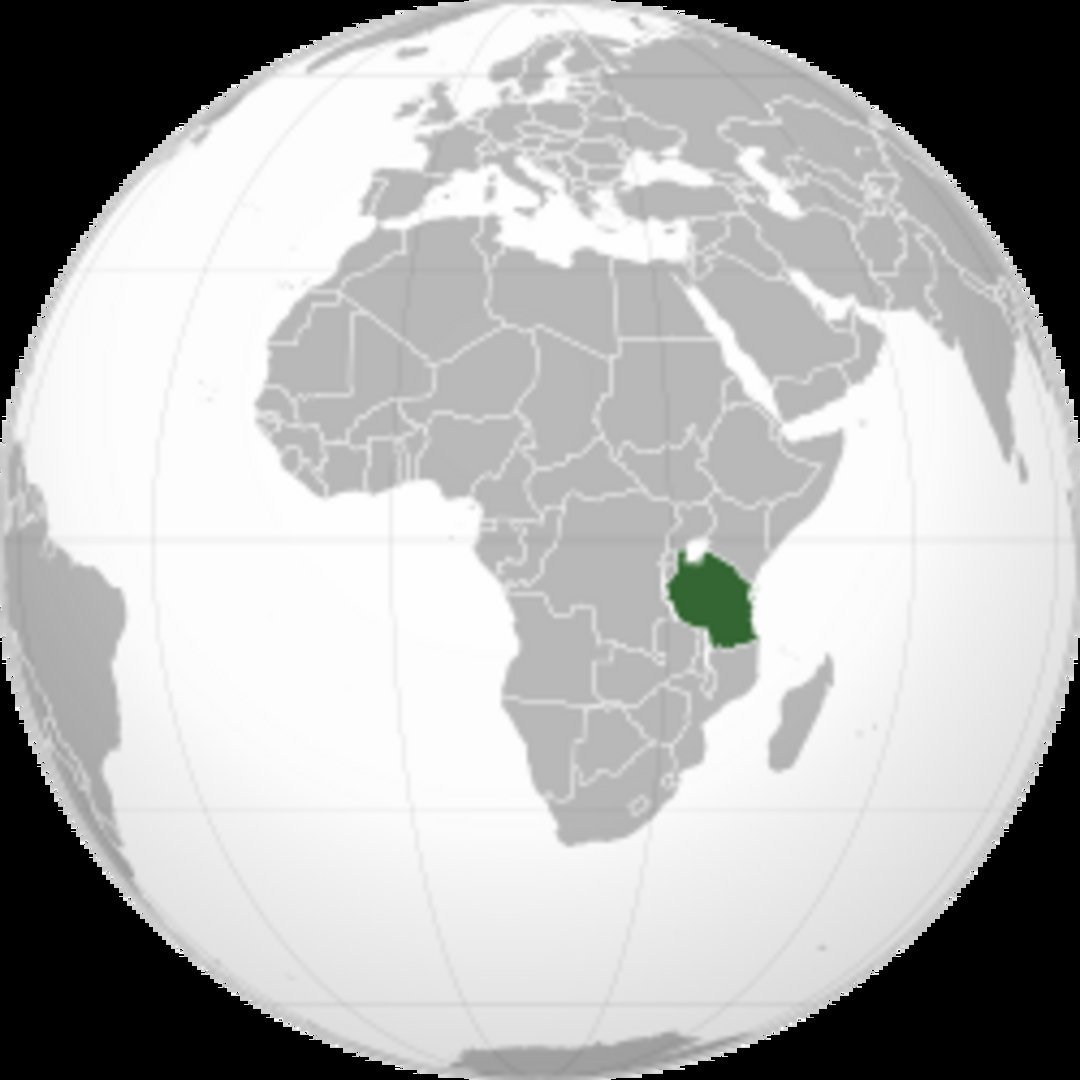
The Hill That Could Reshape Africa's Rare Earth Future
Every critical minerals race eventually arrives at Tanzania. Ngualla, located near Chunya in southwest Tanzania, remains the country's premier rare earth asset and one of the continent's most attractive undeveloped REE deposits. The mineralogy matters as much as the size. Bastnaesite is generally regarded as a more commercially favorable host mineral than many alternative rare earth ores, improving potential project economics. Beyond Ngualla, Tanzania hosts historical prospects such as Wigu Hill, but no other project currently approaches Ngualla's level of technical maturity or public disclosure.
| Project | Principal Players | Stage | Strategic Significance |
|---|---|---|---|
| Ngualla | Peak Rare Earths, PR NG Minerals, Shenghe Resources | Advanced development | One of Africa's leading undeveloped REE deposits |
| Wigu Hill | Historic exploration (STAMICO) | Early stage | Demonstrates additional REE potential but remains far from commercial development |
| Mkiu Village | Hongji Mining, Ministry of Minerals, Government of Tanzania | Early state | Government and company announcements indicate discovery, environmental assessments underway, community compensation planning progressing |
China Didn't Discover the Opportunity. It Finished the Deal.
Perhaps the most overlooked lesson is not geological—it's financial.
Peak Rare Earths spent years attempting to develop Ngualla as part of a largely non-Chinese supply chain. Commercial reality intervened. Weak rare earth prices, limited Western financing, lengthy development timelines, and insufficient strategic capital ultimately opened the door for Shenghe Resources. This represents more than a corporate transaction. It illustrates one of the central themes of Great Powers Era 2.0: announcing industrial policy is easier than financing globally competitive supply chains.
The episode also exposes a persistent Western weakness. Governments increasingly recognize rare earths as strategic, but private capital has remained reluctant to finance long-duration projects during periods of depressed rare earth prices. China, by contrast, has repeatedly demonstrated a willingness to invest through commodity cycles.
The Government Wants More Than a Mine
President Samia Suluhu Hassan's (opens in a new tab) government has made mining a strategic pillar of national development. Key institutions—including the Ministry of Minerals, led by Anthony Mavunde, (opens in a new tab) the Mining Commission, the Geological Survey of Tanzania (opens in a new tab), and STAMICO (opens in a new tab) and other players—are increasingly shaping mining policy and domestic value creation.
Yet investors should recognize the distinction between policy ambition and industrial capability. Tanzania has demonstrated a willingness to intervene in resource markets, including recent gold marketing reforms, suggesting that regulatory risk remains part of the investment equation.
Another question deserves close attention. If Mkiu Village advances into commercial production, Tanzania could transition from a one-project rare earth jurisdiction into a genuine multi-project strategic district. That would materially strengthen the country's negotiating position with global partners while increasing competition among Chinese, Western, and regional investors. For now, however, Ngualla remains the benchmark against which all other Tanzanian rare earth projects should be measured.
The Missing Factory
One omission stands out. Neither the United States nor Europe has established a major processing, separation, or magnet manufacturing presence in Tanzania comparable to China's strategic position around Ngualla. Western governments continue to champion critical mineral diversification, yet Tanzania demonstrates how difficult it has been to convert policy into industrial investment. Ore without separation remains geology—not sovereignty.
Neither the United States nor Europe has established a meaningful rare earth separation, metal-making, alloy, or permanent magnet manufacturing presence in Tanzania comparable to China's strategic positioning around Ngualla.
REEx Bottom Line
Great Powers Era 2.0 is creating a new class of strategically important nations. Tanzania has the geology to become one of them. The next chapter, however, will not be written by geologists alone. It will be written by metallurgists, chemical engineers, manufacturers, financiers, and policymakers. Whoever builds that ecosystem will capture far more value than whoever simply owns the ore.
Register today: REEx Marketplace™ (opens in a new tab)


1 Comment
1 reply
Loading new replies...
Active member
Join the full discussion at the Rare Earth Exchanges Forum →