
Highlights
- India's National Critical Minerals Mission spans exploration, stockpiling, magnet manufacturing, and international partnerships, yet midstream capacity remains critically underdeveloped.
- China's dominance was built through decades of chemical processing, metallurgy, and magnet manufacturing expertise—not mining—giving it a strategic moat India has yet to breach.
- Observer Research Foundation warns that commercial-scale separation, refining, metallization, and alloy-making are the missing industrial heart of India's rare earth strategy.
- Producer nations like Brazil increasingly demand technology transfer and domestic value addition, reshaping how resource partnerships are structured in the Great Powers Era 2.0.
- For rare earth investors, India's shift from resource security to industrial sovereignty may redefine the next global balance of power in critical mineral supply chains.
India has assembled one of the world's most ambitious critical minerals policy frameworks, spanning exploration, stockpiling, magnet manufacturing, and international partnerships. Yet a new analysis from the Observer Research Foundation argues that the country's greatest weakness remains the same one confronting most Western nations: the midstream. For investors, the lesson is simple. Owning the ore is not enough. In the rare earth business, value, leverage, and national power increasingly reside in separation, refining, metallization, and magnet production.
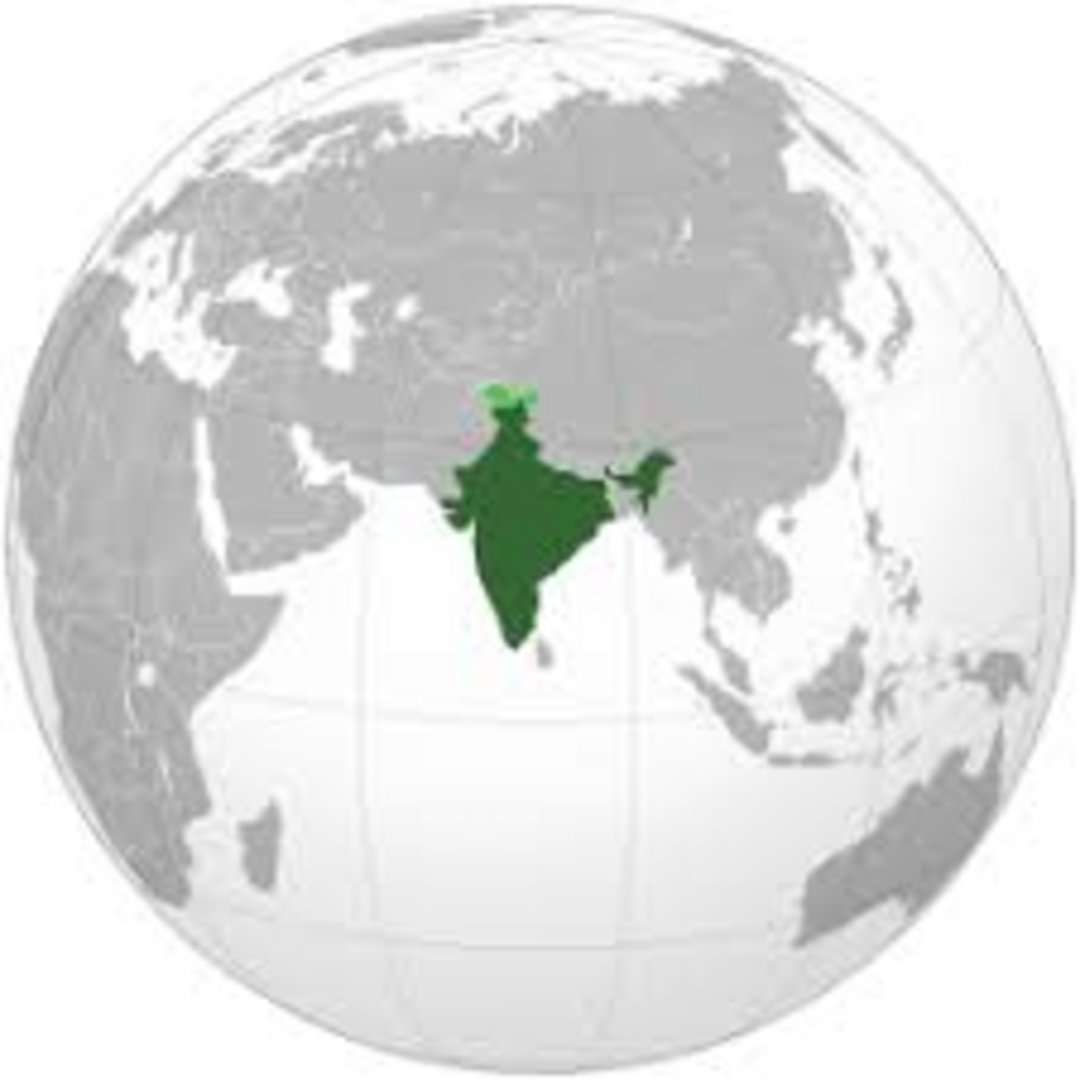
India Has the Minerals. China Owns the Chemistry.
The rare earth race is entering a new phase. India has launched the National Critical Minerals Mission, established strategic stockpiles, funded domestic magnet production, auctioned critical mineral blocks, and expanded overseas resource partnerships from Australia to Brazil and now even Myanmar. On paper, the strategy appears comprehensive.
Yet the India-based think tank Observer Research Foundation (opens in a new tab) identifies a critical weakness: India still lacks meaningful commercial-scale separation, refining, metallization, and alloy-making capacity—the industrial heart of the rare earth supply chain.
Where the Analysis Strikes True
The think tank's central argument is difficult to dispute. China's dominance was never primarily about mining. It was built through decades of investment in chemical processing, metallurgy, magnet manufacturing, workforce development, and industrial know-how. As REEx has repeatedly observed, the mine is merely the beginning. The strategic leverage—and most of the economic value—resides downstream. The report is also correct that producer nations such as Brazil increasingly demand technology transfer and domestic value addition rather than simply exporting raw materials. This trend is becoming a defining characteristic of Great Powers Era 2.0.
The Reality Beneath the Strategy
The analysis may actually understate the challenge. Building a separation plant is difficult. Building an integrated mine-to-magnet ecosystem is exponentially harder. It requires intellectual property, chemical engineering expertise, specialized equipment, environmental permitting, trained personnel, and years of operational experience.
That is China's real moat.
For rare earth investors, the takeaway is profound: India is no longer pursuing resource security alone. It is pursuing industrial sovereignty. Whether it succeeds may help determine the next balance of power in the global rare earth supply chain.
Did You Know?
India is rapidly emerging as one of the most important nations in the global critical minerals and rare earth race.
- #1 in population, with more than 1.4 billion people.
- The world's largest democracy, conducting elections on a scale unmatched anywhere on Earth.
- The world's fourth-largest economy by nominal GDP, behind only the United States, China, and Germany.
- One of the largest English-speaking nations in the world, giving it a significant advantage in global business, technology, science, and finance.
- Home to an expanding manufacturing sector, growing technological capabilities, and ambitious critical minerals policies aimed at reducing dependence on foreign supply chains.
- Possesses significant rare earth resources, including an estimated 7.23 million tonnes of rare earth oxides contained in monazite deposits along its coastline.
In the emerging Great Powers Era 2.0, India is increasingly positioning itself not merely as a source of minerals, but as a future industrial power seeking greater control over refining, manufacturing, technology, and strategic supply chains.
Register today: REEx Marketplace™ (opens in a new tab)
Discover companies, projects, pricing intelligence, and opportunities across the global rare earth value chain at the REEx Marketplace: https://marketplace.rareearthexchanges.com/signup (opens in a new tab)


0 Comments
No replies yet
Loading new replies...
Moderator
Join the full discussion at the Rare Earth Exchanges Forum →