
Highlights
- Neo Performance Materials has commissioned Europe’s first heavy rare earth separation line in Estonia, producing dysprosium and terbium oxides—critical materials for EV motors and defense systems.
- While technically significant, the production remains small-scale and depends on external feedstock, making it a commissioning milestone rather than true supply chain independence.
- The development matters strategically: any credible ex-China processing capacity for heavy rare earths addresses a critical bottleneck, even if China still controls 90% of global processing.
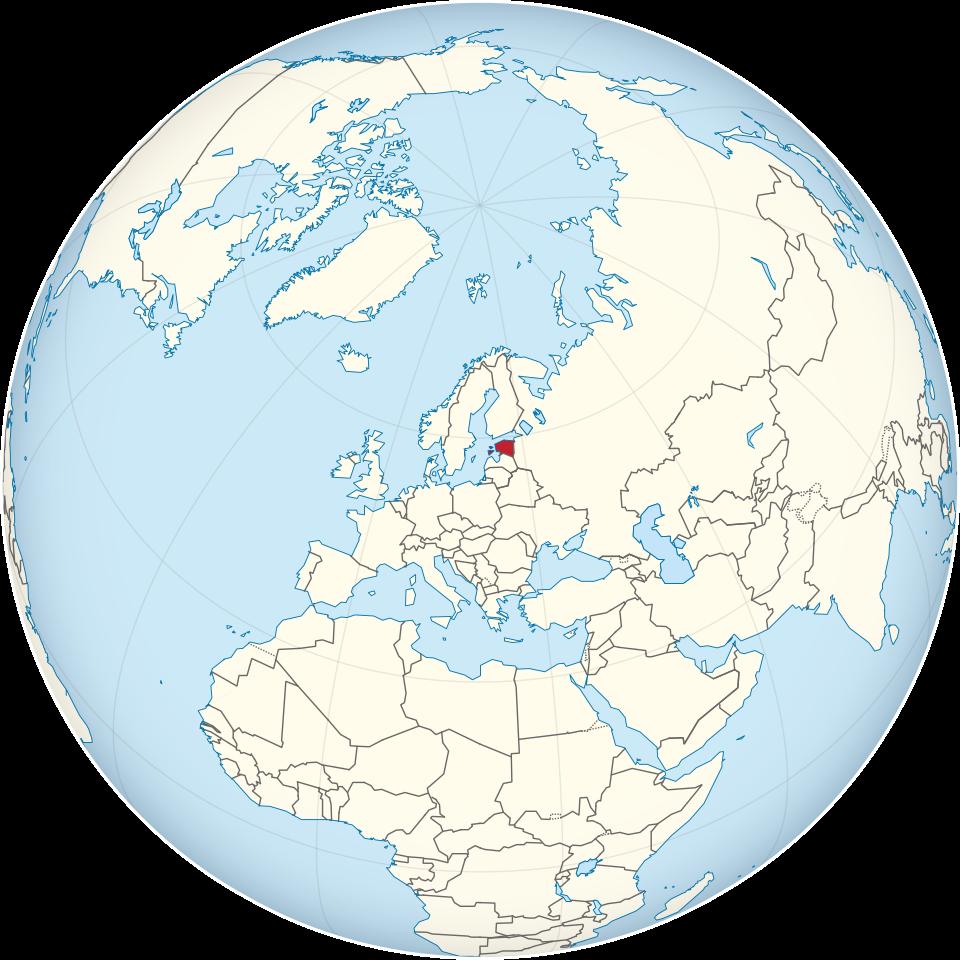
Neo Performance Materials (opens in a new tab) has begun producing small volumes of heavy rare earth oxides—specifically dysprosium and terbium—at its Silmet facility in Estonia, marking a notable step toward Europe-based processing. While technically meaningful, the development remains early-stage, with scale, consistency, and true supply chain independence still unresolved.
The First Grams of Independence—Or Just a Signal?
In a world where rare-earth supply chains are measured in geopolitics, not grams, Neo Performance Materials’ announcement lands at the right time. The company has successfully commissioned a solvent extraction line in Estonia, producing its first batch of separated heavy rare-earth materials—dysprosium and terbium—essential to high-performance magnets powering EVs, robotics, and defense systems.
This is not a scale. This is proof of life.
Engineering Reality: What’s Solid Beneath the Headlines
Let’s separate fact from narrative:
- Neo is indeed producing separate heavy rare-earth oxides—this is technically significant.
- The Silmet facility has long been one of the few non-China rare earth processors, so expansion into heavies matters.
- Integration with its Narva magnet plant (~2,000 t/year capacity) creates a rare ex-China “mine-to-magnet-adjacent” ecosystem.
This aligns with a hard truth: heavy rare earth separation—not mining—is the real bottleneck. Neo has taken a credible step into that bottleneck.
Where the Story Leans Forward Faster Than the Facts
The language of “secure European supply” deserves scrutiny.
- Feedstock still matters—and likely originates outside Europe
- “Small-scale” production is not industrial throughput
- Purity stabilization is still underway before routine output
Translation: this is commissioning, not dominance.
There is also a subtle narrative bias common in Western reporting: equating capability with independence. In rare earths, that leap is almost always premature.
Why This Actually Matters (More Than the Market Reaction)
Markets shrugged. They shouldn’t. Dysprosium and terbium are the pressure points of the entire magnet supply chain—especially for high-temperature performance in EV motors and defense systems. Any credible ex-China separation capacity, however small, is strategically amplified.
But perspective is everything:
- China still controls ~90% of processing
- Scaling solvent extraction for heavy REEs is brutally complex
- Consistency, cost, and feedstock security—not first production—determine winners
The REEx Take: A Chess Move, Not Checkmate
Neo’s Estonia milestone is real, technical, and strategically aligned with Europe’s ambitions. But it is not yet a supply chain shift—it is an opening move.
In the rare earth world, announcements are abundant. Industrial scale is rare.


0 Comments
No replies yet
Loading new replies...
Moderator
Join the full discussion at the Rare Earth Exchanges Forum →