
Highlights
- The interim US-Iran memorandum reopens the Strait of Hormuz and grants Iran oil-export waivers while deferring nuclear and sanctions issues to future negotiations.
- Crude oil prices fell as traders reassessed geopolitical risk premiums and anticipated additional Iranian supply entering global markets.
- Lower sustained energy prices could improve project economics across mining, mineral processing, and rare earth separation supply chains.
- Iran holds substantial copper, zinc, iron ore, and prospective lithium and rare earth resources that could attract international investment if sanctions ease further.
- The agreement's true significance hinges on whether the next 60 days produce verifiable, durable accords on nuclear activities, regional security, and freedom of navigation.
Today's New York Times analysis (opens in a new tab) advances a central argument: the interim U.S.-Iran memorandum grants Tehran meaningful economic relief while postponing the most difficult nuclear and security concessions until later negotiations. That assessment is broadly consistent with reporting from Reuters, Axios, The Guardian, and other outlets, which describe an agreement that reopens the Strait of Hormuz, permits Iranian oil exports under waivers, and establishes a 60-day negotiating window to address the most contentious aspects of Iran's nuclear program.
Whether this represents a diplomatic breakthrough or a strategic concession remains a matter of debate.
Supporters argue that the memorandum should be judged first by the risks it may have prevented. A prolonged conflict between the United States and Iran carried the potential to expand into a wider regional confrontation, disrupt global shipping lanes, damage energy infrastructure, and inject significant instability into financial and commodity markets. From this perspective, restoring freedom of navigation through the Strait of Hormuz and creating a framework for negotiations constitutes a meaningful achievement. The agreement appears to secure those objectives without requiring a prolonged military campaign, occupation, or broader regional escalation.
Commerce & Prosperity First: Can President Trump Close the Deal?
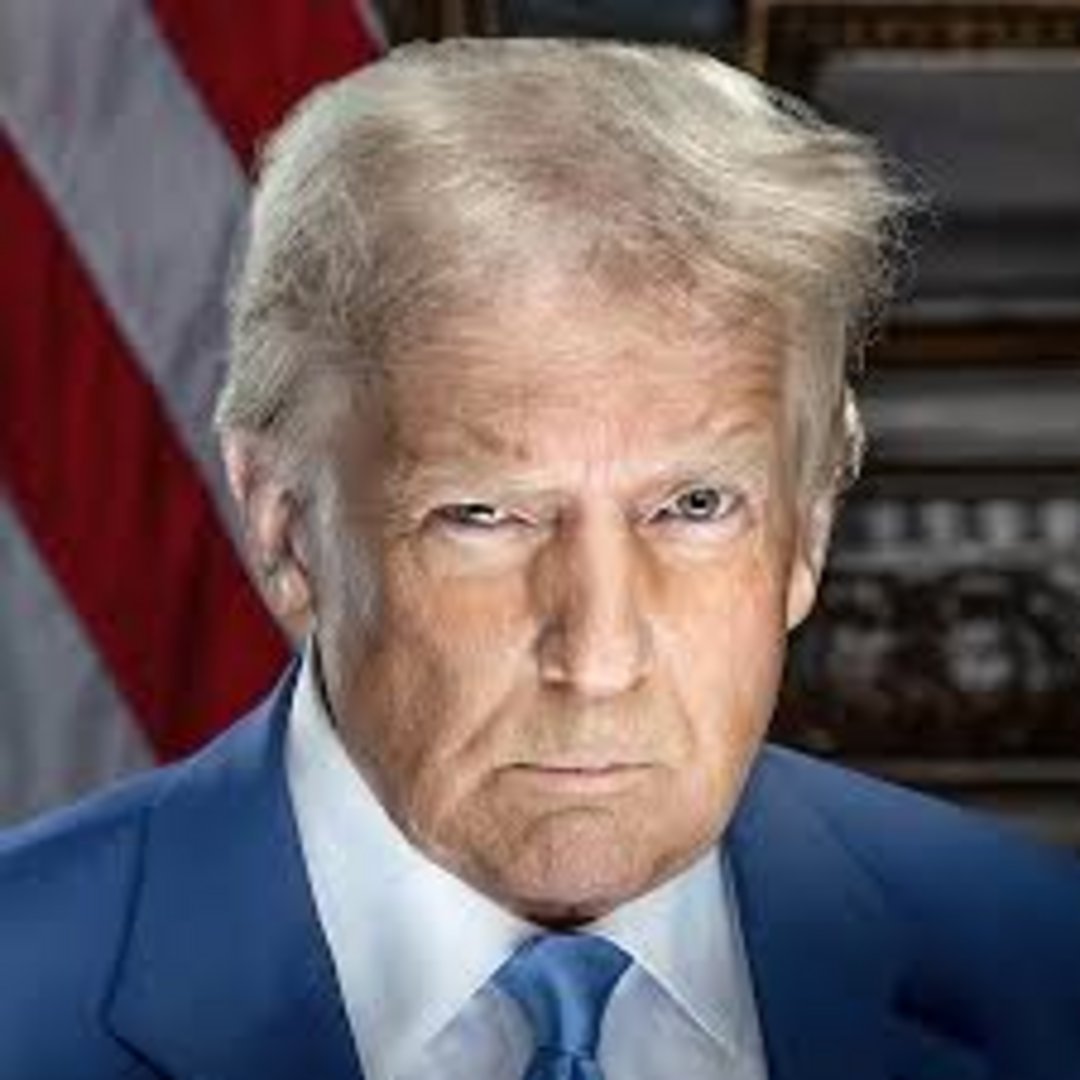
Critics view the same facts differently. They argue that Iran received immediate and tangible economic benefits through oil-export waivers and potential sanctions relief while many of the most difficult questions—including enrichment levels, verification mechanisms, long-term nuclear restrictions, and broader sanctions architecture—remain unresolved. Under this interpretation, Washington delivered concrete concessions today in exchange for commitments that may or may not materialize during future negotiations.
What Markets Care About
Financial markets tend to be less concerned with diplomatic narratives than with economic consequences.
The immediate beneficiary appears to be Iran's economy. Renewed oil exports, access to revenues, and reduced military pressure could provide meaningful economic relief after years of sanctions and economic stress. At the same time, crude oil markets reacted swiftly to the prospect of restored shipping through the Strait of Hormuz and additional Iranian supply entering global markets. Oil prices declined as traders reassessed geopolitical risks and future supply expectations.
For investors, the key question is not who won the first round of negotiations, but whether the agreement reduces long-term uncertainty. Markets generally reward predictability, and the memorandum provides at least a temporary framework for stability.
Implications for Critical Minerals
For Rare Earth Exchanges® (REEx) readers, the second-order effects may prove more important than the diplomatic headlines. Energy is a major cost component across mining, mineral processing, metals refining, and rare earth separation. Sustained declines in oil and energy prices could improve project economics throughout the critical minerals sector while reducing transportation and operating costs across global supply chains.
Longer term, a successful diplomatic process could also reshape Iran's role in commodity markets. Iran possesses substantial copper, zinc, iron ore, and prospective lithium resources, along with underexplored rare earth potential. Should sanctions ease further, these assets could attract renewed international attention. REEx is already investigating resources in Iran, with forthcoming reports.
The Real Test Comes Next
The memorandum itself settles very little. Its ultimate significance will depend on whether the next phase of negotiations produces verifiable and durable agreements on nuclear activities, sanctions, regional security, and freedom of navigation.
If negotiations fail, the current economic and market benefits could prove temporary. If they succeed, the agreement may be remembered as the opening step in a broader reshaping of Middle Eastern energy and security dynamics.
For now, critics of the memorandum argue that Iran appears to be the largest immediate beneficiary, gaining economic relief through renewed oil exports and reduced military pressure. At the same time, the geopolitical risk premium that had supported elevated oil prices has begun to unwind. Yet that framing may be too narrow.
If the agreement succeeds in reopening the Strait of Hormuz, reducing the risk of regional conflict, stabilizing energy markets, and creating a pathway toward a broader settlement, the United States and its allies could ultimately emerge as the larger strategic beneficiaries. In the context of Great Powers Era 2.0, an even bigger question looms: could a recalibration of U.S.-Iran relations unlock a more stable balance of power in the Middle East while reducing opportunities for rival powers to exploit regional instability? REEx suggests this represents a distinct possibility.
History suggests such an outcome would be difficult, but the potential economic and geopolitical upside would be significant, and could potentially be transformative, including propelling Trump as a historic figure despite how the war started. Whether this memorandum represents the first step toward that future or merely a temporary pause in a long-running confrontation will be determined not by today's headlines, but by what unfolds over the next 60 days. Can President Trump close this deal?
Register today: REEx Marketplace™ (opens in a new tab)


0 Comments
No replies yet
Loading new replies...
Moderator
Join the full discussion at the Rare Earth Exchanges Forum →