
Highlights
- The U.S. Army conditionally awarded long-term leases to REalloys, Titan Mining, ioneer, and EnergyX to develop critical mineral processing on military installations.
- Military bases in Utah, Texas, Arkansas, and Alabama will host facilities processing rare earths, graphite, lithium, and boron under the initiative.
- Processing facilities alone cannot recreate resilient supply chains without synchronized mining, refining, magnet manufacturing, and downstream customer ecosystems.
- The real breakthrough is conceptual—if bases become anchors for regional manufacturing clusters, they could accelerate U.S. reindustrialization.
- Investors should look beyond the four selected companies to suppliers, metallization firms, magnet manufacturers, and downstream industries clustering around these sites.
The U.S. Army (opens in a new tab) has conditionally awarded long-term leases to four companies—REalloys (opens in a new tab) (Nasdaq: ALOY), Titan Mining (opens in a new tab), ioneer, (opens in a new tab) and Energy Exploration Technologies (opens in a new tab) (EnergyX)—to develop critical mineral processing facilities on Army installations. The initiative represents a significant shift in U.S. industrial policy, treating military bases as strategic industrial infrastructure rather than simply defense assets. Rare Earth Exchanges' take: This is an important conceptual breakthrough, but investors should ask a more difficult question: Can a handful of processing plants with different focuses recreate the industrial ecosystems that China has spent decades building?

The Pentagon's Industrial Pivot
The Army's initiative goes beyond traditional procurement. Under the conditional lease awards, private companies will design, finance, build, and operate facilities processing rare earths, graphite, lithium, and boron on military installations in states including Utah, Texas, Arkansas, and Alabama. In exchange, the Army expects to receive a portion of processed output while leveraging underutilized military property to strengthen domestic supply chains. This reflects an important evolution in U.S. policy: defense infrastructure is increasingly being viewed as shared industrial infrastructure.
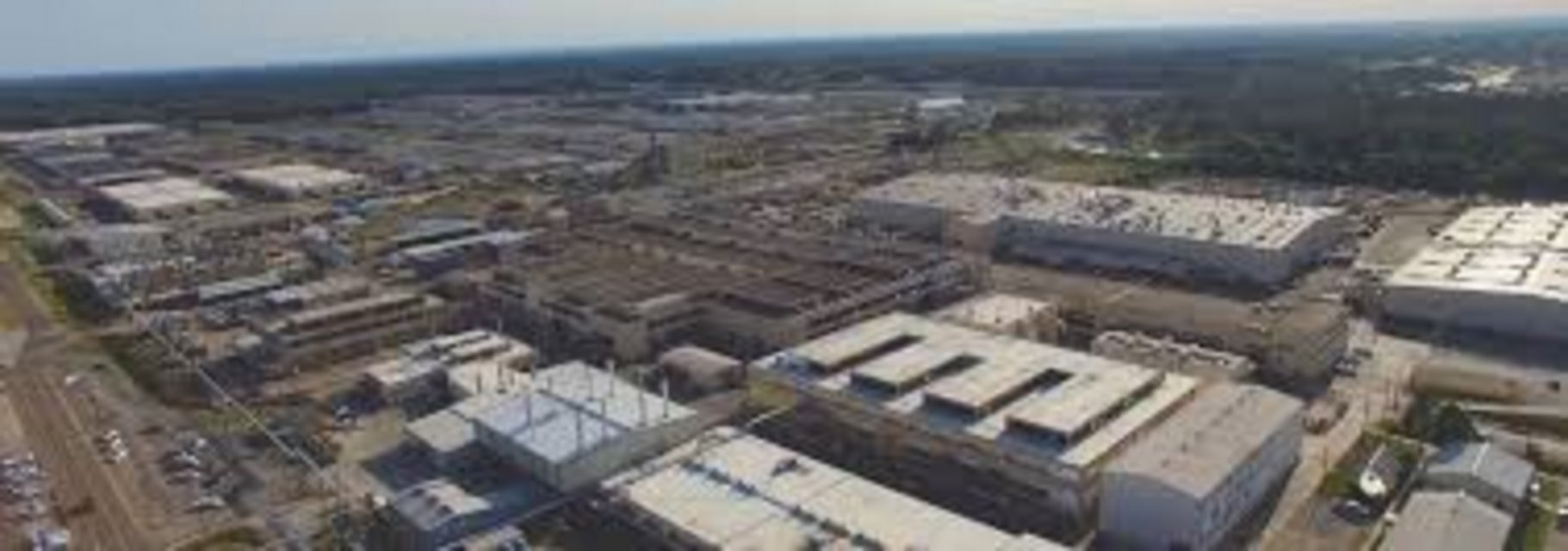
Note that the Red River Army Depot, which is on the border of Texas and Arkansas, represents one of the U.S. Army bases involved with this processing and development facility effort. Part of the Trump administration's push to bring rare earth minerals manufacturing back onshore, as reported (opens in a new tab) by Stephen Feller at UPI.
The Hard Part Begins Now
The reporting via UPI and other sources accurately describes the projects but largely overlooks the bigger challenge.
Processing facilities alone do not create resilient supply chains. Competitive rare earth and critical mineral ecosystems require synchronized development of mining, separation, refining, metallization, alloy production, magnet manufacturing, equipment suppliers, logistics, workforce development, financing, quality systems, and downstream customers.
Military bases may reduce permitting hurdles, provide secure locations, and attract investment. They cannot, by themselves, recreate the industrial clusters that China methodically developed over three decades.
Red River Army Depot
The Investment Thesis
The real breakthrough is conceptual—not metallurgical. If these installations become anchors for regional manufacturing ecosystems, they could accelerate U.S. reindustrialization. If they remain isolated processing facilities, they risk becoming expensive nodes disconnected from the broader value chain.
For investors, the opportunity extends well beyond the four selected companies. Watch for suppliers, metallization firms, magnet manufacturers, workforce programs, and downstream manufacturers that cluster around these sites.
America does not simply need more processing plants. It needs integrated industrial ecosystems. That remains the far more difficult—and potentially more valuable—investment opportunity.
Register today: REEx Marketplace™ (opens in a new tab)


0 Comments
No replies yet
Loading new replies...
Moderator
Join the full discussion at the Rare Earth Exchanges Forum →