
Highlights
- Uzbekistan's state-backed TMK partners with global metals trader Traxys to develop critical minerals supply chains, moving beyond raw extraction to value-added processing and market integration.
- The TMK-Traxys collaboration provides structured financing, offtake agreements, and logistics infrastructure to position Uzbekistan as a new ex-China supply node for rare earths and specialty metals.
- Success depends on providing scalable processing capability, consistent regulatory frameworks, and reliable export infrastructure to become a credible alternative supplier to Western markets.
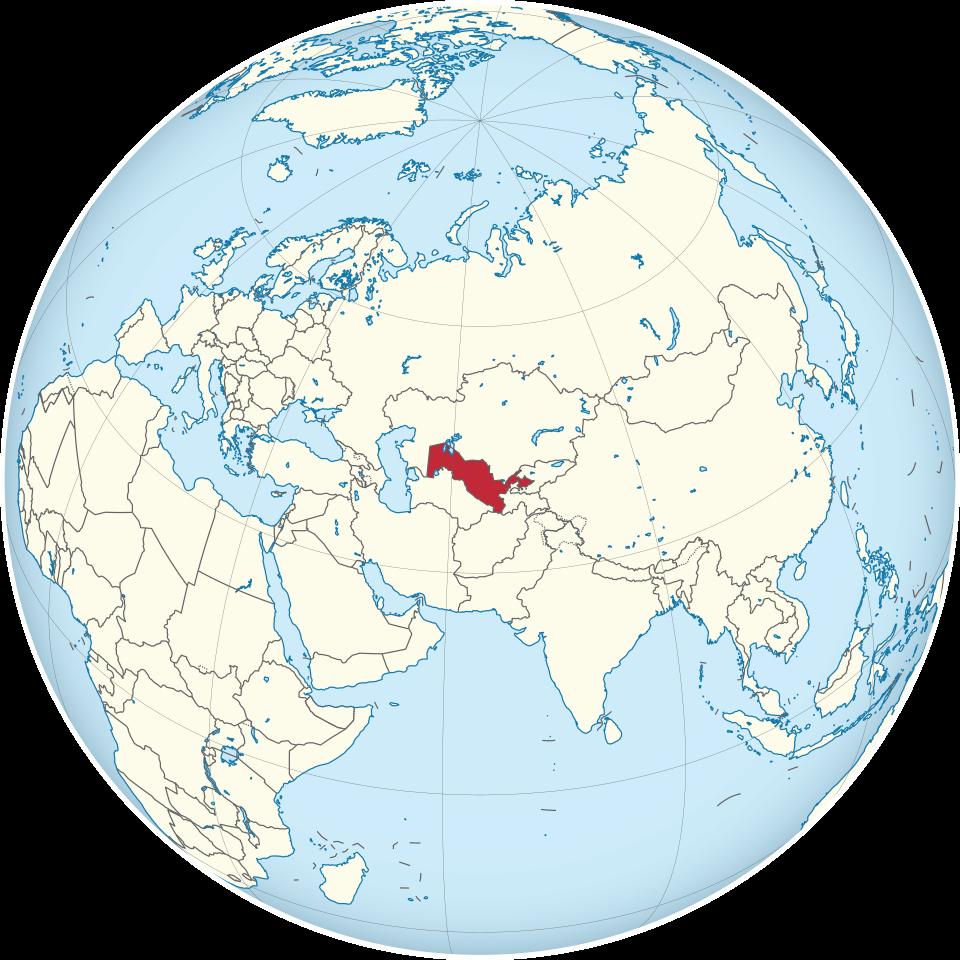
Uzbekistan is taking a meaningful step onto the global critical minerals stage. The Uzbekistan Technological Metals Complex (TMK) (opens in a new tab) has entered a strategic partnership with Traxys North America LLC, a major international metals trader and supply chain financier. The collaboration aims to connect Uzbekistan’s resource base to global markets through integrated logistics, financing, and offtake structures—positioning TMK as a new entrant in the emerging ex-China supply chain.

Who Is TMK? Uzbekistan’s Industrial Ambition Takes Shape
TMK is a state-backed industrial platform designed to develop, process, and commercialize critical minerals, including rare earth elements and specialty metals. The entity reflects Uzbekistan’s broader strategy: move beyond raw material extraction toward value-added processing and downstream integration.
Uzbekistan holds a diverse mineral base, including rare earths, tungsten, molybdenum, and uranium. TMK’s mandate is to transform these resources into market-ready products, supported by modern financing, infrastructure, and international partnerships. In essence, TMK is Uzbekistan’s attempt to build a “mine-to-metal-to-market” ecosystem—a model increasingly seen as essential in Great Powers Era 2.0.
Why Traxys Matters: More Than a Trader
Partnering with Traxys is not incidental—it is strategic. The firm is a global metals merchant and supply chain integrator, known for:
- Structuring offtake agreements and prepayment financing
- Managing logistics across complex international routes
- Bridging producers with Western industrial buyers
Traxys effectively acts as a market maker, de-risking projects by ensuring demand, liquidity, and capital access. For TMK, this means faster entry into global supply chains without building every capability internally.
Strategic Implications: Building a New Supply Node
This partnership signals several important developments:
1. Uzbekistan Moves Up the Value Chain
TMK is not positioning as a raw exporter—it is targeting processed, higher-value outputs, aligning with Western demand for secure and traceable supply.
2. Financing + Offtake = Project Acceleration
With Traxys involved, TMK gains access to structured financing and guaranteed market pathways, reducing one of the biggest barriers to new supply: commercial risk.
3. A New “Ex-China” Supply Option Emerges
While early-stage, Uzbekistan could evolve into a credible alternative node in the global critical minerals network—particularly if it executes on processing and export infrastructure.
The Potential—and the Reality Check
The upside is clear: if TMK successfully integrates mining, refining, and market access, Uzbekistan could become a strategically important supplier to Western markets, especially in rare earths and specialty metals.
But execution risk remains high. Uzbekistan must still prove:
- Scalable processing capability
- Consistent regulatory and investment frameworks
- Reliable logistics and export infrastructure
Without these, the “mine-to-market” vision risks stalling at the development stage.
Bottom Line
The TMK–Traxys partnership is more than a commercial agreement—it is a signal of intent. Uzbekistan is positioning itself as a serious player in critical minerals, leveraging global partners to accelerate integration into Western supply chains.
If successful, this could mark the early formation of a new supply corridor in the global landscape of rare earth and critical minerals—one that investors and policymakers alike should watch closely.


0 Comments
No replies yet
Loading new replies...
Moderator
Join the full discussion at the Rare Earth Exchanges Forum →