
Highlights
- NLC India Limited and CSIR-CECRI signed an MOU to evaluate rare earth and critical mineral recovery from overburden, tailings, and lignite-associated waste at Neyveli mining operations.
- No resource estimates, economic assessments, or commercial production timelines have been announced — the initiative remains early-stage research.
- India joins the US, Australia, China, Canada, and Europe in pursuing critical minerals from secondary and waste sources as a strategic supply chain resilience measure.
- NLC India's leadership involvement in a NITI Aayog committee on secondary resource recovery signals alignment with India's broader national critical minerals strategy.
- If even a fraction of global mining waste proves economically viable, it could gradually reshape the rare earth supply landscape in the Great Powers Era 2.0.
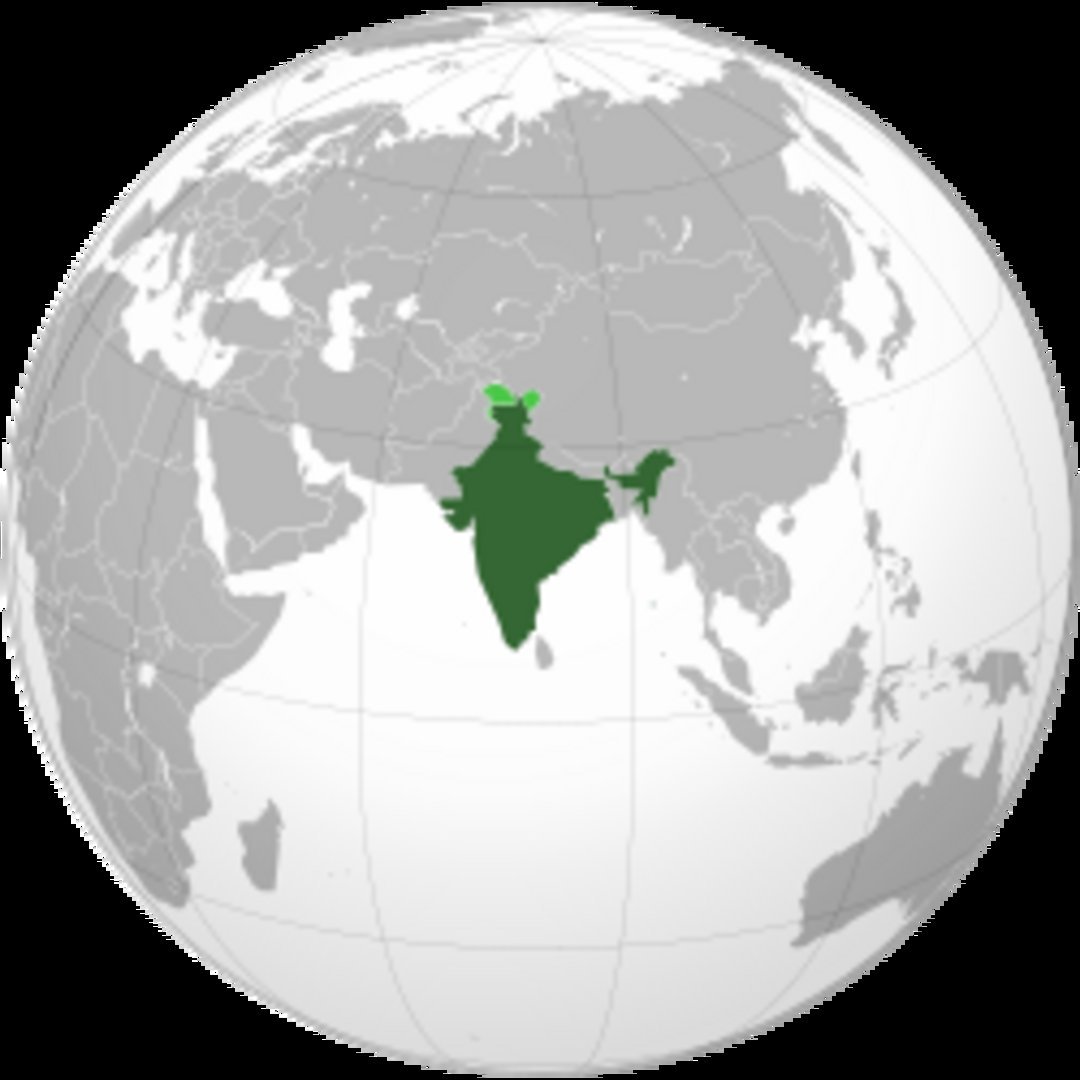
India's state-owned NLC India Limited (opens in a new tab) has signed a research partnership with the Council of Scientific and Industrial Research–Central Electrochemical Research Institute (opens in a new tab) (CSIR-CECRI) to investigate whether rare earth elements and other critical minerals can be economically recovered from mine waste, overburden, and tailings. No discovery, resource estimate, or commercial production has been announced. Yet the agreement highlights a growing global trend: nations are increasingly searching for strategic minerals not only underground, but also in the vast volumes of material already sitting above ground. For rare earth investors, this story is less about today's production and more about tomorrow's potential feedstock.
Digging Through Yesterday's Waste for Tomorrow's Supply
What if the next rare earth deposit has already been mined? That is the question behind a new Memorandum of Understanding between NLC India Limited and CSIR-CECRI. The partnership will evaluate whether overburden, lignite-associated materials, tailings, and other secondary resources generated at NLC's Neyveli mining operations contain economically recoverable rare earth elements and critical minerals.
For non-specialists, the takeaway is simple: India is investigating whether materials long considered waste could become future sources of strategic minerals.
The Global Race Above Ground
This announcement is notable because it mirrors a broader international trend.
The United States is studying critical mineral recovery from coal ash and mine waste. Australia is evaluating historic tailings. China is aggressively pursuing recycling and secondary resource recovery. Canada and Europe are exploring similar opportunities.
India is now joining that movement.
Importantly, NLC India's Chairman and Managing Director serves on a NITI Aayog committee examining recovery of critical and strategic minerals from secondary resources, suggesting the initiative aligns with a broader national effort to improve resource security.
The Line Between Opportunity and Hype
What is confirmed?
- NLC India and CSIR-CECRI signed a Memorandum of Understanding.
- Studies will assess recovery potential from Neyveli overburden and tailings.
- Similar evaluations may expand to other NLC India projects.
What remains unknown?
- No rare earth resource estimate has been published.
- No economic assessment has been released.
- No commercial extraction process has been demonstrated.
- No production timeline exists.
Investors should view this as an early-stage research initiative rather than a mineral discovery or development project.
REEx Take: Great Powers Era 2.0 Reaches the Waste Pile
The deeper story is geopolitical. For decades, China captured disproportionate value from rare earth processing, refining, and manufacturing. In the Great Powers Era 2.0, nations increasingly prioritize resilience over efficiency and seek greater control over critical mineral supply chains. India's move reflects that shift. Future rare earth supply may come not only from new mines, but from old waste streams, abandoned tailings, and previously overlooked byproducts. Most such projects will likely prove uneconomic. A few may not.
If even a small percentage of the world's mining waste can be transformed into viable sources of rare earth elements and critical minerals, the global supply map could gradually begin to change.
Source Note: The announcement was reported by Business Standard based on information provided by NLC India Limited. No independent resource estimates, metallurgical studies, economic assessments, or technical validation were included in the release.


0 Comments
No replies yet
Loading new replies...
Moderator
Join the full discussion at the Rare Earth Exchanges Forum →