
Highlights
- Xi Jinping used China's National Science and Technology Awards Conference to declare technological innovation the cornerstone of economic modernization and national security through 2035.
- The 15th Five-Year Plan (2026–2030) is framed as a critical period for China to become a global science and technology powerhouse, with emphasis on faster commercialization of domestic research.
- Top national honors went to pioneers in lithium battery science and radar/defense electronics, highlighting Beijing's strategic technology priorities.
- Xi called for tighter coordination among universities, labs, industry, and government to accelerate technology transfer and reduce dependence on foreign technology.
- Western policymakers and investors are warned that China's state-directed innovation model continues to advance across AI, semiconductors, advanced manufacturing, and critical minerals.
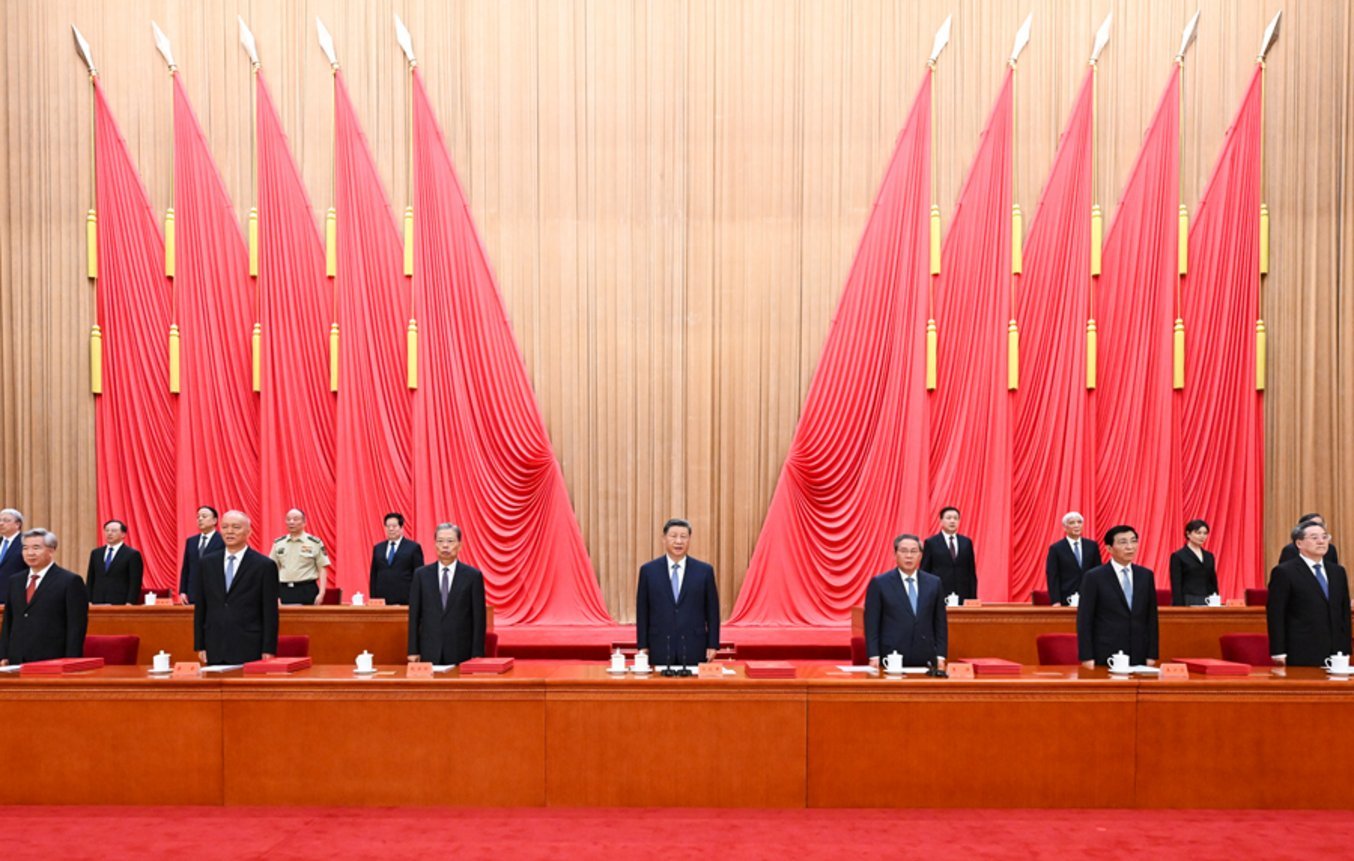
China seeks to elevate science as the engine of economic and strategic power, as Rare Earth Exchanges® continues to warn. Chinese President Xi Jinping used China's premier national science gathering to reinforce a central policy objective: technological innovation will remain the cornerstone of China's economic modernization, industrial competitiveness, and national security through the next decade. Speaking at the National Science and Technology Awards Conference, held jointly with the assemblies of the Chinese Academy of Sciences (CAS), the Chinese Academy of Engineering (CAE), and the 11th National Congress of the China Association for Science and Technology (CAST), Xi described the upcoming 15th Five-Year Plan (2026–2030) as a "critical period" in China's effort to become a global science and technology powerhouse by 2035. Premier Li Qiang chaired the event, joined by senior Communist Party leaders including Zhao Leji, Wang Huning, Cai Qi, Ding Xuexiang, and Li Xi, underscoring that science and technology remain among Beijing's highest political priorities.
Commercialization Takes Center Stage
Beyond celebrating scientific achievement, Xi emphasized accelerating the conversion of research into economic output. He called for stronger technology transfer systems, larger innovation clusters, expanded intellectual property protection, deeper science-focused financial support, and greater research and development investment by Chinese enterprises. He also urged tighter coordination among universities, national laboratories, research institutes, government agencies, and industry to move domestically developed technologies into commercial production more rapidly.
For Western governments and multinational companies, the speech reinforces Beijing's determination to reduce dependence on foreign technology while strengthening indigenous capabilities across strategic industries, including artificial intelligence, semiconductors, advanced manufacturing, biotechnology, aerospace, defense electronics, batteries, and critical minerals.
A More Integrated National Innovation System
Xi outlined additional reforms designed to strengthen China's state-directed innovation model. These include improving research funding efficiency, evaluating scientists based on innovation and practical impact rather than publication metrics alone, expanding support for young researchers, strengthening scientific infrastructure, and improving technology ethics and national security oversight. He also called for closer coordination between central and provincial governments to execute major national research initiatives while increasing China's participation in setting international technology governance standards and promoting what Beijing characterizes as "Chinese solutions" to global scientific challenges.
National Awards Spotlight Strategic Technologies
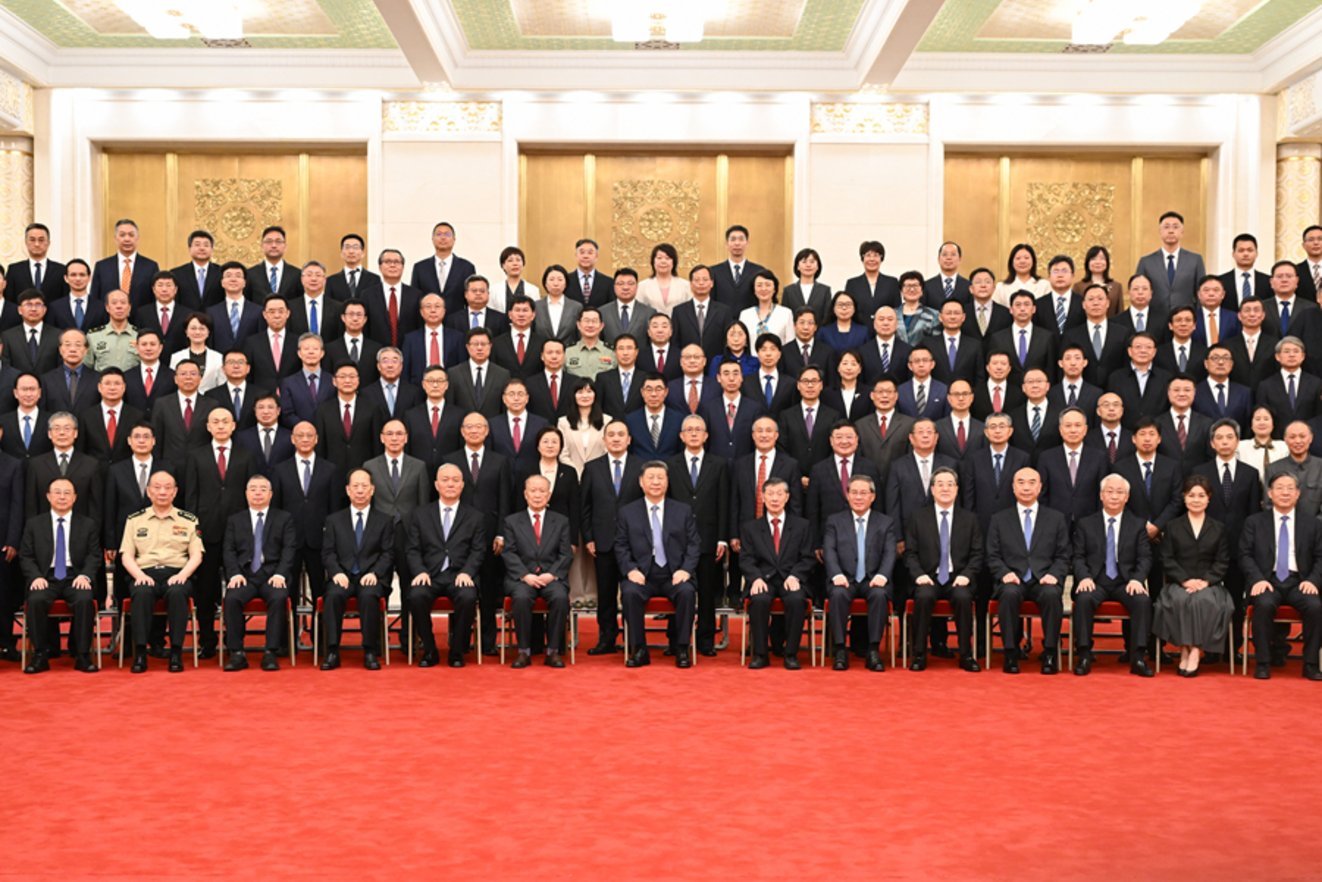
China recognized 258 scientific projects and 11 scientists during the ceremony.
The nation's highest scientific honor was awarded to:
- Academician Chen Liquan, of the Institute of Physics, Chinese Academy of Sciences, for pioneering contributions to lithium battery science and solid-state energy storage.
- Academician Ben De, of the China Electronics Technology Group Corporation (CETC) 14th Research Institute, for major contributions to radar engineering and defense electronics.
Additional awards honored achievements in natural sciences, technological invention, scientific progress, and international scientific cooperation.
Why Western Industry Should Pay Attention
The conference introduced no sweeping new policy initiatives. Instead, it reaffirmed Beijing's long-term strategy of combining state planning, scientific research, industrial policy, and commercial deployment into a single national innovation system.
For Western policymakers, investors, and manufacturers, the significance lies less in the awards themselves than in the political signal: China continues to prioritize technological self-reliance while accelerating the commercialization of domestic innovation. As geopolitical competition increasingly centers on advanced technologies—from semiconductors and artificial intelligence to batteries, defense systems, and critical minerals—Beijing is making clear that science will remain a central instrument of both economic growth and national power.
Disclaimer: This report is based on material published by Xinhua News Agency, the official news agency of the People's Republic of China, and distributed by the China Rare Earth Industry Association. Because the source reflects official state communications, the information should be independently verified where possible.
Register today: REEx Marketplace™ (opens in a new tab)


0 Comments
No replies yet
Loading new replies...
Moderator
Join the full discussion at the Rare Earth Exchanges Forum →