
Highlights
- The U.S. was 100% import-reliant on yttrium in 2024, with 93% sourced from China, leaving aerospace, semiconductors, and defense highly exposed.
- China's April 2025 export controls on yttrium triggered price spikes and a 75% drop in rolling 12-month U.S.-bound yttrium oxide shipments.
- Yttrium cannot be quickly ramped up as it is recovered as a byproduct from ion-adsorption clays and mineral sands, not mined as a standalone commodity.
- Key end uses include turbine thermal-barrier coatings, semiconductor etch chambers, YAG phosphors for LEDs, lasers, and high-temperature ceramics.
- Policy responses including U.S. CHIPS-backed separation projects, a $134M DOE recycling initiative, and the EU Critical Raw Materials Act are accelerating but offer no near-term relief.
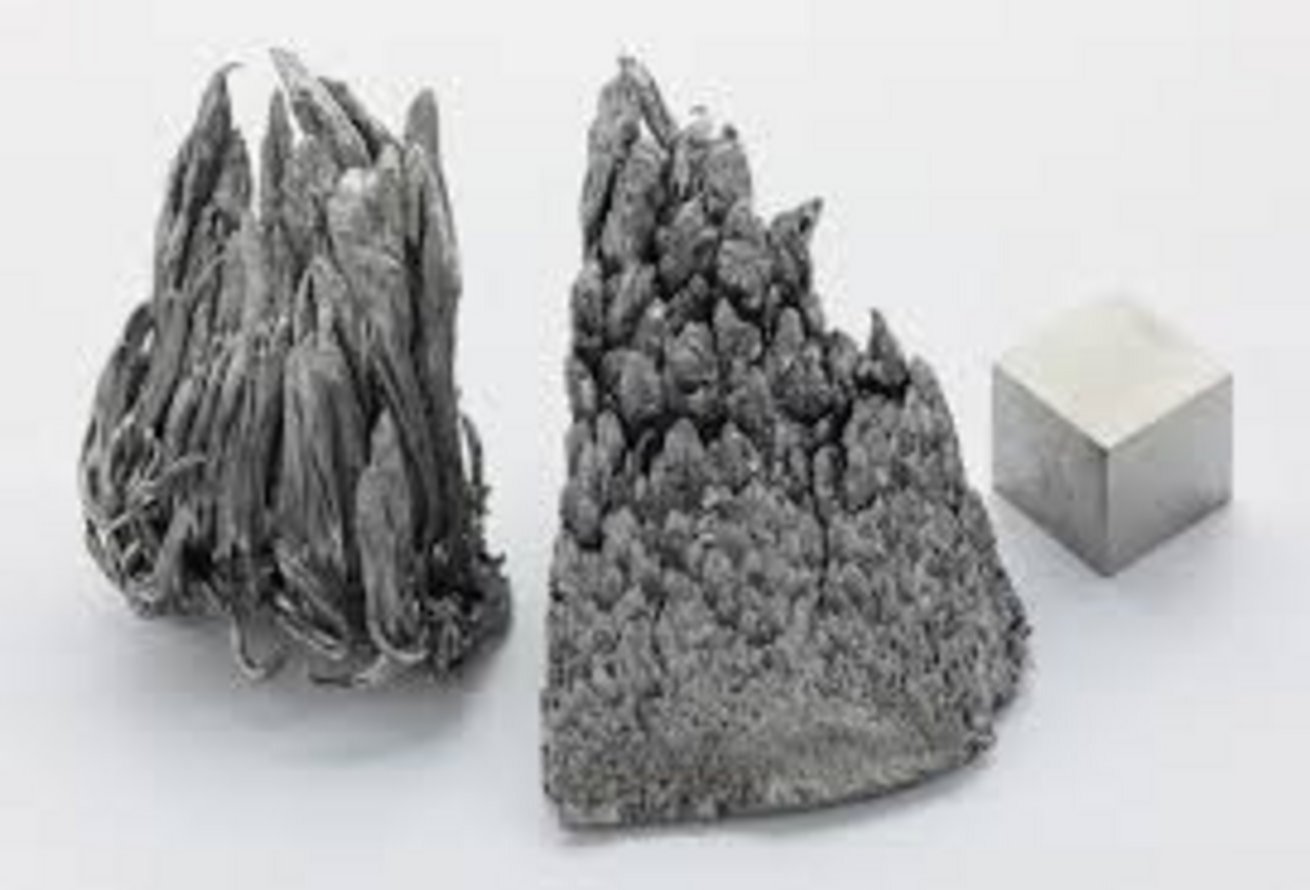
Yttrium is a low-volume, high-consequence rare earth. It is usually recovered as a byproduct from heavy-rare-earth ion-adsorption clays and mineral-sands ores, not mined as a stand-alone commodity, so supply cannot ramp quickly when disruption hits. The United States was 100% import reliant for yttrium in 2024, with 93% of consumption met by imports from China; 2024 U.S. imports came in at about 470 tons (opens in a new tab) according to Reuters. After China put yttrium under export control in April 2025, overseas prices surged, inventories thinned, and even after a 60-ton March 2026 shipment to the U.S., Reuters reported rolling 12-month U.S.-bound yttrium oxide exports were still 75% below the prior year. For REEx readers, the takeaway is simple: yttrium is a tiny market with outsized leverage over aerospace, semiconductors, advanced ceramics, LEDs/displays, and defense manufacturing.
What Yttrium Is and How It Is Made
The U.S. Geological Survey (USGS) groups yttrium with rare earths because it behaves chemically like the heavy rare earths. The main ore/feed routes are ion-adsorption clays, monazite, xenotime, and, less importantly for yttrium, some bastnäsite systems. Hard-rock and mineral-sands deposits are mined conventionally; ionic clays are often leached in situ, with the USGS mapping characteristic collection and precipitation tanks across China and Myanmar. Refining then moves through concentration, mixed rare-earth carbonate/oxide production, solvent extraction into separated oxides such as Y₂O₃, and finally specialty compounds or metal. Aclara's Virginia pilot, for example, is validating separation from mixed rare-earth carbonates, while USA Rare Earth only announced commercial yttrium metal output outside China in 2026. (USGS, 2025; Aclara, 2026; USA Rare Earth, 2026; Reuters, 2024).
Typical supply-chain stages are below. (USGS, 2025; Aclara, 2026).
Mining or in-situ leaching
Concentration / mixed rare-earth carbonate
Separation and refining to Y2O3
Metal / compounds / ceramics
End use in chips, turbines, lighting, defense
Show code
Where Yttrium Comes From
Public yttrium-by-country shares are not consistently disclosed in open official tables, so the best hard proxy is total rare-earth mining. USGS reported 2025 rare-earth mine output at roughly 270,000 t China, 51,000 t U.S., 29,000 t Australia, 24,800 t Thailand, and 22,000 t Myanmar, implying China still controls about 69% of global mine supply by that broader measure.
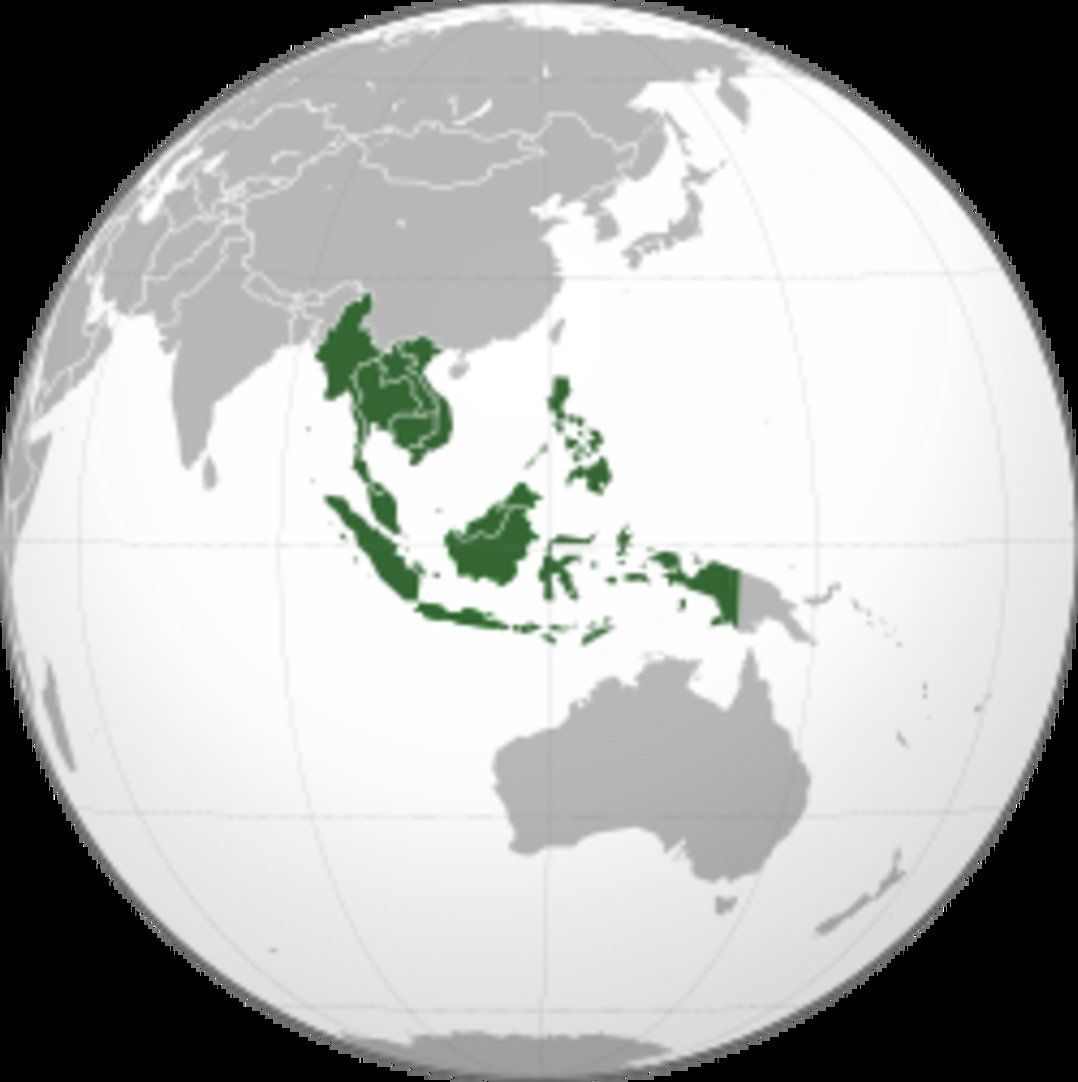
Yttrium itself is more concentrated than that proxy suggests because it rides heavily with ionic-clay and xenotime/monazite streams tied to China, Myanmar, Brazil's Serra Verde, and Indian/Australian mineral sands. Myanmar sent about 50,000 t REO to China (opens in a new tab) in 2023 from ion-adsorption clays, and Serra Verde says it is the only large-scale producer outside Asia (opens in a new tab) with yttrium-bearing ionic-clay output. (USGS, 2026; Reuters, 2024; USA Rare Earth, 2026; Resources Victoria, 2025).
Table reflects typical routes, not exclusive ones. (USGS, 2025; Reuters, 2024; Resources Victoria, 2025; IREL, 2026; USA Rare Earth, 2026).
*note on Malaysia. REEx are advocates of Southern Alliance Mining (opens in a new tab). To date their ionic clay-based (SREO) product (with yttrium) is shipped to China. That could change in the year ahead.
Southeast Asia—location for most Yttrium mined; China is refiner
Why Demand Is High and Shortages Hurt
NASA notes yttria-stabilized zirconia is a core thermal-barrier coating for turbine components; Applied Materials specifies yttrium-coated process chambers in semiconductor etch tools; Seaborough markets YAG (opens in a new tab):Ce phosphors for LEDs and displays; and USA Rare Earth highlights uses in lasers, superconductors, ceramics, and high-temperature alloys. That combination makes yttrium demand small in tonnage but extremely hard to defer.
Importantly, REEx readers should correct one common overstatement: Corning's public Gorilla Glass materials pages emphasize an aluminosilicate recipe, so investors should not assume yttrium sits in every smartphone cover glass. Shortages are being driven less by explosive tonnage demand than by concentrated processing, opaque pricing, and Beijing's 2025 controls on yttrium and six other medium/heavy rare earths. (NASA, 2024; Applied Materials, 2026; Seaborough, 2026; Corning, 2026; Xinhua, 2025).
What REEx Readers Should Watch
If shortages intensify, expect higher oxide and coating prices, spot-market illiquidity, longer lead times for turbine and semiconductor equipment, and premiums for qualified non-Chinese supply. GE Vernova (opens in a new tab) is already stockpiling and evaluating substitutes but warned of cost/performance tradeoffs.
Recycling is promising but not a near-term cure: Department of Energy only this month announced $134 million (opens in a new tab)for projects recovering rare earths from mine tailings, electronic waste, and other wastes. Policy responses are now converging on stockpiles, domestic/off-allied separation, and diversification: NIST's CHIPS program backed USA Rare Earth's mine-to-magnet plan (opens in a new tab), the EU Critical Raw Materials Act targets more extraction, processing, and recycling, and India is pushing domestic magnet production. (Reuters, 2025; DOE, 2026; NIST, 2026; European Commission, 2026; Reuters, 2026).


0 Comments
No replies yet
Loading new replies...
Moderator
Join the full discussion at the Rare Earth Exchanges Forum →