
Highlights
- India's Ministry of Statistics plans to add rare earth and minor minerals to its Index of Industrial Production under a new 2022–23 base year revision.
- The move mirrors early institutional steps China took decades ago when embedding rare earths into state industrial policy through quotas and vertically integrated systems.
- India still lacks large-scale solvent extraction, heavy rare earth separation, and magnet manufacturing capacity needed to compete with China's midstream dominance.
- The revision is an institutional signal, not a processing breakthrough, but in the rare earth sector such signals often precede industrial transformation by years.
Sometimes the most important industrial stories hide inside statistical revisions. India’s Ministry of Statistics and Programme Implementation (opens in a new tab) is preparing a major overhaul of the country’s Index of Industrial Production (IIP), according to reporting (opens in a new tab) by journalist Shishir Sinha in The Hindu BusinessLine. The proposed revision would explicitly incorporate “rare earth and minor minerals” into the Mining and Quarrying category, beginning with the new 2022–23 base year series.
For most readers, that may sound like bureaucratic housekeeping. For investors tracking the global rare earth and critical mineral supply chain, it signals something larger: India appears to be moving critical minerals closer to the center of national industrial planning.
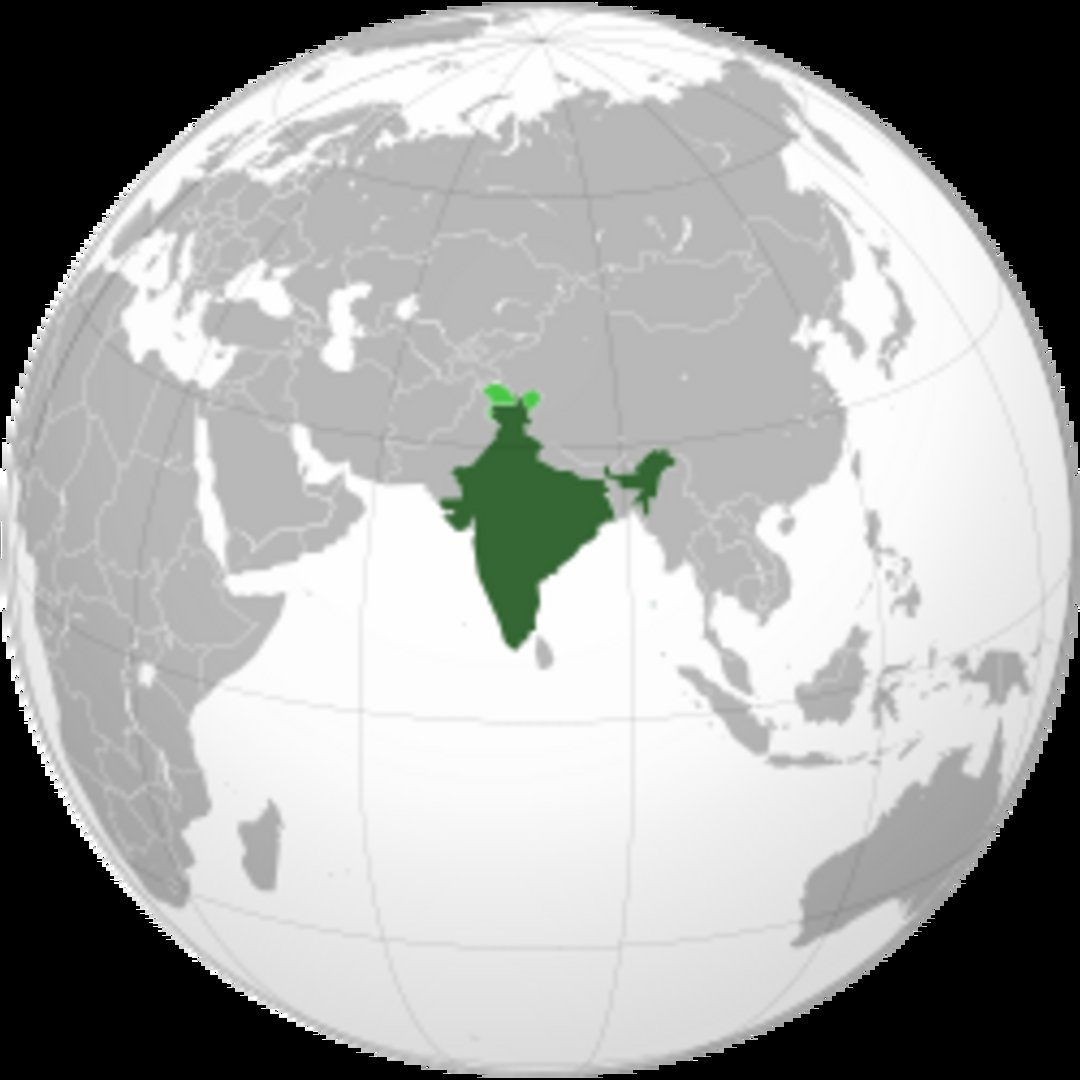
The Statistical Revision That Isn’t Just Statistical
The Technical Advisory Committee on Base Year Revision of the Index of Industrial Production (TAC-IIP) reportedly recommended integrating rare earths into India’s industrial production framework alongside updates involving electricity generation, gas distribution, and water infrastructure metrics.
That matters because governments tend to measure what they increasingly view as strategically important. China embedded rare earths into state industrial policy decades ago through quotas, state-backed processing systems, export controls, and vertically integrated manufacturing ecosystems. India now appears to be taking earlier institutional steps toward recognizing critical minerals as strategic economic assets.
The Missing Pieces Beneath the Headlines
The article is important, but it also leaves out several difficult realities.
India possesses meaningful rare earth resources, particularly monazite-bearing mineral sands concentrated along coastal regions. However, the country still lacks:
· dominant large-scale solvent extraction capability,
· advanced heavy rare earth separation infrastructure,
· globally significant magnet manufacturing scale,
· and deeply integrated downstream rare earth ecosystems comparable to China.
That distinction is critical. The primary bottleneck in rare earths is not mining itself. The real chokepoints remain midstream separation chemistry, metallization, alloying, and magnet manufacturing—areas where China still overwhelmingly dominates global capacity.
A Quiet Geopolitical Signal
The timing is notable. The United States, Europe, Japan, Australia, and India are all attempting—at varying speeds—to reduce dependence on Chinese critical mineral supply chains. India’s decision to formally elevate rare earths within its industrial measurement framework suggests New Delhi increasingly recognizes these materials as strategically important to industrial resilience and advanced manufacturing.
Still, investors should avoid overstating the development. This is not a breakthrough in rare earth processing capability or magnet independence. It is an institutional signal—subtle, but meaningful.
And in the rare earth sector, institutional signals often precede industrial transformation by many years.


0 Comments
No replies yet
Loading new replies...
Moderator
Join the full discussion at the Rare Earth Exchanges Forum →