
Highlights
- Armenia and the US announced a sweeping strategic partnership under the TRIPP framework, including critical minerals and rare earth cooperation agreements.
- Armenia lacks large-scale rare earth separation, metallization, and magnet manufacturing infrastructure, making commercial viability uncertain despite geological potential.
- Key deposits linked to copper, molybdenum, and iron ore systems show promise, with byproduct metals like gallium, indium, and rhenium adding strategic value.
- Significant foreign capital, exploration, permitting, and advanced processing technology would be required before Armenia becomes a meaningful rare earth market participant.
- Armenia's near-term value lies in geopolitical positioning within Eurasian corridor competition rather than immediate industrial rare earth output.
Armenia and the United States announced a sweeping new strategic partnership this week, including agreements tied to the “Trump Route for International Peace and Prosperity” (opens in a new tab) (TRIPP), critical minerals cooperation, and rare earth development. For casual readers, the message is simple: Washington and Yerevan want deeper economic ties, new trade corridors, and future cooperation on strategic minerals. But for serious rare earth investors, the more important question is this: does Armenia actually possess meaningful rare earth leverage—or is this largely geopolitical signaling?
The Corridor Is Real. The Minerals Are Less Certain.
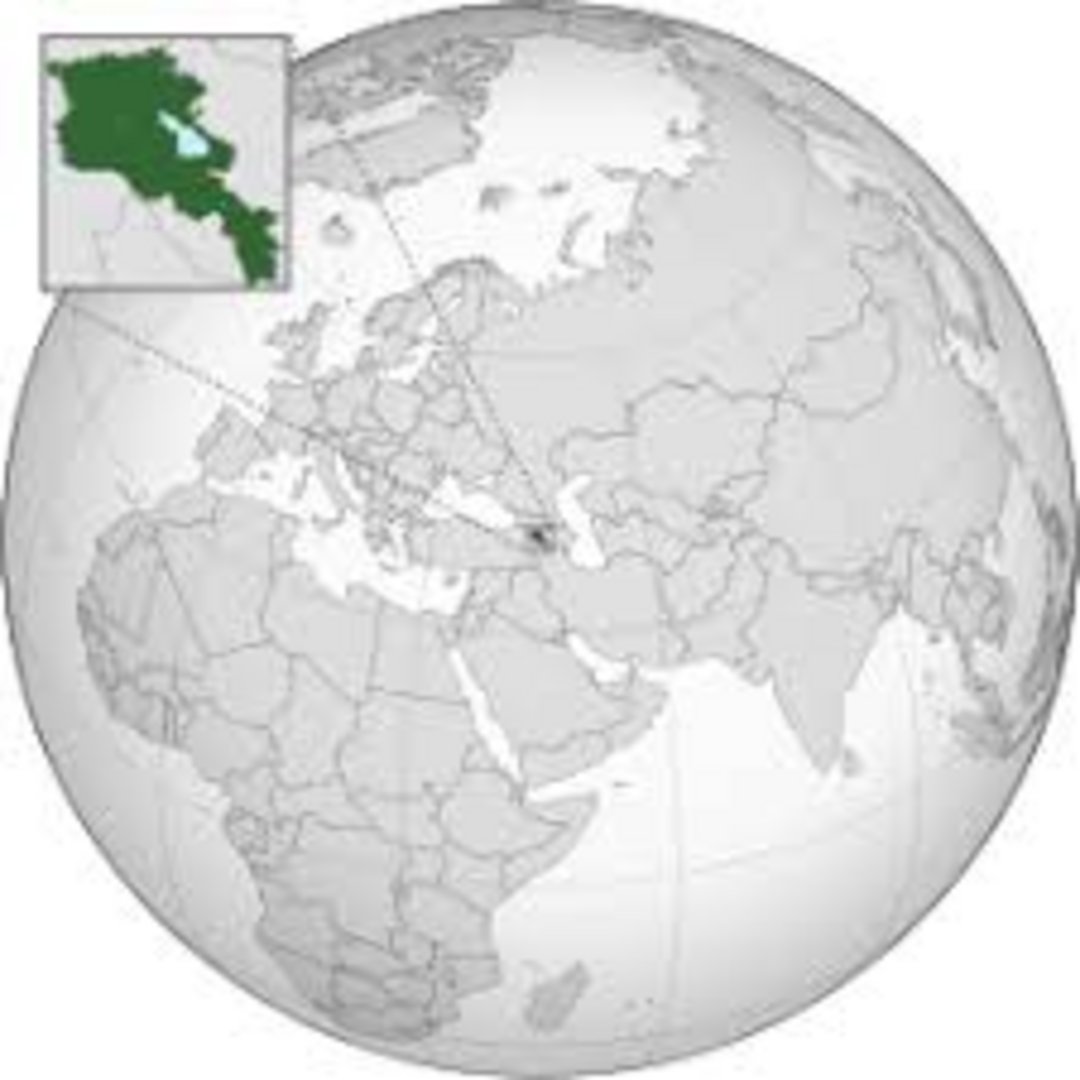
The transportation and geopolitical logic behind TRIPP is credible. Armenia occupies strategically sensitive terrain between Europe, Central Asia, Russia, Iran, and Turkey. Washington increasingly seeks alternative Eurasian trade corridors that reduce dependency on both Russian and Chinese influence. But the rare earth portion of the announcement deserves caution.
Armenia has known mineral resources, including copper, molybdenum, and polymetallic deposits. Yet no globally significant rare earth industrial ecosystem currently exists there. No major separation capability. No metallization infrastructure. No magnet manufacturing base.
That omission matters enormously.
The Fine Print Beneath the Diplomacy
The announcement uses sweeping language: “critical minerals,” “processing,” “strategic partnership,” and “unprecedented opportunities.”
But investors should distinguish memorandums from industrial execution. Rare earth supply chains are not built through diplomatic ceremonies alone. They require solvent extraction systems, chemical supply chains, environmental permitting, downstream manufacturing, power infrastructure, technical labor, and long-term customer qualification.
The deeper significance here is geopolitical. Washington increasingly recognizes that critical minerals are becoming instruments of statecraft. Armenia may prove strategically useful as part of broader Eurasian corridor competition. But at present, this looks far more like early-stage positioning than a transformative rare earth breakthrough. The map may matter before the mine does.
National Profile
Armenia possesses potentially meaningful reserves of rare earth elements and critical minerals, though much of the country’s strategic mineral promise remains underexplored and commercially immature. Key deposits are associated with Armenia’s existing copper, molybdenum, and iron ore systems, particularly the Kaputan iron ore deposit near Abovyan, where some Russian researchers have claimed rare earth concentrations potentially significant on a global scale.
Armenia also hosts valuable byproduct metals including gallium, indium, selenium, tellurium, bismuth, and rhenium—materials increasingly important for semiconductors, defense systems, electronics, and AI-related hardware manufacturing. Recognizing this strategic potential, the United States and Armenia recently signed a framework agreement focused on cooperation in the extraction and processing of critical minerals and rare earths, signaling growing Western interest in diversifying supply chains away from China and Russia.
Still, investors should approach the narrative cautiously. Armenia does not currently possess a developed rare earth industrial ecosystem. The country lacks large-scale separation capability, metallization infrastructure, alloy production, and magnet manufacturing capacity—the true downstream bottlenecks that dominate modern rare earth supply chains. Geological potential alone does not guarantee commercial viability. Considerable foreign capital, exploration work, permitting, infrastructure upgrades, environmental management, and advanced processing technology would be required before Armenia could emerge as a meaningful participant in global rare earth or critical mineral markets. At present, Armenia’s greatest value may be geopolitical positioning and long-term strategic optionality rather than immediate industrial output.


0 Comments
No replies yet
Loading new replies...
Moderator
Join the full discussion at the Rare Earth Exchanges Forum →