
Highlights
- The Chinese Society of Rare Earths convened a special meeting to align its agenda with China's 15th Five-Year Plan covering 2026–2030.
- Chairman Li Bo emphasized Xi Jinping's commitment to scientific innovation and instructed staff to strengthen Party leadership within the organization.
- The meeting highlights China's rare earth ecosystem coordination across government, scientific societies, universities, and state-owned enterprises.
- No commercial breakthrough was announced; the significance is institutional, reflecting long-term strategic planning across research and industry.
- Western nations seeking competitive rare earth supply chains must develop similar alignment among governments, universities, research institutions, and investors.
Rare earth research now becomes more formally part of the Chinese national innovation agenda. China's rare earth scientific establishment is aligning itself with Beijing's next phase of industrial and technological policy. According to the Chinese Society of Rare Earths (CSRE), the organization convened a special meeting on July 13 to study and implement the outcomes of the 11th National Congress of the China Association for Science and Technology (CAST). The meeting was led by Li Bo, Chairman of the Chinese Society of Rare Earths, and chaired by Secretary-General Yang Zhanfeng, with staff reviewing the congress's policy priorities as China enters implementation of its 15th.
Study Session Reviewing the Work Report of the 11th National Congress of the China Association for Science and Technology (CAST)
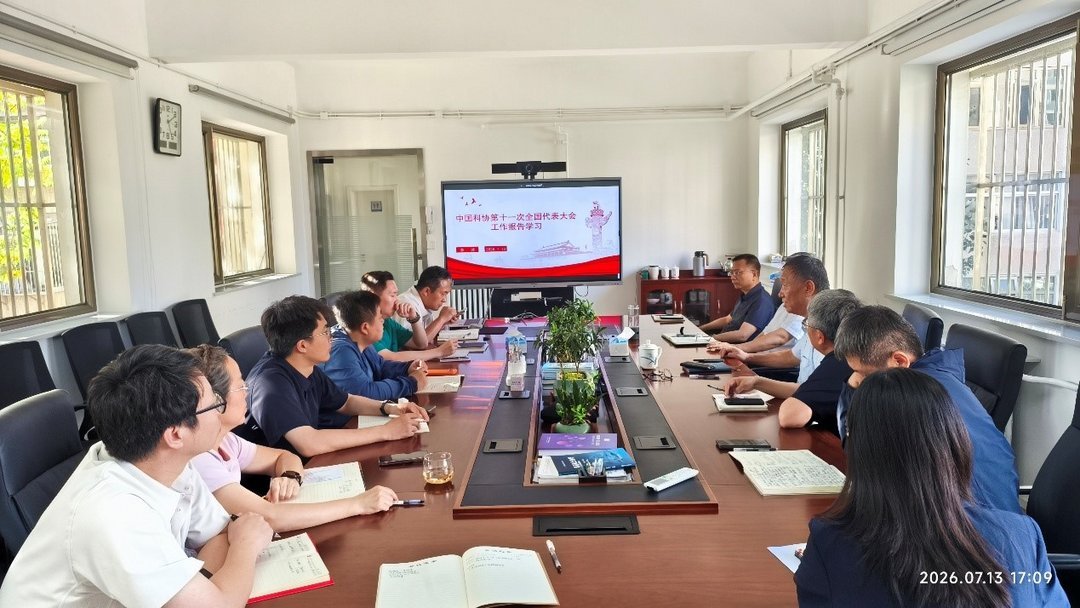
Five-Year Plan (2026–2030).
Science in Service of National Strategy
According to the official summary, Li Bo emphasized that President Xi Jinping's address to the congress reaffirmed the central government's commitment to scientific and technological innovation and outlined priorities for the new Five-Year Plan. Staff were instructed to strengthen Party leadership within the organization while expanding academic collaboration, developing scientific talent, advancing public science education, and providing policy recommendations that support China's strategic objectives in the rare earth sector.
The meeting also reviewed the China Association for Science and Technology's five-year work report, which calls on scientific organizations to contribute to technological self-reliance and the construction of what Beijing describes as a "science and technology powerhouse."
Why This Matters Outside China
No new mine, processing plant, or technological breakthrough was announced. The significance is institutional rather than commercial. The announcement illustrates how China's rare earth ecosystem is coordinated across government, scientific societies, universities, state-owned enterprises, and industry. Scientific organizations are expected not only to advance research but also to support national industrial policy, talent development, and long-term technology priorities.
For Western governments and companies, the lesson is strategic. China's competitive advantage extends beyond mineral resources and refining capacity. It also includes coordinated planning across research, workforce development, industrial policy, and commercialization. Building competitive mine-to-magnet supply chains outside China will require similar long-term alignment among governments, universities, research institutions, manufacturers, and investors.
Disclaimer: This report is based on information published by the Chinese Society of Rare Earths, an organization operating within China's official scientific establishment. The article reflects official policy messaging and organizational priorities and should be independently verified where appropriate.


0 Comments
No replies yet
Loading new replies...
Moderator
Join the full discussion at the Rare Earth Exchanges Forum →