
Highlights
- The Chinese Society of Rare Earths will host its 2026 Annual Academic Conference October 23–26 in Suzhou, uniting researchers, producers, and manufacturers.
- Key sessions cover AI-assisted materials discovery, solid-state batteries, hydrogen energy, advanced ceramics, and light alloys.
- A parallel exhibition will commercialize rare earth new materials and equipment, reinforcing China's lab-to-factory integration strategy.
- China aims to extend its rare earth supply chain dominance into next-generation high-value applications and manufacturing processes.
- Western competitors face the challenge of rebuilding not just magnet capacity but the entire innovation ecosystem surrounding rare earth materials.
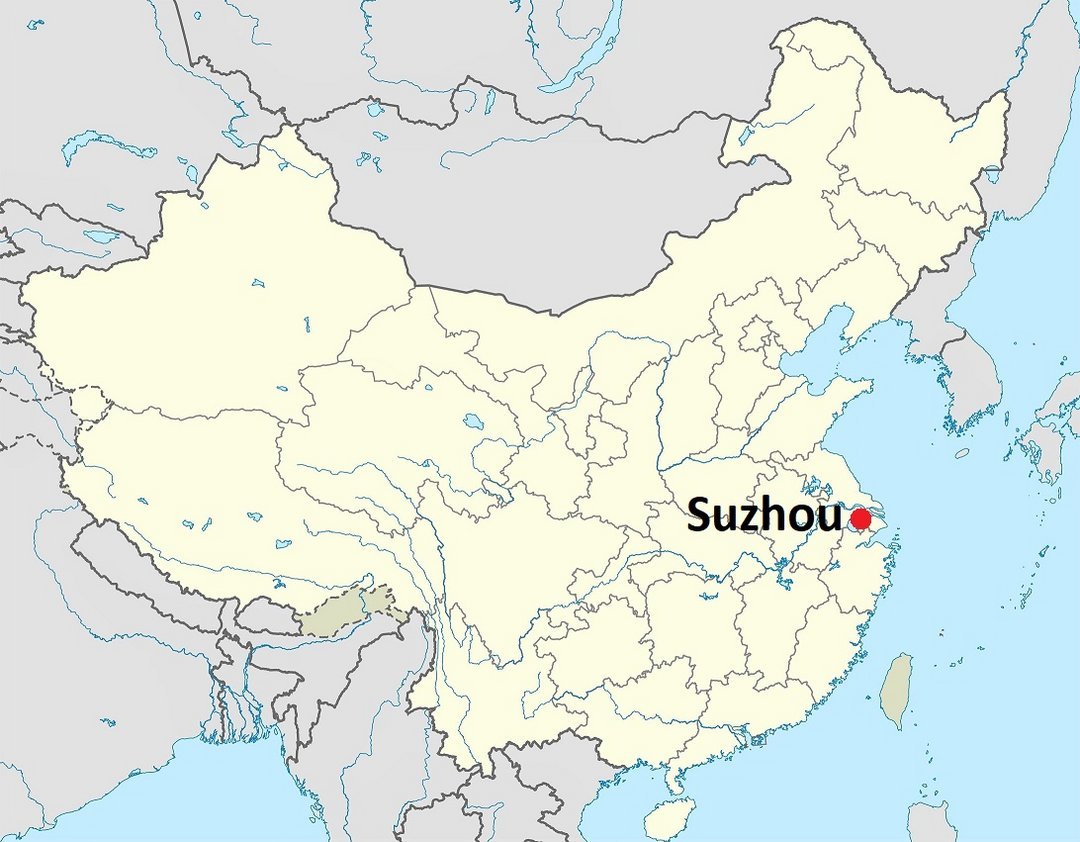
The Chinese Society of Rare Earths will hold its 2026 Annual Academic Conference October 23–26 in Suzhou, bringing together researchers, producers, equipment companies, and downstream manufacturers. The agenda reaches far beyond mining: artificial intelligence, solid-state batteries, hydrogen, energy materials, advanced ceramics, and light alloys feature prominently. For Western investors, the conference offers another reminder that China is working to extend its rare earth advantage from processing into the next generation of high-value materials and applications.
REEx Insight: China Wants the Lab Connected to the Factory
The most revealing phrase in the announcement is easily overlooked: China wants to deepen the integration of “scientific and technological innovation with industrial innovation.” That is Great Powers Era 2.0 in practice. China already dominates much of the rare earth separation, metals, and magnet supply chain. The next competitive frontier, as Rare Earth Exchanges® has continued to report, is converting that infrastructure and accumulated expertise into better materials, manufacturing processes, and downstream technologies. Suzhou is designed to put researchers, equipment makers, processors, and end users in the same room—and accelerate commercialization.
Beyond Magnets: The Agenda Widens
The conference will cover geology, resource development, environmental protection, rare earth chemistry, advanced materials, and industrial policy. But several specialized sessions deserve Western attention: Rare earth materials for hydrogen energy; rare earth energy materials; electrochemistry and solid-state batteries; thermal-protection materials and ceramics; specialty rare earth ceramics; light alloys; and computational methods and AI for developing new rare earth materials.
Based on Rare Earth Exchanges’ review of agendas, priorities are revealed. China appears increasingly interested in using rare earth chemistry as a platform for innovation across energy storage, aerospace materials, metallurgy, and AI-assisted materials discovery. And frankly, this is not new news for REEx community members.
Suzhou Builds the Commercial Bridge
Running alongside the technical sessions will be a Rare Earth New Materials and Instruments & Equipment Exhibition, explicitly intended to promote products and commercialize research. That matters. One underappreciated component of China's competitive advantage is its ability to connect laboratories, pilot development, equipment suppliers, and enormous domestic manufacturing markets.
The West's challenge, therefore, is larger than recreating NdFeB magnet capacity. It must rebuild the innovation ecosystem surrounding the materials themselves.
REEx Disclosure: This report is based on material published by the Chinese Society of Rare Earths within China's state-directed rare earth ecosystem. The conference agenda reflects announced priorities rather than independently demonstrated technological breakthroughs. Material claims and subsequent conference outcomes should be independently verified.


0 Comments
No replies yet
Loading new replies...
Moderator
Join the full discussion at the Rare Earth Exchanges Forum →