
Highlights
- Greenland formally rejected Energy Transition Minerals' licence renewal for Kvanefjeld, one of the world's largest undeveloped rare earth deposits outside China.
- The project has been effectively frozen since 2021 when Greenland banned uranium development, and ETM plans to pursue legal remedies over the decision.
- Jurisdictional certainty and regulatory predictability are emerging as strategic assets as critical as geology itself in the Great Powers Era 2.0.
- Western strategies to reduce dependence on Chinese rare earths depend on mines reaching production, not just appearing in government policy documents.
- The nation best positioned to dominate rare earth supply chains will be the one with the most predictable institutions and the determination to execute, not merely the richest deposits.
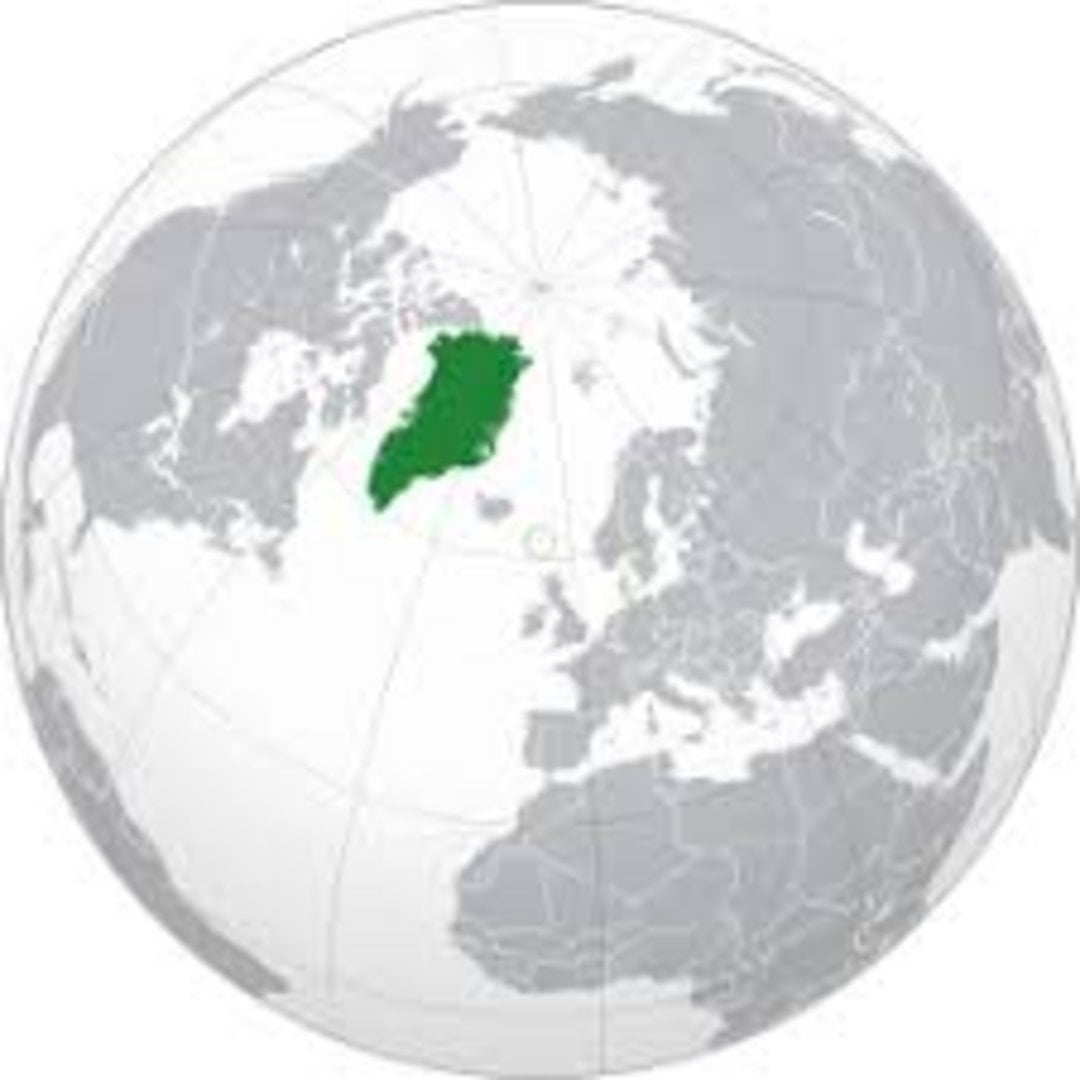
Greenland has formally rejected Energy Transition Minerals' application to renew the exploration license for the Kvanefjeld rare earth project, one of the world's largest undeveloped rare earth deposits outside China. The decision extends years of political, regulatory, and legal uncertainty surrounding a project effectively stalled since Greenland adopted legislation in 2021 prohibiting uranium development. While ETM argues the process was procedurally unfair and politically driven, Greenland, a territory of the Kingdom of Denmark, maintains its decision is consistent with existing law and environmental policy. Regardless of who ultimately prevails through legal channels, one fact is increasingly difficult to ignore: another major Western rare earth project remains sidelined while China continues to strengthen its position across the global supply chain.
Great Powers Era 2.0 Meets Political Risk
Rare Earth Exchanges® has consistently argued that Great Powers Era 2.0 is redefining the critical minerals landscape. Geological resources alone no longer determine strategic advantage. Jurisdictional certainty, permitting efficiency, regulatory predictability, and political continuity have become strategic assets in their own right.
The United States, European Union, Japan, Canada, and Australia have all launched ambitious strategies to reduce dependence on Chinese rare earth supply chains. Yet those strategies ultimately depend on mines reaching production—not simply appearing in government strategy documents.
Kvanefjeld illustrates how quickly world-class geology can become strategically irrelevant when politics overwhelms project execution.
What Is Known—And What Remains Disputed
Several facts are clear.
- Greenland rejected ETM's licence extension application.
- The project has remained effectively frozen since Greenland's uranium legislation fundamentally altered its regulatory pathway.
- ETM has indicated it intends to pursue legal remedies.
- Greenland's government maintains the project is incompatible with current legislation.
By contrast, ETM's allegations regarding procedural unfairness, predetermined outcomes, and regulatory dysfunction remain the company's position and have not been independently adjudicated.
A Pattern Investors Cannot Ignore
As Rare Earth Observer (opens in a new tab) has documented over several years, Greenland has struggled to reconcile its extraordinary mineral endowment with shifting political priorities, environmental concerns, permitting uncertainty, and changing public sentiment toward mining. Investors may differ on individual decisions, but the cumulative effect has been difficult to dismiss: capital increasingly assigns Greenland a higher jurisdictional risk premium than its geological potential alone would suggest.
That matters because global competition increasingly favors jurisdictions capable of moving strategically important projects from discovery to production with regulatory consistency.

REEx Perspective
Kvanefjeld is larger than one licence dispute. It demonstrates that Great Powers Era 2.0 is not simply a contest over who possesses critical mineral deposits. It is increasingly a competition over which jurisdictions can convert those deposits into reliable industrial capacity.
For investors, policymakers, and defense planners alike, the lesson is becoming unavoidable: the world's next rare earth superpower will not necessarily be the nation with the richest deposits—it will be the one with the most predictable institutions, the necessary industrial policy, and the wherewithal, determination, and tenacity to execute. Short-term profit seeking likely won’t be part of the ultimate success equation.
Register today: REEx Marketplace™ (opens in a new tab)


0 Comments
No replies yet
Loading new replies...
Moderator
Join the full discussion at the Rare Earth Exchanges Forum →