
Highlights
- India's Ministry of Statistics is revising the Index of Industrial Production to formally include rare earth minerals alongside advanced electronics and aerospace components.
- The move signals New Delhi views rare earths as a core pillar of long-term economic and geopolitical strategy, not merely an obscure mining commodity.
- China still controls roughly 90% of global rare earth processing, and India lacks a fully integrated downstream ecosystem spanning separation, alloying, and magnet manufacturing.
- Statistical inclusion does not guarantee competitive refining capacity, as permitting, processing chemistry, and commercial economics remain unaddressed.
- The development signals the global rare earth race is expanding well beyond China, the United States, and Australia to include emerging economies like India.
India has made a subtle but potentially significant strategic shift: rare earth minerals are now formally included in the country’s revised Index of Industrial Production (IIP), one of India’s most important economic indicators. The update may appear bureaucratic, but it signals a broader industrial pivot. New Delhi increasingly appears to view rare earths, critical minerals, advanced manufacturing, gas supply, aerospace components, and emerging technologies as core pillars of long-term economic and geopolitical competitiveness. For investors, the move underscores how the global rare earth race is expanding well beyond China, the United States, and Australia.
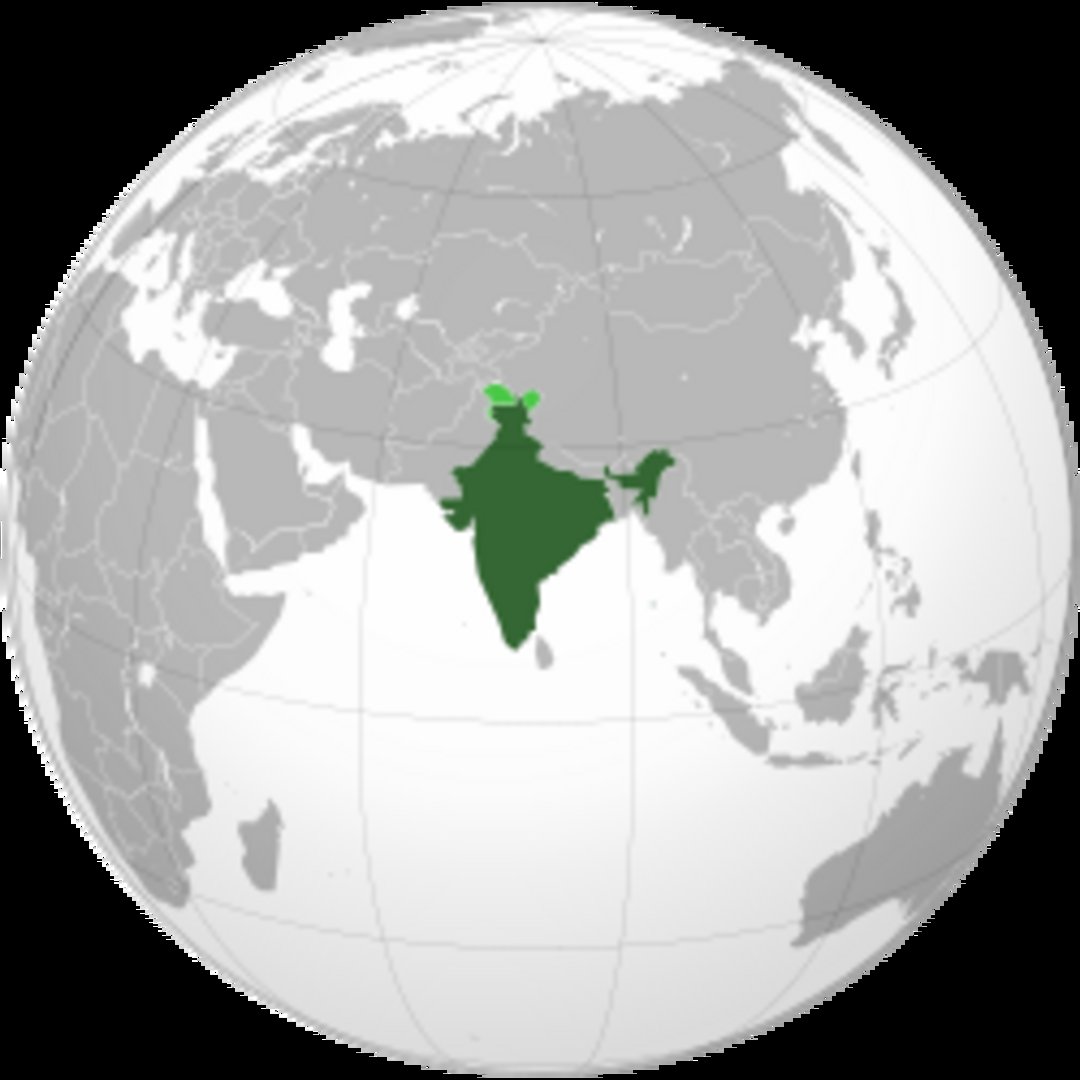
The Geopolitics Hidden Inside a Spreadsheet
Sometimes the most important industrial stories arrive disguised as accounting changes.
India’s Ministry of Statistics and Programme Implementation is revising the IIP base year from 2011–12 to 2022–23 while expanding the index to include rare earth minerals, aircraft and spacecraft parts, advanced electronics, gas supply, water systems, and other emerging industrial sectors.
That matters because governments tend to measure what they intend to prioritize.
Rare earths are no longer treated as obscure mining commodities. They are increasingly being folded into India’s broader industrial planning framework alongside EVs, AI infrastructure, renewable energy, defense manufacturing, and advanced technology systems.
China’s Midstream Dominance Still Defines the Battlefield
The update also hints at something deeper: India increasingly recognizes the strategic importance of the midstream rare earth bottleneck.
China still controls roughly 90% of global rare earth processing and the overwhelming majority of heavy rare earth separation capacity. India possesses mineral potential and technical talent, but has historically lacked a fully integrated downstream ecosystem spanning separation, metallization, alloying, and magnet manufacturing. Including rare earths directly inside India’s industrial production framework suggests New Delhi wants greater visibility into strategic mineral output as it attempts to strengthen domestic supply chains.
What the Headlines Still Leave Unsaid
Investors should remain realistic. Statistical inclusion does not mean India suddenly possesses globally competitive rare earth refining or magnet production capacity. The announcement says little about permitting, environmental constraints, processing chemistry, commercial economics, or how India intends to compete against China’s vertically integrated industrial pricing power. Still, the broader signal is difficult to ignore. Rare earths are no longer peripheral industrial inputs.
They are becoming instruments of national strategy.


0 Comments
No replies yet
Loading new replies...
Moderator
Join the full discussion at the Rare Earth Exchanges Forum →