
Highlights
- The Kachin Independence Organization rejected bilateral negotiations with Myanmar's military junta, demanding comprehensive multi-stakeholder talks instead.
- KIO-controlled territory includes the Panwa–Chipwe mining belt, a critical global source of heavy rare earths dysprosium and terbium.
- Kachin forces seized major mining territory in late 2024, causing border disruptions that interrupted rare earth shipments into Chinese separation plants.
- 98% of the world's heavy rare earth elements are separated in China, making Kachin supply disruptions a direct risk to global magnet supply chains.
- Mine ownership, production volumes, and revenue flows in Kachin remain opaque, leaving investors without audited data on actual supply exposure.
On August 15, 2026, the Kachin Independence Organization (KIO) rejected separate negotiations with Myanmar’s military junta, insisting on comprehensive talks involving all stakeholders. The political stand matters beyond Myanmar: KIO-controlled territory includes the Panwa–Chipwe mining belt, ranked by REEx Insights Heavy Rare Earth Rankings as one of the world’s most important sources of dysprosium and terbium.
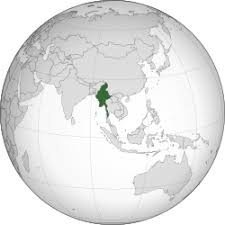
REEx Insight: The Peace Table Sits Above the Mine
As reported via BNI Online (opens in a new tab), China may not have pressured the KIO to attend talks, as spokesperson Colonel Naw Bu maintains. Yet Beijing has a powerful reason to seek stability: Kachin heavy rare earth concentrates flow into Chinese separation plants and eventually into high-temperature magnets used in electric vehicles, drones, and weapons. 98% of the world's heavy rare earth elements are separated in China. The omission in conventional reporting is the mineral map. Negotiations involving ethnic armed organizations are also negotiations around territory, border gates, taxation, and strategic feedstock.
Beijing Cannot Refine Ore That Does Not Cross the Border
The junta has held bilateral meetings with the United Wa State Party, Ta’ang National Liberation Army, National Democratic Alliance Army, and Shan State Progress Party. The KIO argues that this divide-and-negotiate strategy cannot produce national change and remains engaged in fighting.
That position raises supply-chain risk. Kachin forces seized major mining territory in late 2024, and subsequent border interruptions disrupted shipments into China. Reports that Kachin supplied more than half of global dysprosium and terbium in 2023 remain estimates, not audited production data. Mine ownership, volumes, environmental liabilities, and revenue flows remain opaque.
For investors, the conclusion is uncomfortable: China dominates heavy rare earth separation, and compounding risk for the world’s magnet supply, part of its feedstock rests beneath an unresolved civil war.
Subscribe and access REEx Insights supply chain rankings.


0 Comments
No replies yet
Loading new replies...
Moderator
Join the full discussion at the Rare Earth Exchanges Forum →