
Highlights
- Türkiye's Beylikova project claims 694 million tonnes of ore with 12.5 million tonnes of potential rare earth reserves, but commercial separation has not yet been demonstrated.
- MINEX Asia Forum drew 140+ delegates from 18 countries, reflecting growing international interest in Türkiye as a critical minerals supplier outside China.
- Key commercial milestones—including sustained rare earth separation, permanent magnet production, and binding offtake agreements—remain publicly unannounced.
- Processing challenges including thorium-bearing material management continue to pose significant technical and regulatory hurdles for the Beylikova project.
- Investors are urged to distinguish between Türkiye's advancing strategic vision and the absence of commercially validated rare earth supply chain execution.
The 12th MINEX Asia Forum (June 24–25, 2026) in Ankara showcased Türkiye's determination to become a strategic player in the global rare earth supply chain. Government officials, financiers, mining executives, researchers, and multilateral development banks converged around a shared premise: the world needs diversified critical mineral supply chains, and Türkiye intends to help build them.
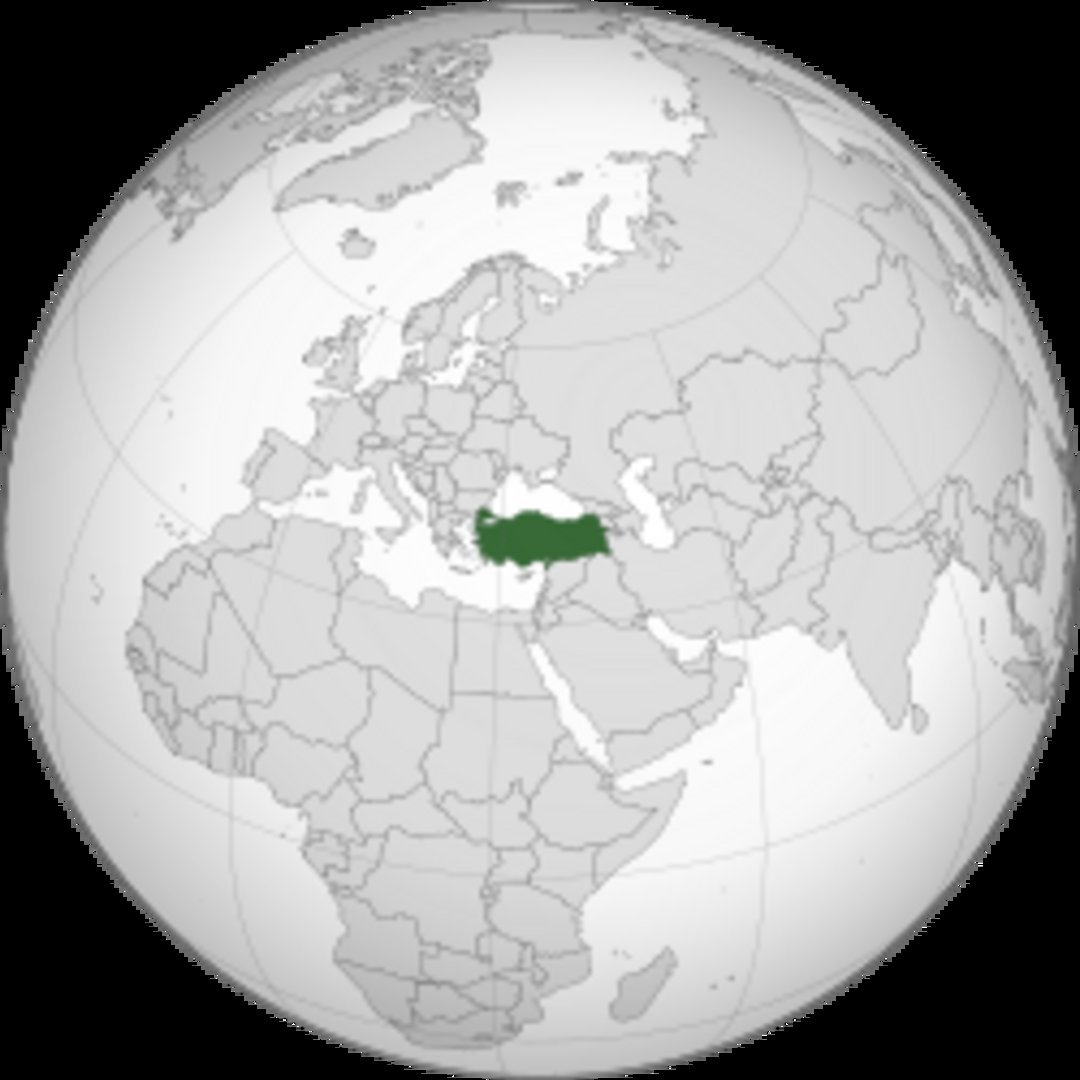
Rare Earth Exchanges' view: The conference highlighted genuine strategic momentum and growing international interest. At the same time, it reinforced our longstanding assessment: Türkiye is building a national rare earth strategy—not yet a commercially proven rare earth supply chain. Investors should distinguish between political ambition and demonstrated industrial capability.
Ankara Becomes a Showcase for Critical Minerals
The MINEX Asia Forum, as reported (opens in a new tab) via LinkedIn by UK-based Arthur Poliakov (opens in a new tab), brought together more than 140 delegates from 18 countries, including representatives from development banks, engineering firms, government agencies, mining companies, and research institutions. Rather than debating whether the world needs new rare earth supply chains, participants focused on the more difficult question: who will successfully build them?
Among the technical presentations, Dr. Hüseyin Çaldırak (opens in a new tab) of TENMAK's Rare Earth Elements Research Institute (opens in a new tab) provided one of the most detailed public updates on the Beylikova project to date. He reiterated the frequently cited resource estimate of approximately 694 million tonnes of ore, containing an estimated 12.5 million tonnes of potential rare earth reserves, while outlining plans for a commercial operation processing roughly 570,000 tonnes of ore annually with projected revenues approaching $220 million.
The Conference Also Highlighted the Missing Pieces
Despite the optimistic tone, many presentations underscored the same challenges Rare Earth Exchanges has consistently identified. Speakers acknowledged that China continues to dominate global rare earth processing and permanent magnet manufacturing, while Beylikova's separation technology remains under development. Financing panels repeatedly emphasized that geology alone does not create a supply chain. Bankable projects require robust metallurgical data, accredited laboratories, engineering expertise, financing, permitting, processing technology, downstream manufacturing, and ultimately customer qualification. Those themes closely mirror REEx's recent assessment of Türkiye's progress.
REEx: Strategy Is Advancing Faster Than Commercial Execution
Our June review concluded that Türkiye has made meaningful strategic progress during the first half of 2026. Energy and Natural Resources Minister Alparslan Bayraktar has elevated Beylikova to the centerpiece of the country's emerging Critical Raw Materials Strategy, with plans to begin construction of an industrial-scale processing facility during 2026.
However, the key commercial milestones have yet to be publicly demonstrated.
Türkiye has not announced sustained commercial rare earth separation, integrated rare earth metals production, master alloy manufacturing, NdFeB permanent magnet production, or binding long-term commercial offtake agreements with global industrial customers. Processing complexity—including the management of thorium-bearing material—remains one of the project's defining technical and regulatory challenges. The discussions in Ankara reinforced rather than contradicted that assessment.
Investors Should Separate Vision from Validation
Perhaps the most important takeaway from MINEX Asia is that Türkiye's ambitions are increasingly attracting support from development banks, engineering firms, and regional partners. That represents meaningful strategic progress.
Yet political commitment, international financing, and conference momentum cannot substitute for commercial execution.
Every successful rare earth project is ultimately judged by the same metrics: metallurgical recoveries, separation efficiency, operating costs, environmental compliance, financing, downstream integration, and years of customer qualification. Those milestones—not conference presentations—determine whether a project becomes part of the global supply chain.
Rare Earth Exchanges Take
MINEX Asia demonstrated that Türkiye has emerged as one of the world's most serious government-led rare earth initiatives outside China. The strategic vision is becoming clearer, institutional backing appears to be strengthening, and international engagement continues to grow.
Our assessment, however, remains unchanged. Beylikova is evolving into one of the most strategically significant long-term rare earth projects outside China, but it has not yet become a commercially validated rare earth supply chain. Until Türkiye demonstrates sustained commercial separation, downstream processing, transparent project economics, and successful customer qualification, investors should view Beylikova as a promising strategic opportunity rather than an established competitor to China's integrated rare earth ecosystem.
Register today: REEx Marketplace™ (opens in a new tab)


0 Comments
No replies yet
Loading new replies...
Moderator
Join the full discussion at the Rare Earth Exchanges Forum →