
Highlights
- U.S. DFC has committed at least $62.8 million to rare earth projects in Madagascar, Malawi, Angola, and South Africa.
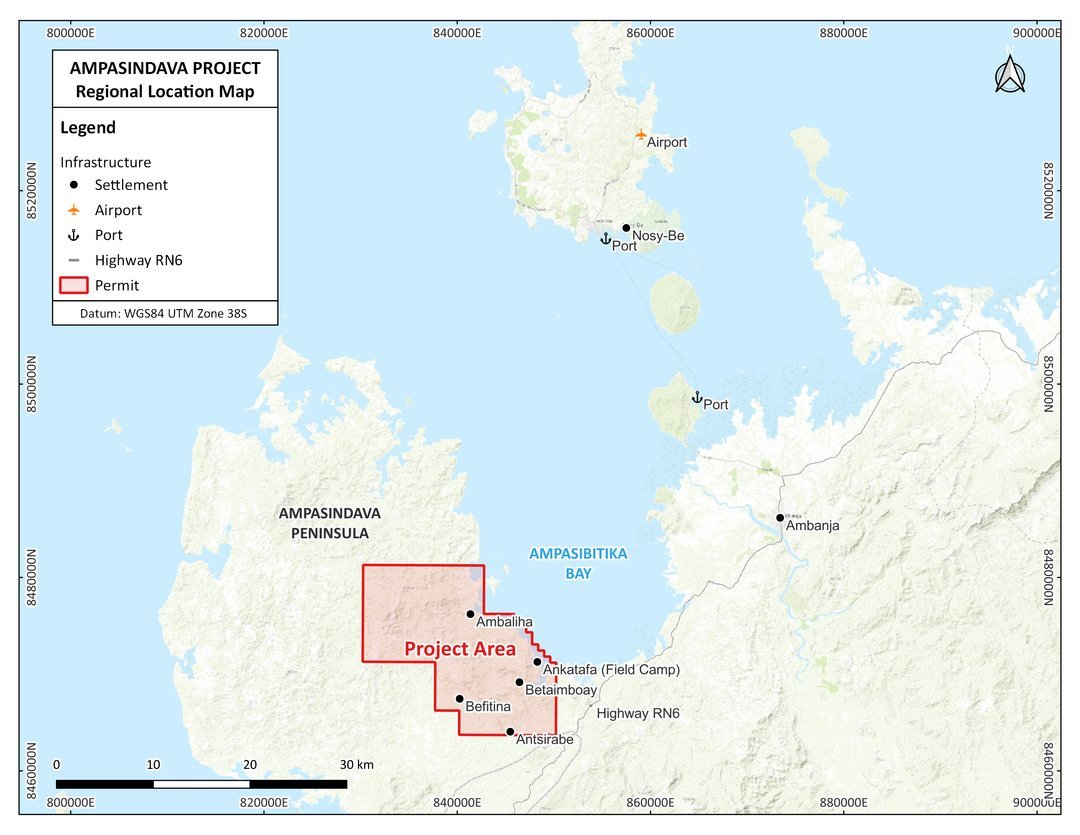
- Harena's Ampasindava project holds a 699-million-tonne resource and targets 4,000 tonnes of TREO annually, including ~1,700 tonnes of NdPr and DyTb oxides.
- DFC's $4.8 million supports project development toward feasibility, not construction or production.
- Harena plans to export mixed rare earth carbonate for processing outside China, raising questions about African value capture.
- China's integrated mine-to-magnet ecosystem remains the benchmark the U.S. and Europe are racing to replicate.
Washington is putting money behind Africa’s rare earth potential—but China still owns the commanding heights. The U.S. International Development Finance Corporation (opens in a new tab) (DFC) has committed at least $62.8 million to rare earth projects in Madagascar, Malawi, Angola, and South Africa, including $4.8 million in project-development support for Harena Rare Earths’ Ampasindava ionic-clay project in Madagascar (opens in a new tab). None of the four projects is producing yet. For investors, that distinction separates strategic ambition from actual supply.
REEx Insight: Great Powers Era 2.0 Reaches Africa
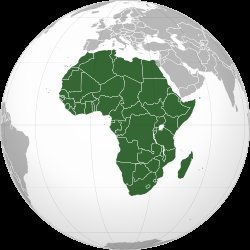
Africa is becoming a chessboard in Great Powers Era 2.0™, but China began playing several moves earlier. America and Europe need African partnerships not simply to secure mines, but to construct mine-to-separation-to-metal-to-magnet supply chains outside China.
Ampasindava illustrates both the opportunity and the challenge. Harena reports a 699-million-tonne resource grading 868 ppm TREO and containing 606,000 tonnes TREO. Its PFS models 4,000 tonnes of TREO production annually, including approximately 1,700 tonnes of NdPr + DyTb oxides, against estimated pre-production capital of $142 million.
DFC’s $4.8 million gets Ampasindava toward feasibility—not construction. And Harena initially plans to produce mixed rare earth carbonate (MREC) for further processing outside China. That diversifies supply, but it does not yet create an integrated African magnet industry.
Expect African governments increasingly to challenge that model. Why export intermediate products while other countries capture the margins from separation, metals, alloys, and magnets? In Great Powers Era 2.0, resource nationalism may increasingly become value-add nationalism.
The Race Has Started—China Has the Lead
DFC capital can de-risk projects private investors hesitate to finance. It cannot by itself recreate China’s integrated ecosystem. The strategic question is increasingly not simply who mines Africa’s minerals—but who processes them.
REEx Connect
| Player | Strategic Role |
|---|---|
| U.S. DFC | U.S. development financier and project de-risker |
| Harena Rare Earths | Developer of Madagascar’s Ampasindava project |
| SGS | Technical contributor to Ampasindava PFS |
| TechMet | Investor backing South Africa’s Phalaborwa project |
| Mkango Resources | Developer advancing Malawi’s Songwe Hill project |
Source: Energy Capital & Power (opens in a new tab)


0 Comments
No replies yet
Loading new replies...
Moderator
Join the full discussion at the Rare Earth Exchanges Forum →