
Highlights
- Estonia and the U.S. are negotiating a rare-earth cooperation agreement covering investment, industrial development, and supply security.
- Neo Performance Materials' Narva plant has entered commercial production with 2,000 tonnes/year sintered-magnet capacity, with expansion to 5,000 tonnes planned.
- Silmet has commissioned heavy rare-earth separation capability for dysprosium and terbium, strengthening Estonia's position in the non-China magnet supply chain.
- Washington appears to be building a network of allied industrial processing nodes rather than simply securing raw ore supplies.
- Feedstock security remains the critical unanswered question, as Estonian plants still depend on traceable supplies of NdPr, Dy, and Tb.
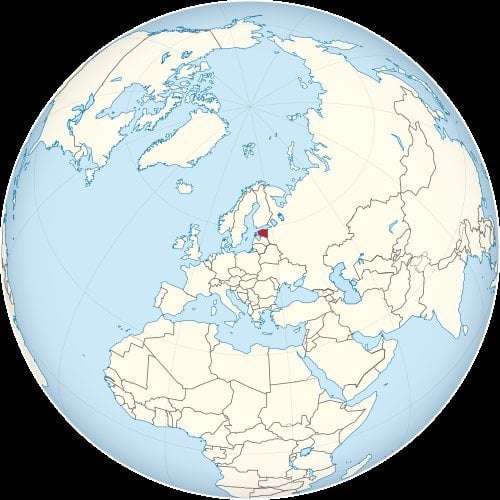
Estonia is not offering Washington a giant rare-earth mine. It is offering something arguably scarcer: an operating European pathway from separated rare earths toward finished magnets. Estonia and the United States are negotiating a rare-earth cooperation agreement aimed at investment, industrial development and supply security, Foreign Minister Margus Tsahkna (opens in a new tab) told Estonia Public Broadcasting (opens in a new tab) (ERR). The timing matters: Neo Performance Materials’ Narva plant (opens in a new tab) has just entered commercial production, while nearby Silmet has commissioned heavy rare-earth separation capability.
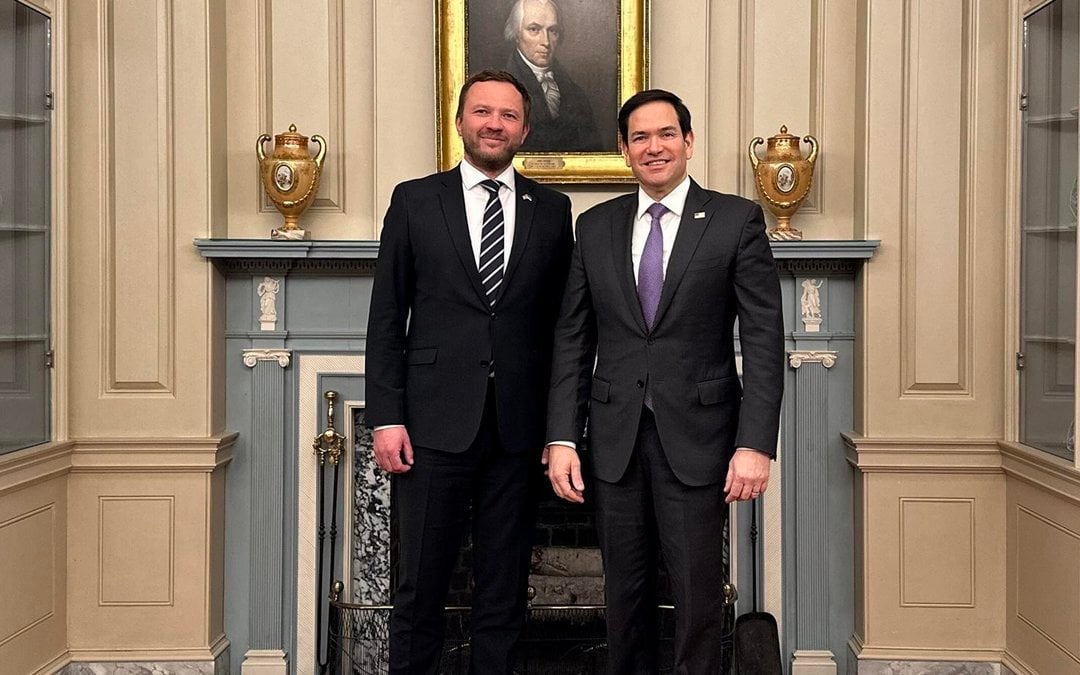
Margus Tsahkna and Marco Rubio on March 25, 2025. Source: Ministry of Foreign Affairs
Source: ERR
REEx Insight — Washington Is Following the Molecules Downstream
The strategic signal is easy to miss. This is industrial diplomacy, not mining diplomacy. Estonia has assembled several links China normally keeps tightly integrated: rare-earth separation at Sillamäe, emerging dysprosium and terbium capability, and 2,000 tonnes/year of initial sintered-magnet capacity at Narva, with expansion toward 5,000 tonnes planned. That makes Estonia disproportionately important. In Great Powers Era 2.0™, geological reserves alone do not create supply security. Conversion capacity does. A U.S.-Estonia framework could potentially connect American capital, allied feedstock, and European processing into an increasingly integrated non-China magnet corridor.
The unanswered question is feedstock. Estonia cannot become strategically independent merely by owning processing equipment; its plants still require secure, traceable supplies of NdPr, Dy, and Tb at commercially sustainable prices.
The Headline Needs One Correction
The Baltic nation’s public broadcasting media’s central thesis holds, but Lithuania’s newly signed deal is broader than a “similar rare-earth agreement.” The official Lithuanian announcement describes a critical-minerals framework covering secure supply, extraction, processing, and investment.
That distinction matters. Washington appears to be constructing a network of allied industrial nodes, not simply hunting ore. That network approach Rare Earth Exchanges® has suggested must become a reality.


0 Comments
No replies yet
Loading new replies...
Moderator
Join the full discussion at the Rare Earth Exchanges Forum →