
Highlights
- Greenland Mines completed its first site visit to the Sarfartoq rare earth project, highlighting 161 historic drill holes and existing camp infrastructure.
- The project's most recent Preliminary Economic Assessment dates to 2011, leaving key questions about capital costs, processing routes, and commercial viability unanswered.
- Neo Performance Materials' role as shareholder and potential offtake partner may be more strategically significant than any geological data from the site.
- Greenland's mining sector faces serious non-geological hurdles including infrastructure gaps, high capital costs, permitting complexity, and competition from established Chinese supply chains.
- Sarfartoq remains a promising project worth monitoring, but investors should not mistake geological potential for a proven solution to Western rare earth supply needs.
Greenland Mines (GRML) has completed its first site visit to the Sarfartoq rare earth project following its proposed deal (opens in a new tab) involving Neo Performance Materials (OTCMKTS: NOPMF). The company highlighted extensive historic drilling, existing camp infrastructure, and plans to update the project's aging economic study. Those are legitimate developments. But investors should be careful not to confuse geological potential with development readiness. Sarfartoq may be one of Greenland's more advanced rare earth projects, yet it remains years from proving it can become a commercially viable producer in one of the world's most challenging mining jurisdictions.
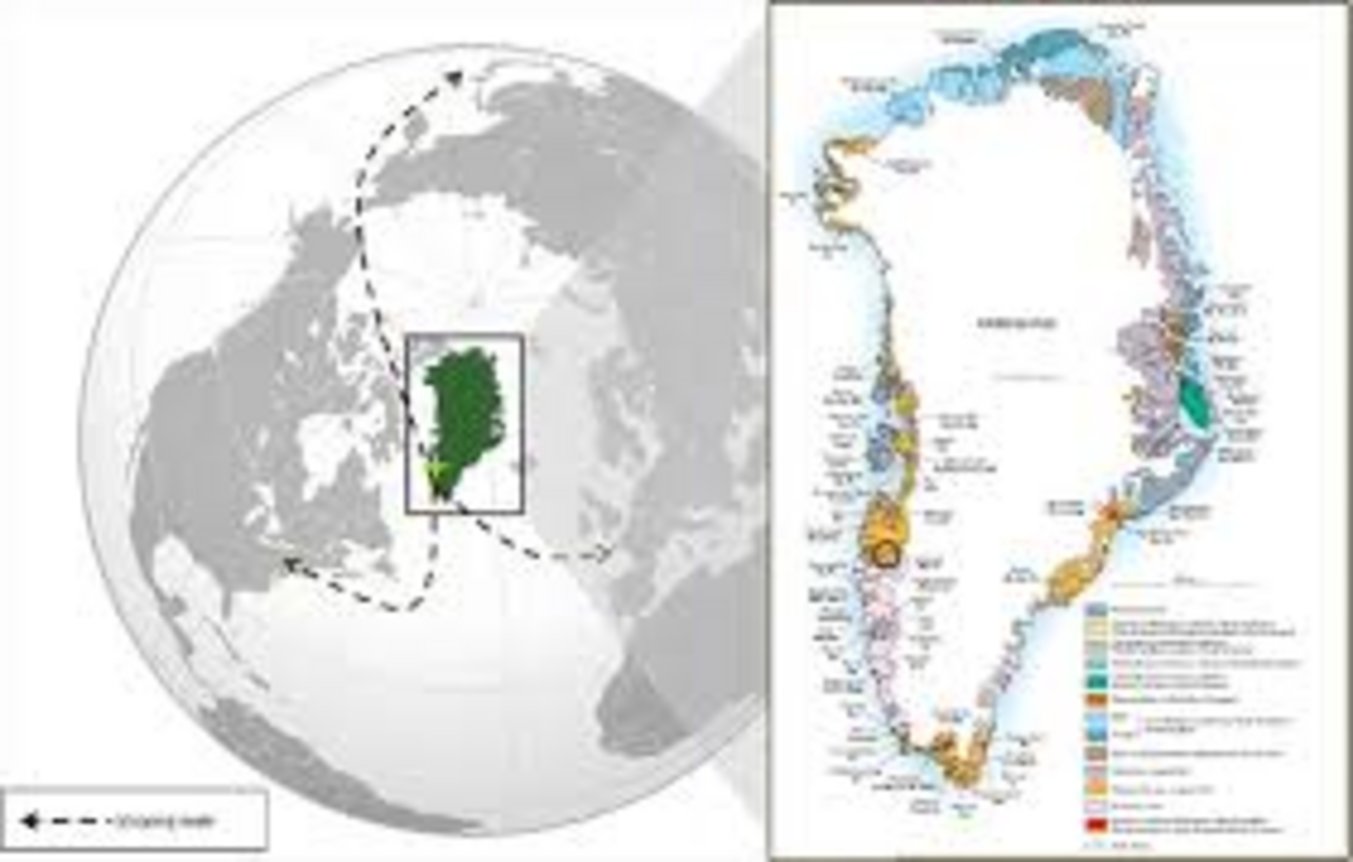
The Greenland Dream
Greenland has become one of the most heavily promoted rare earth jurisdictions in the Western world.
The story is seductive: world-class geology, growing geopolitical importance, Western supply-chain security, and vast undeveloped mineral resources.
The reality is more complicated.
Critics including Rare Earth Observer (opens in a new tab) and other industry veterans have repeatedly argued that Greenland's mining sector remains far from "prime time." Their concern is not only rocks. It is everything else as well: infrastructure, power, labor, permitting, logistics, capital costs, seasonality, environmental scrutiny, and the challenge of competing against Chinese supply chains that already exist.
Those concerns deserve serious consideration.
Boots on the Ground, Not Revenue in the Bank
Greenland Mines highlighted 161 historic drill holes, approximately 35,800 meters of drilling, an existing exploration camp, and two stored drill rigs. Those are tangible assets that reduce exploration risk. What they do not establish is economic viability.
Perhaps the most revealing disclosure is that the project's public Preliminary Economic Assessment dates to 2011. Greenland Mines believes more recent drilling could improve the project's economics through greater scale and potential contributions from dysprosium, terbium, and niobium.
That may ultimately prove true. But investors should recognize that those conclusions have not yet undergone independent public validation.
The Neo Connection Matters More Than the Drill Core
The most interesting part of the announcement may be Neo Performance Materials' continuing involvement as both a shareholder and potential offtake partner. Unlike many speculative rare earth stories, Sarfartoq could potentially connect upstream resource development with an established Western midstream and magnet ecosystem. That strategic linkage may prove more valuable than any single drill hole.
The REEx Take
The press release contains no obvious misinformation, but it clearly emphasizes upside while largely omitting the immense challenges associated with developing a mine in Greenland. The risks here remain quite high.
The key unanswered questions remain:
- What will capital costs be?
- What processing route will be used?
- How competitive will operating costs be?
- Can the project attract financing?
- Can it compete with Chinese material?
- Will Greenland ever become a meaningful rare earth producer at scale?
Sarfartoq is worth watching because of its geology, Neo's involvement, and its historical work base. But until updated economics, permitting progress, financing plans, and processing strategies emerge, it remains a promising project—not a proven solution to Western rare earth dependence. Investors should know the difference.


0 Comments
No replies yet
Loading new replies...
Moderator
Join the full discussion at the Rare Earth Exchanges Forum →