
Highlights
- Myanmar's rebel-held ionic clay deposits rank as the world's #1 heavy rare earth asset, supplying dysprosium and terbium for high-performance permanent magnets.
- China is the decisive outside power shaping Myanmar's civil war, with rare earth exports flowing into Chinese processing facilities amid ongoing conflict.
- Chemically intensive, poorly regulated mining in northern Myanmar is causing severe ecological damage and harming ethnic Kachin communities.
- Whoever controls Myanmar's heavy rare earth districts controls a critical pressure point in the global magnet economy, making this conflict a worldwide rare earth war.
The Red Line offers a serious geopolitical map (opens in a new tab) of Myanmar’s civil war, and its thesis largely aligns with Rare Earth Exchanges®: China is the decisive outside power, the junta survives through coercion and external support (think Russia and China), and Myanmar’s fractured resistance controls resources that now matter globally. But the podcast leaves underdeveloped the most important rare earth insight: Myanmar’s rebel-held heavy rare earth districts are not a side story. They are one of the most strategic mineral chokepoints on earth.
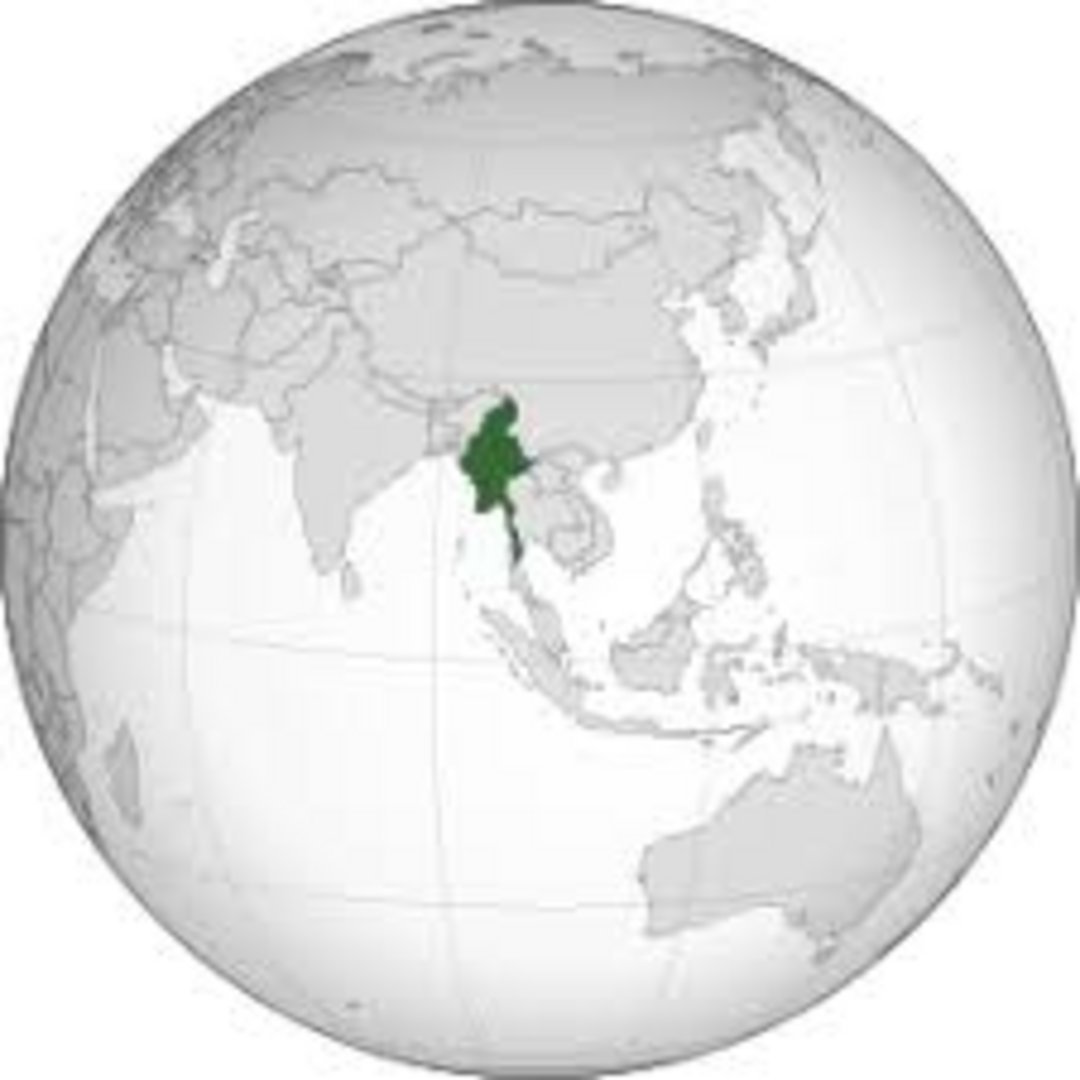
The War Beneath the War
The podcast correctly highlights Operation 1027 (opens in a new tab), China’s pressure on both the junta and ethnic armed groups, and the Kachin Independence Army’s 2024 takeover of townships with major critical mineral mines. It also notes that rare earth exports from Myanmar surged, that material often moves into China for processing, and that Myanmar is especially important for heavy rare earths such as dysprosium. That is important. Rare Earth Exchanges would go further.
REEx View: The #1 Heavy Rare Earth Asset Is Political, Not Corporate
Rare Earth Exchanges has ranked Myanmar’s rebel-controlled heavy rare earth districts as the world’s #1 Heavy Rare Earth Ranking because these ionic clay deposits feed the dysprosium and terbium supply chain that supports high-performance permanent magnets. This is not a conventional mining story. It is a civil war, a China supply chain story, an environmental disaster, and a strategic minerals crisis fused into one.
What the Podcast Misses
The podcast does not mention Rare Earth Exchanges or REEx’s Insights™ ranking. It also does not meaningfully explore the severe ecological damage associated with rare earth extraction in northern Myanmar, including the legacy of chemically intensive, poorly regulated mining. This is having a profound adverse impact on the ethnic communities in this part of Myanmar.
Nor does it deeply address the religious dimension: many Kachin resistance communities are Christian and have faced decades of pressure from a military state backed diplomatically, militarily, or economically by China and Russia.
Rare Earth Exchanges Take
The Red Line gets the geopolitics right. REEx adds the supply chain verdict: whoever controls Myanmar’s heavy rare earth districts controls one of the most important pressure points in the global magnet economy. This is no longer just Myanmar’s war. It is part of the world’s rare earth war. Check out The Red Line (opens in a new tab) and make up your own mind.
Register today: REEx Marketplace™ (opens in a new tab)


0 Comments
No replies yet
Loading new replies...
Moderator
Join the full discussion at the Rare Earth Exchanges Forum →