
Highlights
- Myanmar produced approximately 22,000 metric tons of rare earth oxide equivalent in 2025, with over 290,000 metric tons exported to China between 2017 and 2024.
- In-situ leaching techniques using ammonium sulfate and acidic solutions risk contaminating water supplies and exposing workers and communities to hazardous substances.
- Rare earth revenues are reportedly funding armed actors in Myanmar's conflict zones, yet major due-diligence frameworks largely overlook rare earth supply chains.
- The commentary highlights a critical gap: no comprehensive health studies have been conducted in Myanmar's mining regions, leaving human health impacts poorly understood.
- Western nations seeking alternatives to Chinese rare earth dominance face growing pressure to prioritize supply-chain transparency and responsible sourcing.
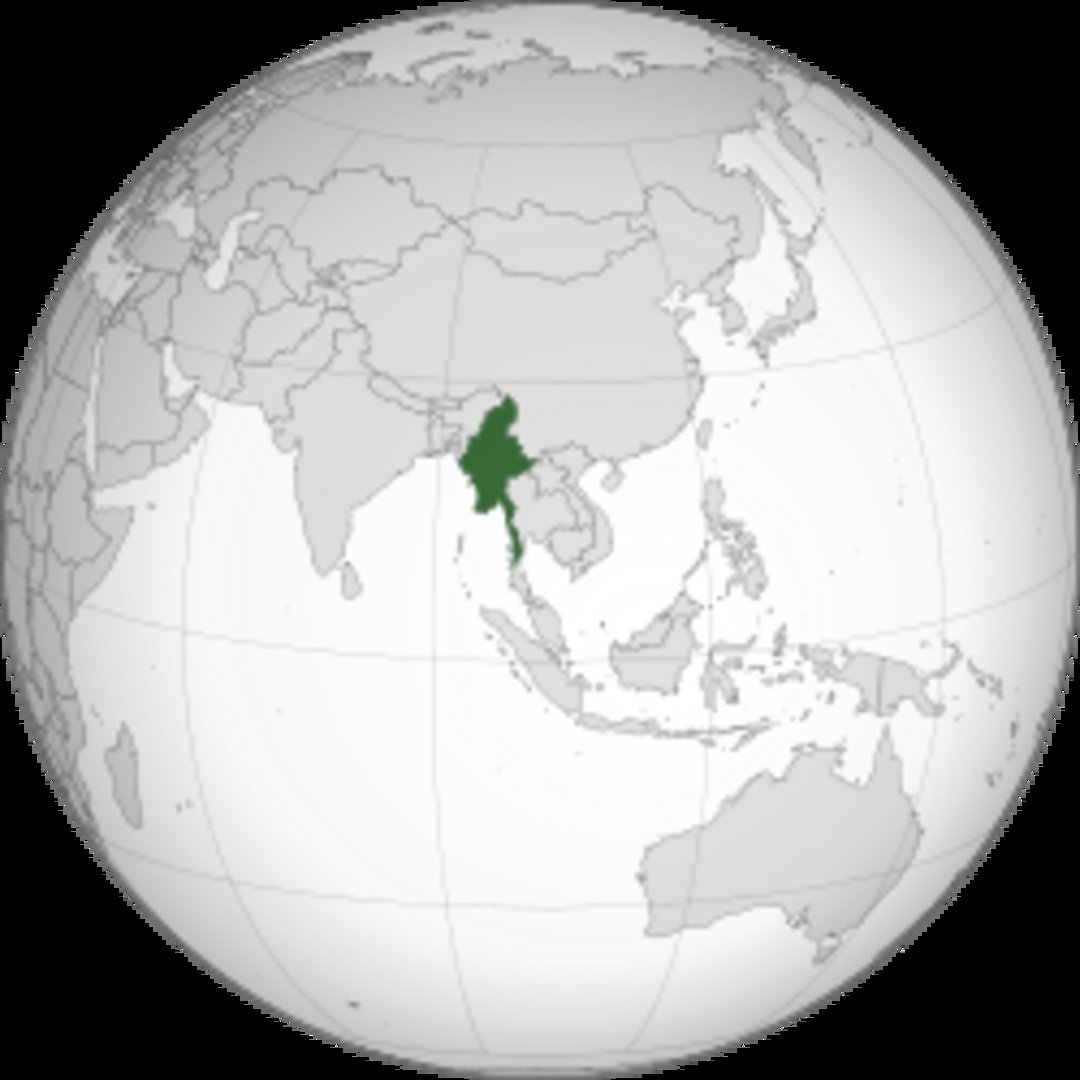
A new commentary (opens in a new tab) published in The Lancet Regional Health – Southeast Asia by Hein Thu of Burma Academy, Yangon, and Minn Khant Kyaw Linn of Chiang Mai University argues that the global race for rare earth elements may be fueling an environmental and public health crisis hidden within Myanmar's ongoing civil conflict. The authors focus on Myanmar's rapidly expanding rare earth mining sector, which has become a critical supplier of ionic clay feedstock used to produce heavy rare earths such as dysprosium and terbium—materials essential for electric vehicles, wind turbines, advanced electronics, robotics, and defense systems. While these minerals support the global energy transition, the authors contend that mining operations are occurring with little meaningful environmental oversight, raising concerns about pollution, worker safety, and community health.
A Commentary, Not a Clinical Study
Importantly, this publication is a policy and public-health commentary rather than original field research. The authors draw upon government reports, environmental investigations, academic literature, and conflict-monitoring data to examine the intersection of rare earth mining, armed conflict, and environmental health.
Their review notes that Myanmar produced approximately 22,000 metric tons of rare earth oxide equivalent in 2025. Between 2017 and 2024, more than 290,000 metric tons of rare earth materials were exported to China, where most downstream separation and processing occurs. Mining activity has expanded dramatically since the 2021 military coup, with nearly 400 mining sites reportedly operating in Kachin State. The Kachin Independence Army (opens in a new tab) and other rebel groups’ rare earth mine holdings are ranked number one on the REEx Insights Heavy Rare Earth Rankings.
The Environmental and Health Concerns
The commentary highlights the widespread use of in-situ leaching, a mining technique that injects ammonium sulfate and acidic solutions into rare earth-bearing clay deposits. Critics argue that poorly controlled use of these chemicals can contaminate water supplies, degrade ecosystems, and expose workers and nearby communities to hazardous substances.
Rare Earth Exchanges® has cultivated multiple contacts in the region and has been told by sources linked to the rebels, on condition of anonymity, of the dire situation both ecologically and in terms of violence from the Junta—the military overlords fighting to maintain control of the Southeast Asian nation.
Because no comprehensive health studies have been conducted in Myanmar's mining regions, the authors rely on evidence from Chinese rare earth-producing areas and broader toxicology research. Existing studies suggest potential associations between rare earth exposure and respiratory, liver, neurological, and reproductive effects. However, much of this evidence comes from laboratory studies, occupational exposure investigations, animal models, and environmental monitoring rather than definitive population-based human research.
Conflict Minerals in All but Name?
Perhaps the paper's most provocative argument is that rare earths have largely escaped the scrutiny applied to traditional conflict minerals such as tin, tantalum, tungsten, and gold. Of course, rare earths are elements and not minerals.
The authors argue that revenues from rare earth mining have become an important funding source for armed actors operating in Myanmar's conflict zones, while major international due-diligence frameworks generally do not specifically address rare earth supply chains.
What Investors and Policymakers Should Know
The commentary raises important questions but does not establish direct causal links between mining activities and specific health outcomes in Myanmar. The absence of epidemiological data remains a major limitation. Nevertheless, the paper underscores a growing reality confronting governments, manufacturers, and investors: the clean-energy transition depends heavily on supply chains that may carry significant environmental, social, and geopolitical risks.
For Rare Earth Exchanges readers, the broader lesson is clear. As Western nations seek alternatives to Chinese rare earth dominance, supply-chain transparency and responsible sourcing are likely to become increasingly important competitive advantages. The challenge ahead is not simply securing enough rare earths—it is securing them responsibly. And Rare Earth Exchanges suggests that, for Myanmar, this means supporting environmental remediation and transformation of the mining operations.
Citation: Thu H, Linn MKK. Rare earth mining in Myanmar: an environmental health crisis hidden by conflict. The Lancet Regional Health – Southeast Asia. 2026;50:100785.


0 Comments
No replies yet
Loading new replies...
Moderator
Join the full discussion at the Rare Earth Exchanges Forum →